Explore the production insights behind James Patterson’s Katt vs. Dogg - Don’t Trust Dogs, with practical guidance on animation, voiceover, editing, and post-production decisions.
Help readers understand the key production choices that bring James Patterson’s Katt vs. Dogg - Don’t Trust Dogs to life and how to apply those lessons to their own video projects.
Framing the Production Challenge: Bringing Katt vs. Dogg to Screen
James Patterson’s middle-grade novel Katt vs. Dogg sets up a playful battle between cats and dogs, a timeless rivalry that demands a sharp, engaging visual and narrative approach. For producers and marketers, the challenge is clear: how do you translate this spirited conflict into a video that captures the hearts of kids and parents alike? This project required a blend of hand-drawn animation, character-driven voiceover, and a tone that balances humor with warmth. Understanding this foundation helps you plan your own branded content with a clear sense of story and audience.
Animation and Illustration: Crafting Characters That Speak
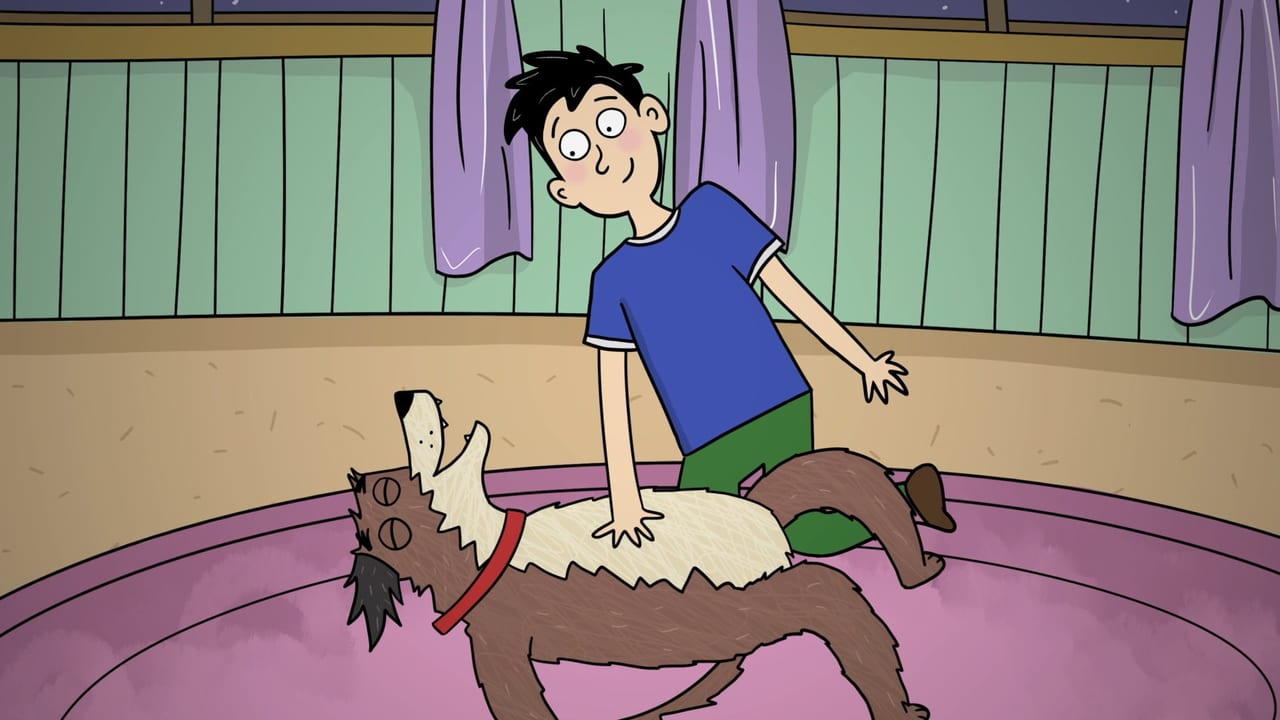
The animation team opted for hand-drawn art to emphasize the cats’ elegance and the dogs’ comedic disarray. This choice wasn’t just aesthetic; it shaped the storytelling by visually reinforcing the characters’ personalities. When deciding on animation style, consider how your visuals support the message. Hand-drawn or frame-by-frame animation can add a personal, artisanal feel, while 3D or motion graphics might suit other brand tones. For Katt vs. Dogg, the handcrafted look invited viewers into a whimsical world that feels authentic and approachable.
Voiceover Direction: Finding the Right Tone and Talent
Emily Payton’s performance as the Spokescat was a standout element, blending charm, wit, and authority. Voiceover casting and direction are critical in shaping how your audience connects emotionally. For children’s content especially, the voice must be engaging without being over-the-top. Recording in-house talent can offer flexibility and control, but professional casting can elevate the final product. Always align voiceover style with your brand’s personality and the story’s emotional arc.
Post-Production: Editing, Sound, and Delivery That Seal the Deal
Post-production is where all elements converge. For Katt vs. Dogg, the edit balanced pacing to maintain kids’ attention, layered sound design to enhance humor, and color grading to unify the hand-drawn look. Early planning is key: define platform specs, caption requirements, versioning needs, and approval workflows upfront to avoid costly rework. ECG’s video post-production services specialize in shaping rough cuts into polished narratives that meet diverse distribution demands—from social media to broadcast.
Practical Takeaways for Your Next Video Project
Katt vs. Dogg demonstrates the power of aligning creative choices with audience and platform needs. Start every project by clarifying who must care, what they know, and what the video must prove. Use references with notes to communicate pacing, tone, and style preferences clearly. Bring your goals, assets, brand rules, and deadlines into early conversations with your production partner. This approach ensures your final video isn’t just finished—it’s effective and memorable.
FAQ
Why choose hand-drawn animation for a children’s video?
Hand-drawn animation adds a personal, tactile quality that can make characters feel more relatable and whimsical, which is especially effective for engaging young audiences.
How do I select the right voiceover talent for my project?
Consider your target audience and the emotional tone you want to convey. For children’s content, voices that are warm, clear, and expressive without being exaggerated often work best. Professional casting or in-house talent can both be viable depending on your needs.
What should I prepare before post-production begins?
Gather all source footage, brand guidelines, platform specifications, approval contacts, music direction, caption requirements, and deadlines. Clear communication of these details prevents delays and ensures the final edit aligns with your goals.
What should a team understand about James Patterson | Katt vs. Dogg - Don’t Trust Dogs?
The useful takeaway is how audience, creative direction, production choices, post-production, approvals, and delivery needs shape the final video plan.
Where should this kind of project start?
Start with the goal, audience, deadline, where the finished piece needs to live, and the practical constraints that will affect creative and production decisions.
How can ECG help with the next step?
ECG can help connect the creative idea to production planning, filming, post-production, versioning, and delivery so the finished work fits the channel and the audience.