ECG Productions
ECG Blog

Business

The Modern Process of Corporate Video Production: A Practical Guide

Understand each stage of corporate video production—from concept to delivery—to make smarter decisions, manage budgets, and streamline your next project.

Updated Jun 28, 20263 min readBusiness
The Process of Corporate Video Production article image for video production planning, budgets, and business decisions.

Business

Budget context for teams trying to scope video without guessing.

Budget Context

Understand what actually drives video production cost.

Real production cost comes from scope, not vague numbers. Crew, schedule, locations, talent, post, versions, and approvals all shape what a smart budget needs to protect.

Keep the old cost lesson, update the scope conversation.

Older budget articles can still be useful because the core tradeoffs have not disappeared: crew, locations, schedule, talent, edit time, versions, usage, and approval rounds still shape what a video really costs.

Do not treat any number as universal.

The real lesson is that cost only makes sense after the variables are named. Crew, locations, schedule, talent, edit time, versions, usage, and approval rounds all need to support what the project has to accomplish.

Bring useful context into the first call.

Bring the goal, audience, deadline, must-have deliverables, distribution channels, examples you like, and any restrictions. That gives ECG enough context to talk about a real path instead of a generic estimate.

Article

Understand each stage of corporate video production—from concept to delivery—to make smarter decisions, manage budgets, and streamline your next project.

This article helps marketing and communications professionals navigate the full corporate video production process to optimize budgets, timelines, and creative outcomes.

Why Knowing the Corporate Video Production Process Matters

Corporate video production isn’t just about hitting record. It’s a carefully orchestrated journey involving strategy, creative development, technical execution, and post-production finesse. Understanding this process upfront helps you set realistic timelines, allocate budget wisely, and avoid common pitfalls that can derail your project. Whether your video is for external marketing or internal communication, knowing what happens behind the scenes empowers you to collaborate effectively and get the best results.

Step 1: Concept Development and Pitching

Every corporate video starts with a clear idea. This phase is about translating your objectives into creative concepts that resonate with your audience. At ECG, we present multiple concept options—ranging from straightforward interviews to dynamic storytelling approaches—each with different production scopes and budget implications. Reviewing these options early helps you prioritize which elements are essential and which can be scaled back, ensuring your investment aligns with your goals.

Step 2: Scriptwriting and Storyboarding

Scriptwriting transforms your concept into a practical blueprint for production. It requires writing that sounds natural when spoken and visually shows your message without over-relying on narration. Expect several rounds of revisions as the script evolves. Parallel to this, storyboarding visualizes each scene, shot by shot, providing a roadmap for the shoot day. Storyboards help everyone—from directors to set designers—understand the creative vision and logistical needs, reducing surprises on set.

Step 3: Production Day – On Set Realities

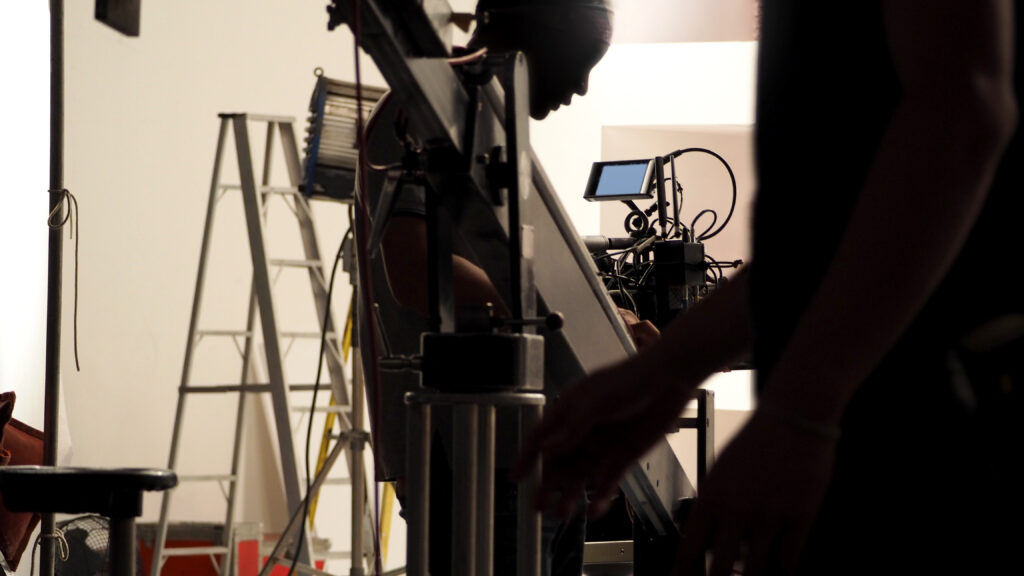
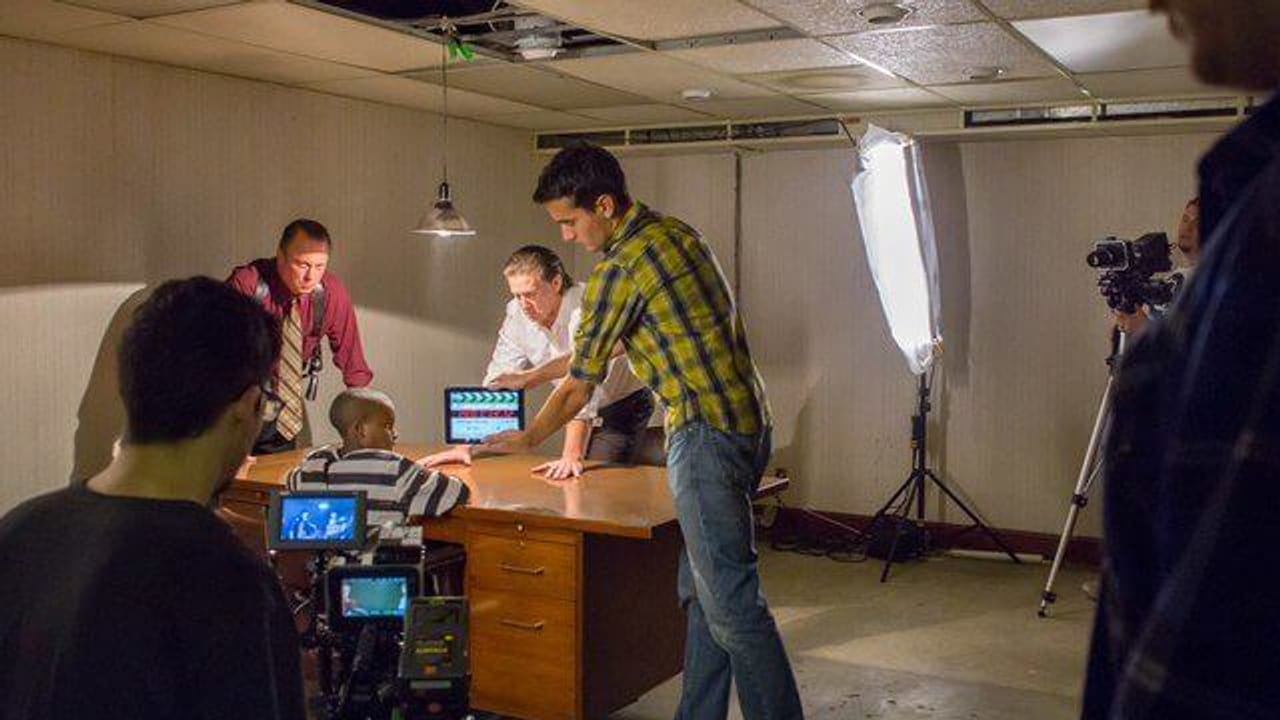
The shoot day is where planning meets action. A professional crew manages lighting, camera setups, sound, and talent to capture your story. Despite detailed prep, flexibility is key—unexpected challenges like weather, technical glitches, or performance tweaks can arise. Trusting the production team’s expertise and maintaining patience ensures a smoother shoot. Remember, this is when your concept comes alive, so stay engaged and enjoy the process.

Step 4: Post-Production – Editing, Graphics, and Final Touches

Post-production is where your footage transforms into a polished video. Editors assemble the best takes, refine pacing, and balance audio. Meanwhile, graphics teams add animations, kinetic text, and branded elements that enhance storytelling and viewer engagement. This phase often involves multiple review cycles with your team to fine-tune the video until it aligns perfectly with your vision. Clear feedback and timely approvals here are critical to meet your delivery deadlines.

Step 5: Delivery, Distribution, and Rights Management

Once finalized, your video is prepared for its intended platforms—whether that’s social media, internal portals, or broadcast. Proper formatting and encoding ensure optimal playback quality. Additionally, securing all usage rights and clearances during production prevents legal complications down the road. Planning distribution early in the process helps tailor the video’s technical specs and messaging for maximum impact.

FAQ

How long does corporate video production typically take?

Production timelines vary depending on the project’s complexity, but from concept to final delivery, expect anywhere from 4 to 12 weeks. Early planning and clear communication can help keep your project on schedule.

What factors influence the cost of corporate video production?

Key cost drivers include the number of shoot days, talent fees, location expenses, graphics complexity, and post-production requirements. Reviewing multiple concept pitches with different scopes can help you balance quality and budget.

Can scripts be changed on the day of the shoot?

Yes, it’s common to adjust scripts on set based on how lines sound aloud or how scenes flow. Flexibility during production helps capture the most natural and effective performance.

What should a team understand about The Process of Corporate Video Production?

The useful takeaway is how audience, creative direction, production choices, post-production, approvals, and delivery needs shape the final video plan.

Where should this kind of project start?

Start with the goal, audience, deadline, where the finished piece needs to live, and the practical constraints that will affect creative and production decisions.

How can ECG help with the next step?

ECG can help connect the creative idea to production planning, filming, post-production, versioning, and delivery so the finished work fits the channel and the audience.


Related ECG Portfolio Video

See the article idea in finished ECG work.

Use Georgia GOAL Scholarship Program Brand Video as an ECG-produced reference for The Modern Process of Corporate Video Production: A Practical Guide. Compare the audience, tone, distribution plan, and production choices before turning the article into a creative brief.

VimeoEducationRelated Corporate workRelated Corporate Video Production work
Open the project

Vimeo

Georgia GOAL Scholarship Program Brand Video

Education-focused brand storytelling for Georgia GOAL, built to make a scholarship program, its participating schools, and its family impact easier to understand at a human level.

Visual Context

Connect the article to the kind of work people can actually picture.

Articles perform better when readers can see what the thinking points toward. This visual break connects the topic to ECG production, post-production, real examples, and the next practical decision instead of leaving the page as a long read with no visual rhythm.

See related work

Article FAQ

Practical answers for the production decision.

These answers add practical context for the decisions that usually sit behind business work: scope, timing, creative direction, production approach, and what the finished piece needs to accomplish.

How long does corporate video production typically take?

Production timelines vary depending on the project’s complexity, but from concept to final delivery, expect anywhere from 4 to 12 weeks. Early planning and clear communication can help keep your project on schedule.

What factors influence the cost of corporate video production?

Key cost drivers include the number of shoot days, talent fees, location expenses, graphics complexity, and post-production requirements. Reviewing multiple concept pitches with different scopes can help you balance quality and budget.

Can scripts be changed on the day of the shoot?

Yes, it’s common to adjust scripts on set based on how lines sound aloud or how scenes flow. Flexibility during production helps capture the most natural and effective performance.

What should a team understand about The Process of Corporate Video Production?

The useful takeaway is how audience, creative direction, production choices, post-production, approvals, and delivery needs shape the final video plan.

Where should this kind of project start?

Start with the goal, audience, deadline, where the finished piece needs to live, and the practical constraints that will affect creative and production decisions.

How can ECG help with the next step?

ECG can help connect the creative idea to production planning, filming, post-production, versioning, and delivery so the finished work fits the channel and the audience.

Next Step

Connect the article to ECG services and work.

When an article sounds like your project, compare the relevant service path and nearby work before you make a production decision.

Read Next

Keep learning before you decide what to make.

Back to the blog

Keep Exploring

More ECG pages related to The Modern Process of Corporate Video Production: A Practical Guide.

Related services, examples, and deeper reads add context around the creative choices, production decisions, and tradeoffs behind this topic.

Next step

Ready to talk through the project?

When this starts to sound like your situation, bring ECG the goal and the constraints.

Share This Article

Send this read to the team before the next production call.

Share the article, project, or service page with a teammate, client, producer, or stakeholder who needs the context before the next decision.