Discover how ECG Productions planned and captured Victoria Stilwell’s interview for the documentary 'Dr. Good: A Pet Rescue Mission,' with practical insights on documentary
This article helps readers understand the production steps and decisions involved in capturing expert interviews for impactful documentary storytelling.
Planning a Purpose-Driven Documentary Shoot
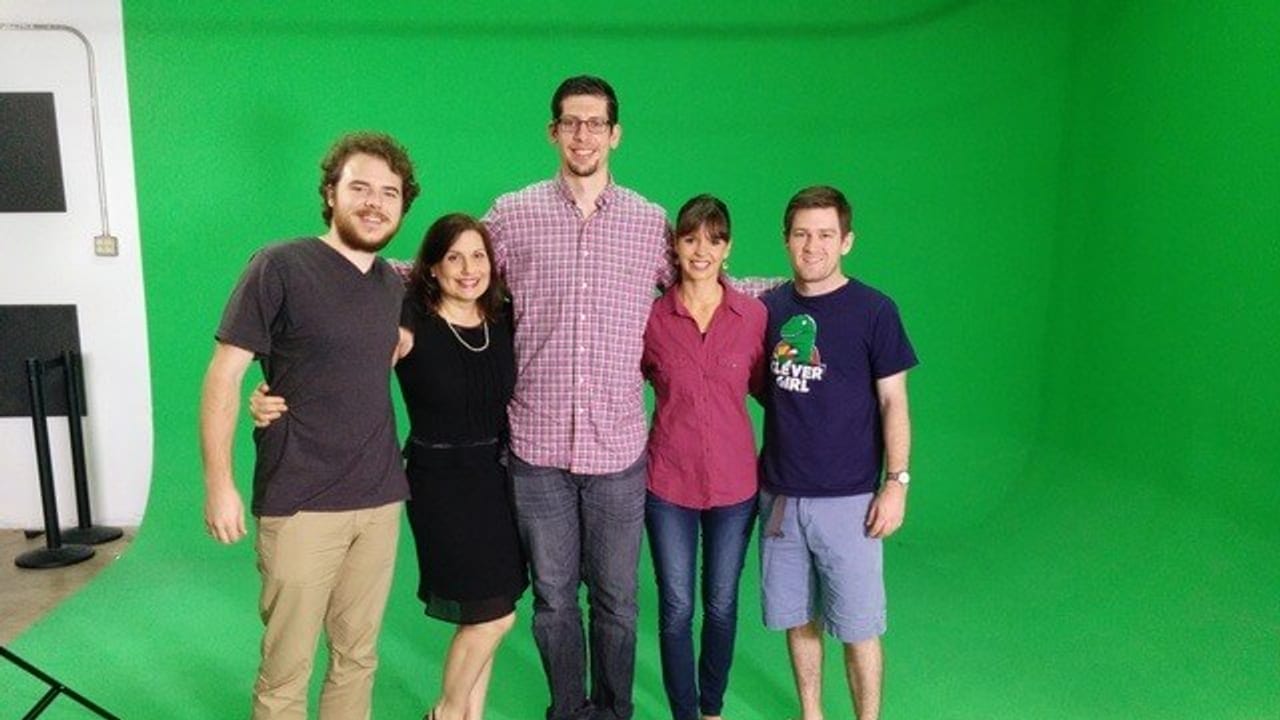
When Victoria Stilwell, renowned animal trainer and advocate, joined ECG Productions for an interview on 'Dr. Good: A Pet Rescue Mission,' careful pre-production planning was essential. Our team focused on aligning the shoot’s logistics with the documentary’s mission: highlighting solutions to pet homelessness. Scheduling, location scouting, and technical prep ensured that Victoria’s expertise could be captured authentically and without distraction. For any documentary, especially one centered on a passionate subject like animal rescue, pre-production must balance creative vision with practical constraints to protect the integrity of the message.
Capturing Authentic Expert Interviews on Set
On the day of filming, our crew prioritized creating a comfortable environment for Victoria Stilwell to share her insights naturally. Lighting was designed to be flattering yet unobtrusive, while multiple camera angles captured both close-up expressions and wider contextual shots. Sound recording used lavalier microphones to ensure clear, crisp audio free from ambient noise. The production team remained flexible, adapting to spontaneous moments that added emotional depth. This approach is vital when filming experts whose passion and personality drive the story forward.
Protecting and Managing Media for Post-Production
Immediately after the shoot, all footage and audio were securely backed up and logged to prevent data loss. Metadata tagging helped the editorial team quickly locate key moments during the edit. Protecting media assets is a critical step that safeguards months of work and ensures a smooth post-production workflow. For projects like 'Dr. Good,' where the interview forms the documentary’s backbone, media management is as important as the shoot itself.
Crafting a Narrative that Drives Change in Post-Production
In post-production, the editorial team shaped Victoria Stilwell’s interview into a compelling narrative that supports the documentary’s call to action. Color grading enhanced the warmth and authenticity of the footage, while sound mixing balanced voice clarity with subtle ambient soundscapes. Graphics and lower thirds were added to introduce Victoria and reinforce key points. This phase transforms raw footage into a polished piece that resonates with audiences and motivates behavioral change—exactly what the project aimed to achieve.
Rights, Approvals, and Distribution Considerations
Before final delivery, ECG secured all necessary rights and clearances for Victoria Stilwell’s appearance and the documentary content. Approval workflows involved both the talent and the client to ensure messaging accuracy and brand alignment. Finally, distribution strategies were planned to maximize reach—leveraging online platforms, social media, and targeted screenings. Understanding these legal and strategic steps is crucial for any production that seeks to influence public attitudes or policy.
FAQ
How does ECG prepare for filming interviews with high-profile experts like Victoria Stilwell?
ECG emphasizes thorough pre-production planning, including scheduling, location scouting, and technical setup, to create a comfortable environment that captures authentic and insightful interviews.
What technical considerations ensure high-quality audio and video for documentary interviews?
Using multiple cameras for varied shots, professional lighting setups, and lavalier microphones for clear sound are standard practices to produce polished and engaging interview footage.
How does ECG manage media after a shoot to support efficient post-production?
All footage and audio are immediately backed up and logged with detailed metadata, protecting assets and enabling editors to access key moments quickly during the editing process.
What should a team understand about Victoria Stilwell Visits ECG?
The useful takeaway is how audience, creative direction, production choices, post-production, approvals, and delivery needs shape the final video plan.
Where should this kind of project start?
Start with the goal, audience, deadline, where the finished piece needs to live, and the practical constraints that will affect creative and production decisions.
How can ECG help with the next step?
ECG can help connect the creative idea to production planning, filming, post-production, versioning, and delivery so the finished work fits the channel and the audience.