Channels change. Audience attention does not get easier.
Platform tactics evolve, but the useful question stays the same: what the viewer needs to understand, feel, remember, or do after watching.
Strategy
Discover how to integrate VR into your brand strategy with practical production insights, standout examples, and tips for immersive, memorable VR content that drives engagement
 Written byJordan NowlinProducer & Writer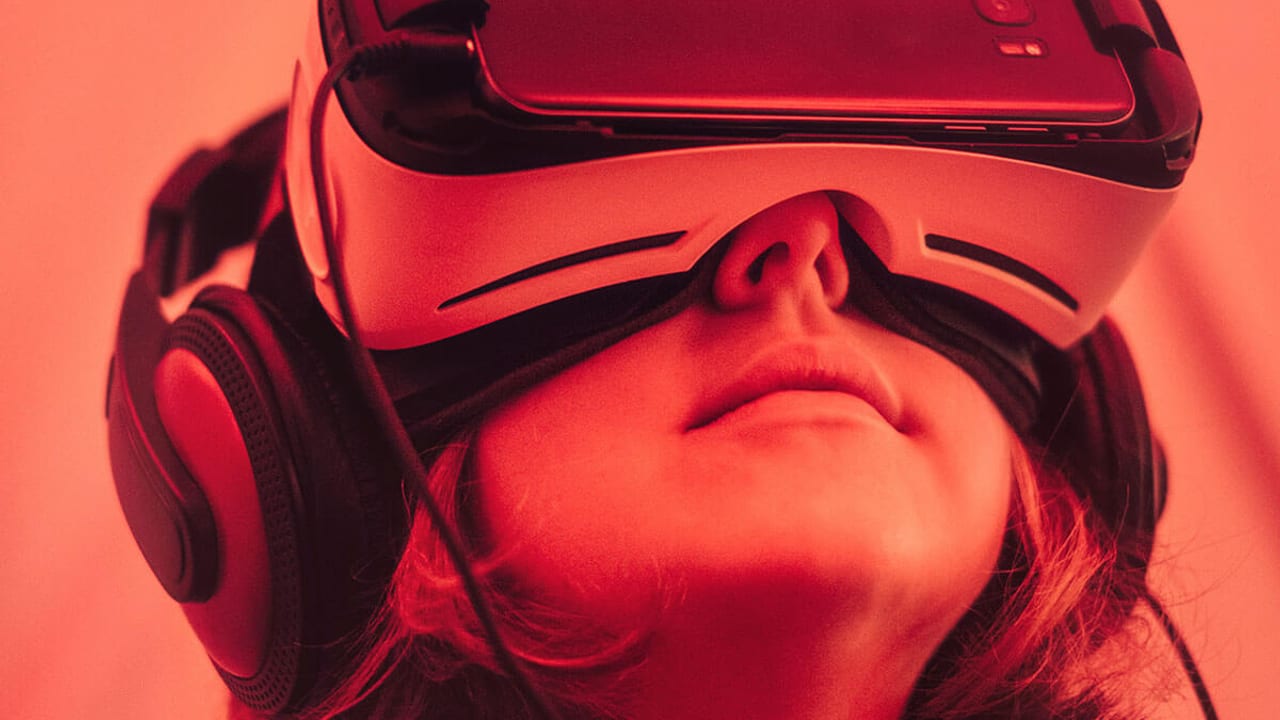
Strategy
Marketing video guidance for teams planning content that has to perform.
Marketing Context
A strong marketing video is not just a finished file. It needs a clear audience, a useful hook, the right versions, smart placement, and a reason for someone to care after the first few seconds.
Platform tactics evolve, but the useful question stays the same: what the viewer needs to understand, feel, remember, or do after watching.
Marketing video usually needs cutdowns, thumbnails, captions, channel-specific openings, paid-media crops, landing-page context, and a path from awareness into action.
Before production, connect the concept to where it will run: website, paid social, sales, broadcast, CTV, email, events, internal launch, or campaign support.
Article
Discover how to integrate VR into your brand strategy with practical production insights, standout examples, and tips for immersive, memorable VR content that drives engagement
Helps marketers and producers decide how to plan and execute VR-branded content that connects audiences and elevates brand storytelling.
Virtual Reality isn’t just a flashy tech trend—it’s a powerful storytelling tool that can deeply engage your audience. When a viewer dons a VR headset, they’re transported into a fully immersive environment, cutting out distractions and focusing their attention entirely on your brand’s message. This intense engagement helps build emotional connections that traditional video struggles to achieve. But VR production requires a clear strategy upfront: understanding your audience, crafting an experience that fits your brand, and planning for the unique technical demands of VR filming and post-production. Without this, the risk is a costly, gimmicky project that fails to deliver lasting impact.
From our experience producing VR projects, successful VR branded content hits four key marks: Immersive: The headset blocks out the outside world, so every visual and sound cue pulls the viewer deeper into the story. Innovative: VR is still fresh and exciting, so using it signals your brand is forward-thinking and tech-savvy. Impressive: VR’s spatial memory effect means viewers remember the experience—and your brand—long after the headset comes off. Intense: First-person perspectives and interactive elements heighten emotional engagement, making your message resonate on a personal level. Balancing these pillars during pre-production—storyboarding for 360-degree visuals, planning interactive beats, and ensuring technical feasibility—sets the foundation for VR success.
Looking for inspiration? Two standout VR campaigns demonstrate what’s possible when production and strategy align: The New York Times’ “Displaced” uses VR to place viewers in the shoes of children affected by war, creating an empathetic, hard-hitting experience that elevated the newspaper’s storytelling reputation. Marriott’s “The Teleporter” combined VR headsets with physical effects like wind and heat to ‘transport’ users to luxury hotel locations, blending immersive tech with real-world sensations to create a memorable brand moment. Both campaigns required meticulous production planning—integrating VR filming, environmental effects, and user experience design—to deliver their impact. These examples highlight how VR can amplify brand narratives when executed thoughtfully.
Producing VR content demands specialized equipment, expert crews, and a production workflow that differs from traditional video. Cameras capture 360-degree footage, requiring careful choreography to avoid crew or equipment appearing in the shot. Audio must be spatially recorded to maintain immersion. Post-production involves stitching footage seamlessly and color grading for VR displays. Additionally, VR experiences often require custom software development for interactivity and distribution platforms optimized for headset playback. Budgeting for these factors upfront avoids surprises and ensures your project meets quality and user experience standards.
At ECG, we guide brands through the entire VR production journey—from strategic concept development to final delivery. Our team understands the nuances of immersive storytelling and the technical demands of VR production, ensuring your project connects emotionally and performs flawlessly across platforms. Whether you’re exploring VR for the first time or scaling an existing campaign, we tailor solutions that fit your brand goals and audience. Explore our Branded Content Production and Video Marketing services for VR expertise, review our Portfolio for past VR work, or contact us directly at Contact to start your VR journey.
VR production requires specialized 360-degree cameras, spatial audio recording, and careful choreography to avoid capturing crew or equipment. Post-production involves stitching footage and optimizing for VR displays, which adds complexity and cost compared to traditional video.
By fully immersing viewers in a controlled environment, VR heightens focus and emotional connection. Its spatial memory effects help audiences remember the experience and brand message longer, boosting engagement and loyalty.
VR projects typically require higher budgets due to specialized equipment, longer production and post-production workflows, software development for interactivity, and distribution platform optimization. Planning and budgeting for these factors early helps avoid costly overruns.
The useful takeaway is how audience, creative direction, production choices, post-production, approvals, and delivery needs shape the final video plan.
Start with the goal, audience, deadline, where the finished piece needs to live, and the practical constraints that will affect creative and production decisions.
ECG can help connect the creative idea to production planning, filming, post-production, versioning, and delivery so the finished work fits the channel and the audience.
Visual Context
Articles perform better when readers can see what the thinking points toward. This visual break connects the topic to ECG production, post-production, real examples, and the next practical decision instead of leaving the page as a long read with no visual rhythm.
See related workArticle FAQ
These answers add practical context for the decisions that usually sit behind strategy work: scope, timing, creative direction, production approach, and what the finished piece needs to accomplish.
VR production requires specialized 360-degree cameras, spatial audio recording, and careful choreography to avoid capturing crew or equipment. Post-production involves stitching footage and optimizing for VR displays, which adds complexity and cost compared to traditional video.
By fully immersing viewers in a controlled environment, VR heightens focus and emotional connection. Its spatial memory effects help audiences remember the experience and brand message longer, boosting engagement and loyalty.
VR projects typically require higher budgets due to specialized equipment, longer production and post-production workflows, software development for interactivity, and distribution platform optimization. Planning and budgeting for these factors early helps avoid costly overruns.
The useful takeaway is how audience, creative direction, production choices, post-production, approvals, and delivery needs shape the final video plan.
Start with the goal, audience, deadline, where the finished piece needs to live, and the practical constraints that will affect creative and production decisions.
ECG can help connect the creative idea to production planning, filming, post-production, versioning, and delivery so the finished work fits the channel and the audience.
Next Step
When an article sounds like your project, compare the relevant service path and nearby work before you make a production decision.
Read Next
Strategy
Strategy
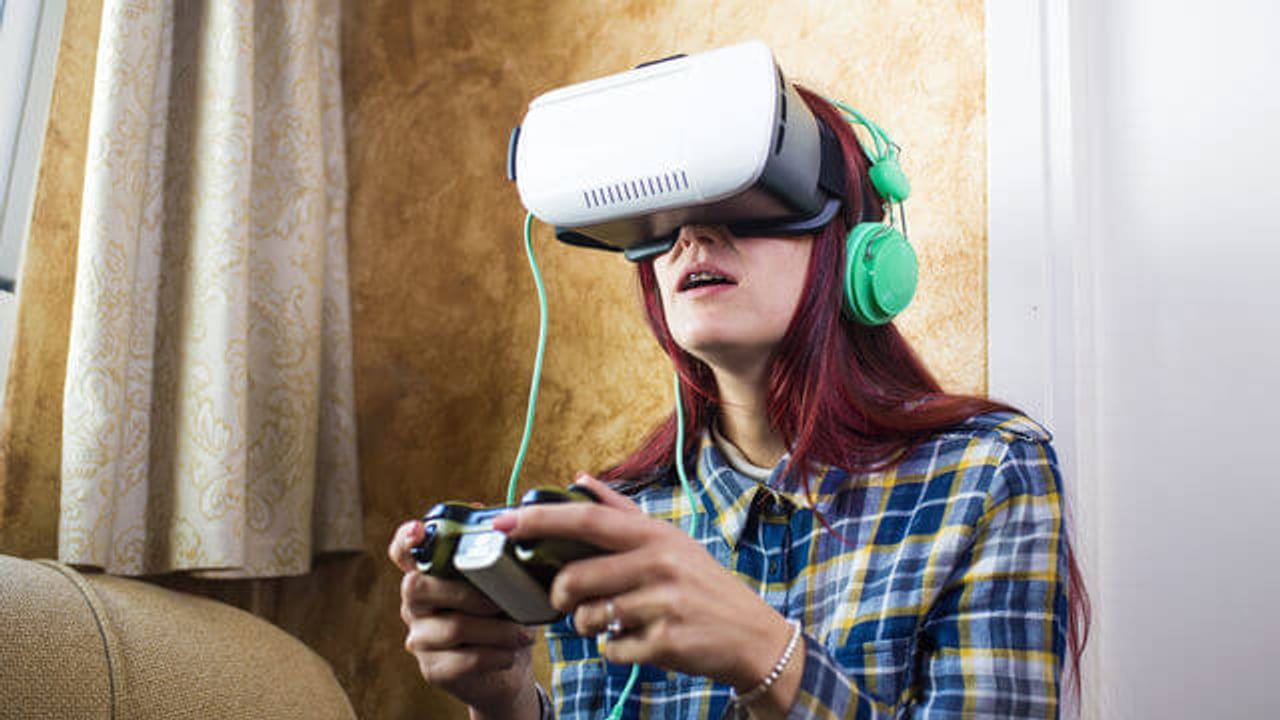
Where does Virtual Reality Fit in Production is a strategy read for teams deciding who the video needs to reach, what it needs to say, where it will live, and what has to be clear before production dollars move.
Read article
Strategy
Strategy
Georgia Goal Scholarship Program Brand Video is a strategy read for teams deciding who the video needs to reach, what it needs to say, where it will live, and what has to be clear before production dollars move.
Read article
Strategy
Strategy
Why High-Quality Video Production Matters for Your Brand is a strategy read for teams deciding who the video needs to reach, what it needs to say, where it will live, and what has to be clear before production dollars move.
Read article
Strategy
Strategy
The Essential Elements of a Powerful Brand Video is a strategy read for teams deciding who the video needs to reach, what it needs to say, where it will live, and what has to be clear before production dollars move.
Read article
Strategy
Brand
How story-led video earns attention when audiences can feel the difference between a campaign and a pitch.
Read article
Strategy
Strategy
Mastering YouTube SEO for Sky-High Rankings and Unmatched Engagement is a strategy read for teams deciding who the video needs to reach, what it needs to say, where it will live, and what has to be clear before production dollars move.
Read articleKeep Exploring
Related services, examples, and deeper reads add context around the creative choices, production decisions, and tradeoffs behind this topic.
Services
These service paths show where the production, post, animation, or package conversation usually goes next.
Service
The Brand Starter Kit helps a growing company create the core video assets people look for before they trust you: a clear brand story, credible human proof, and prac...
Open pageService
AI video creation support for teams that want to use generative tools responsibly without sacrificing strategy, production judgment, brand trust, or visual quality.
Open pageService
Event video production for teams that need the story, energy, speakers, audience, and proof of a live moment captured for people who were not in the room.
Open pageService
Social Media Video Services from ECG Productions connects creative, production, post, and platform strategy around a campaign or brand goal.
Open pageWork
These examples show what the service, article, or category can look like in finished work.
Branded Content
Hello My Name Is… | A Musical Exploration is story-led brand work, which means the finished piece has to show more than polish. The important read is how the brand,...
Open pageBranded Content
Wyclef Jean and more Talent | Hello My Name Is… Episode 6 is story-led brand work, which means the finished piece has to show more than polish. The important read is...
Open pageBranded Content
Coco Jones, and more Talent | Hello My Name Is… Episode 5 is story-led brand work, which means the finished piece has to show more than polish. The important read is...
Open pageRelated articles
These pieces add context around process, budget, creative choices, common mistakes, and what to ask next.
Music And Brand Feel
Music is not background decoration. It controls pace, tension, memory, and whether a brand video feels believable before the viewer can explain why.
Open pageStrategy
How to Effectively Tell Your Brand's Story Through Video is a strategy read for teams deciding who the video needs to reach, what it needs to say, where it will live...
Open pageProduction
How to Make a TV Commercial That Stands Out | Strategy + Creative Tips is a production read about what needs to be planned, captured, protected, and handed to post s...
Open pageProduction
Branded Video Content: Why your Marketing Strategy needs it is a production read about what needs to be planned, captured, protected, and handed to post so the finis...
Open pageNext step
When this starts to sound like your situation, bring ECG the goal and the constraints.
Share This Article
Share the article, project, or service page with a teammate, client, producer, or stakeholder who needs the context before the next decision.