Channels change. Audience attention does not get easier.
Platform tactics evolve, but the useful question stays the same: what the viewer needs to understand, feel, remember, or do after watching.
Strategy
Explore how virtual reality integrates into video production workflows, from strategy and pre-production to delivery, with practical examples and updated guidance for brands and
 Written byJason MarracciniPartner & President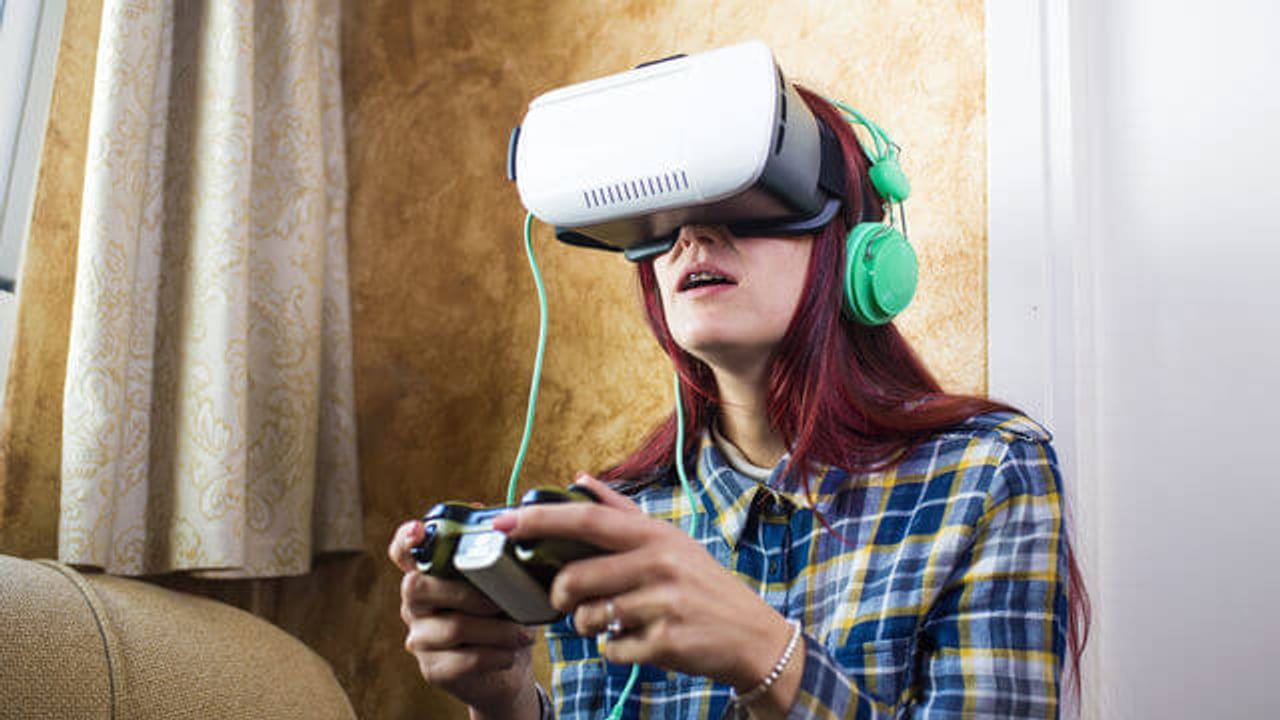
Strategy
Marketing video guidance for teams planning content that has to perform.
Marketing Context
A strong marketing video is not just a finished file. It needs a clear audience, a useful hook, the right versions, smart placement, and a reason for someone to care after the first few seconds.
Platform tactics evolve, but the useful question stays the same: what the viewer needs to understand, feel, remember, or do after watching.
Marketing video usually needs cutdowns, thumbnails, captions, channel-specific openings, paid-media crops, landing-page context, and a path from awareness into action.
Before production, connect the concept to where it will run: website, paid social, sales, broadcast, CTV, email, events, internal launch, or campaign support.
Article
Explore how virtual reality integrates into video production workflows, from strategy and pre-production to delivery, with practical examples and updated guidance for brands and
Help readers decide when and how to incorporate virtual reality into their video production projects for effective storytelling and audience engagement.
Virtual reality (VR) is no longer just a futuristic concept—it's a practical tool that can enhance storytelling and audience engagement when used thoughtfully. However, VR’s place in production isn’t about replacing traditional video but complementing it. Brands and agencies need to assess whether VR’s immersive capabilities align with their creative goals, target audience, and distribution channels before committing budget and resources.
Start with clear objectives: Are you aiming to create an immersive brand experience, a training simulation, or an interactive product demo? VR projects demand more upfront planning than standard video, especially around user interactivity and technical requirements. Consider your audience’s access to VR hardware and comfort with immersive content. Early collaboration between strategy, creative, and production teams ensures VR fits seamlessly into your overall campaign and distribution plan.
VR production requires specialized pre-production steps, including storyboarding for 360° environments and planning camera rigs or 3D scene setups. Live-action VR involves multi-camera arrays and stitching workflows, while CG VR relies on 3D modeling and rendering techniques such as stereoscopic latlong images. Audio design is crucial: spatial audio enhances immersion and guides viewer attention. Production teams need expertise in VR-specific tools and workflows to manage these complexities efficiently.
Editing VR content differs significantly from traditional video. Editors work with spherical footage and must maintain spatial continuity to prevent viewer discomfort. Color grading and effects must account for the 360° field of view. Metadata tagging is essential so platforms recognize the content as VR and enable proper playback. Delivery platforms range from mobile VR headsets to web-based 360° players, each with unique formatting and compression requirements. Plan for testing across devices to ensure a smooth viewer experience.
VR shines in scenarios where immersion and interactivity add clear value: virtual tours, experiential marketing, product demos, and training simulations. However, it’s not a fit for every project. VR can cause motion sickness if poorly executed, and audience reach is limited by hardware adoption. For many brands, 360° video or interactive web content may offer a better balance of engagement and accessibility. Assess your goals, budget, and audience before deciding to produce VR content.
Projects that require immersive experiences like virtual tours, experiential marketing, product demos, and training simulations benefit most from VR production because they leverage interactivity and spatial storytelling.
VR production involves capturing or creating 360° environments, planning for user interactivity, working with specialized camera rigs or 3D software, spatial audio design, and editing spherical footage, all of which require different workflows and technical expertise compared to traditional video.
Consider your target audience’s access to VR hardware, your project’s goals for immersion and interactivity, budget for specialized production and post-production, and distribution platforms to ensure your VR content will be effective and accessible.
The useful takeaway is how audience, creative direction, production choices, post-production, approvals, and delivery needs shape the final video plan.
Start with the goal, audience, deadline, where the finished piece needs to live, and the practical constraints that will affect creative and production decisions.
ECG can help connect the creative idea to production planning, filming, post-production, versioning, and delivery so the finished work fits the channel and the audience.
Visual Context
Articles perform better when readers can see what the thinking points toward. This visual break connects the topic to ECG production, post-production, real examples, and the next practical decision instead of leaving the page as a long read with no visual rhythm.
See related workArticle FAQ
These answers add practical context for the decisions that usually sit behind strategy work: scope, timing, creative direction, production approach, and what the finished piece needs to accomplish.
Projects that require immersive experiences like virtual tours, experiential marketing, product demos, and training simulations benefit most from VR production because they leverage interactivity and spatial storytelling.
VR production involves capturing or creating 360° environments, planning for user interactivity, working with specialized camera rigs or 3D software, spatial audio design, and editing spherical footage, all of which require different workflows and technical expertise compared to traditional video.
Consider your target audience’s access to VR hardware, your project’s goals for immersion and interactivity, budget for specialized production and post-production, and distribution platforms to ensure your VR content will be effective and accessible.
The useful takeaway is how audience, creative direction, production choices, post-production, approvals, and delivery needs shape the final video plan.
Start with the goal, audience, deadline, where the finished piece needs to live, and the practical constraints that will affect creative and production decisions.
ECG can help connect the creative idea to production planning, filming, post-production, versioning, and delivery so the finished work fits the channel and the audience.
Next Step
When an article sounds like your project, compare the relevant service path and nearby work before you make a production decision.
Read Next
Strategy
Strategy
You, Me, & Virtual Reality (VR) Brand Strategies is a strategy read for teams deciding who the video needs to reach, what it needs to say, where it will live, and what has to be clear before production dollars move.
Read article
Immersive Learning
360 And VR
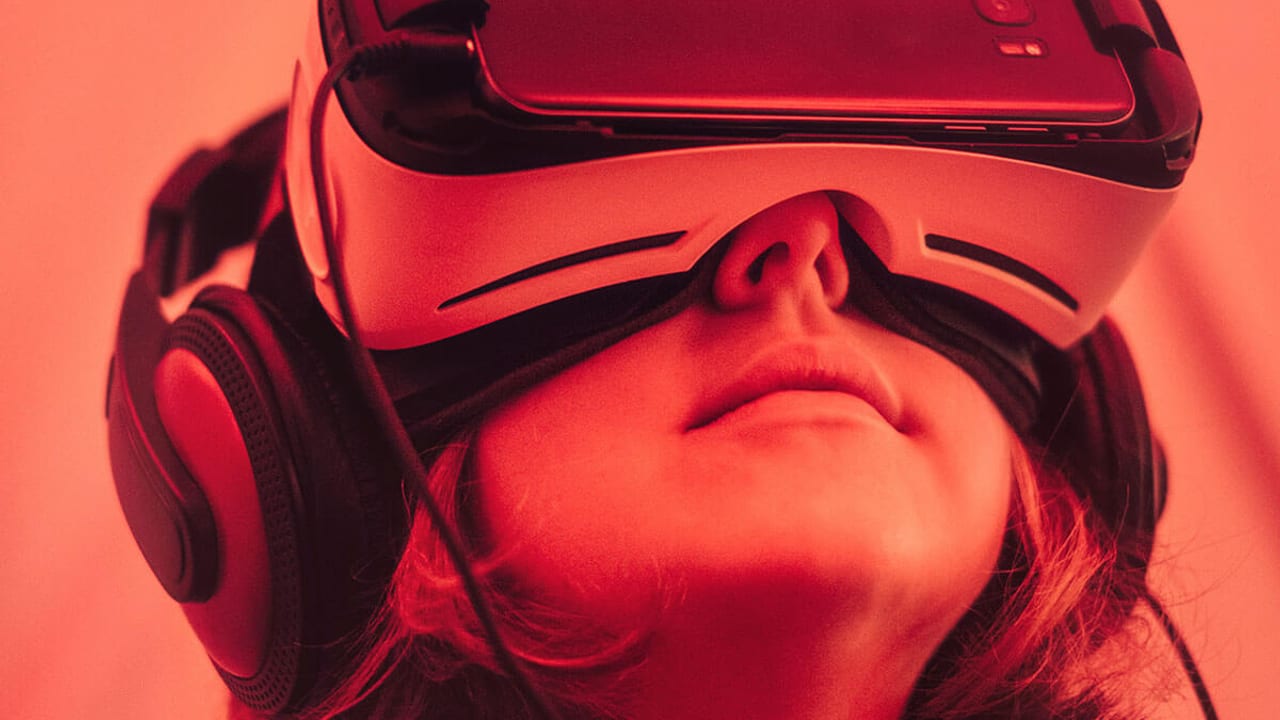
When training depends on place, sequence, safety, or spatial awareness, interactive VR can make the lesson easier to feel before someone has to perform it.
Read article
Production
Production
Exploitative Practices in the Video Production Industry is a production read about what needs to be planned, captured, protected, and handed to post so the finished piece has a real chance to work.
Read article
Strategy
Strategy
Why High-Quality Video Production Matters for Your Brand is a strategy read for teams deciding who the video needs to reach, what it needs to say, where it will live, and what has to be clear before production dollars move.
Read article
Business
Production Cost
A grounded breakdown of commercial production costs, from creative prep through crew, shoot logistics, post, and delivery.
Read article
Production
Production
AI and Automation in Video Production: Innovation or Annihilation is a production read about what needs to be planned, captured, protected, and handed to post so the finished piece has a real chance to work.
Read articleKeep Exploring
Related services, examples, and deeper reads add context around the creative choices, production decisions, and tradeoffs behind this topic.
Services
These service paths show where the production, post, animation, or package conversation usually goes next.
Service
AI video creation support for teams that want to use generative tools responsibly without sacrificing strategy, production judgment, brand trust, or visual quality.
Open pageService
Animation and motion graphics for brands, agencies, and organizations that need complex ideas, products, data, processes, or brand moments made easier to understand.
Open pageService
Explainer video production for teams that need customers, employees, investors, or users to understand a product, service, process, platform, or idea quickly.
Open pageService
Web Commercial Production from ECG Productions connects creative, production, post, and platform strategy around a campaign or brand goal.
Open pageWork
These examples show what the service, article, or category can look like in finished work.
Branded Content
Hello My Name Is… | A Musical Exploration is story-led brand work, which means the finished piece has to show more than polish. The important read is how the brand,...
Open pageBranded Content
Dixson, and more Talent | Hello My Name Is… Episode 8 is story-led brand work, which means the finished piece has to show more than polish. The important read is how...
Open pageBranded Content
Coco Jones, and more Talent | Hello My Name Is… Episode 5 is story-led brand work, which means the finished piece has to show more than polish. The important read is...
Open pageRelated articles
These pieces add context around process, budget, creative choices, common mistakes, and what to ask next.
Strategy
Mastering YouTube SEO for Sky-High Rankings and Unmatched Engagement is a strategy read for teams deciding who the video needs to reach, what it needs to say, where...
Open pageStrategy
Social Media Live Streaming Strategy: How to Plan, Promote & Produce Like a Pro is a strategy read for teams deciding who the video needs to reach, what it needs to...
Open pageStrategy
How to Effectively Tell Your Brand's Story Through Video is a strategy read for teams deciding who the video needs to reach, what it needs to say, where it will live...
Open pageStrategy
Interactive Video Content: Engage Your Audience in a Whole New Way is a strategy read for teams deciding who the video needs to reach, what it needs to say, where it...
Open pageNext step
When this starts to sound like your situation, bring ECG the goal and the constraints.
Share This Article
Share the article, project, or service page with a teammate, client, producer, or stakeholder who needs the context before the next decision.