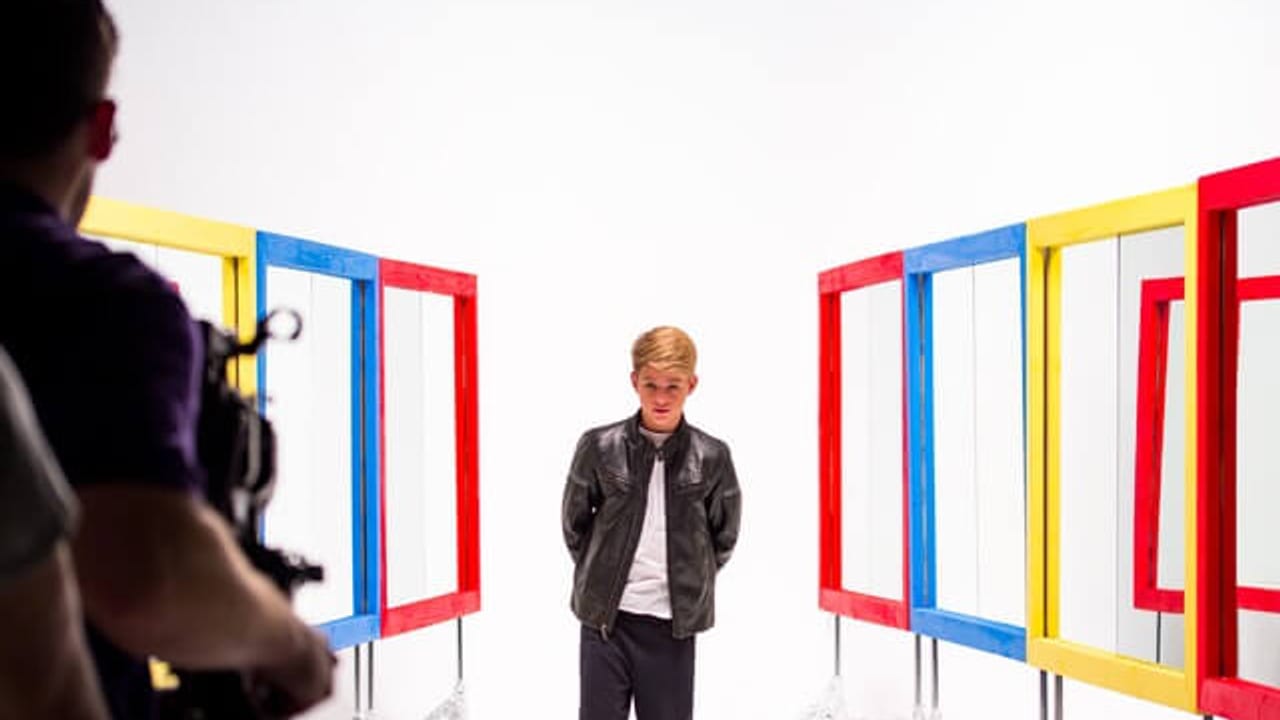
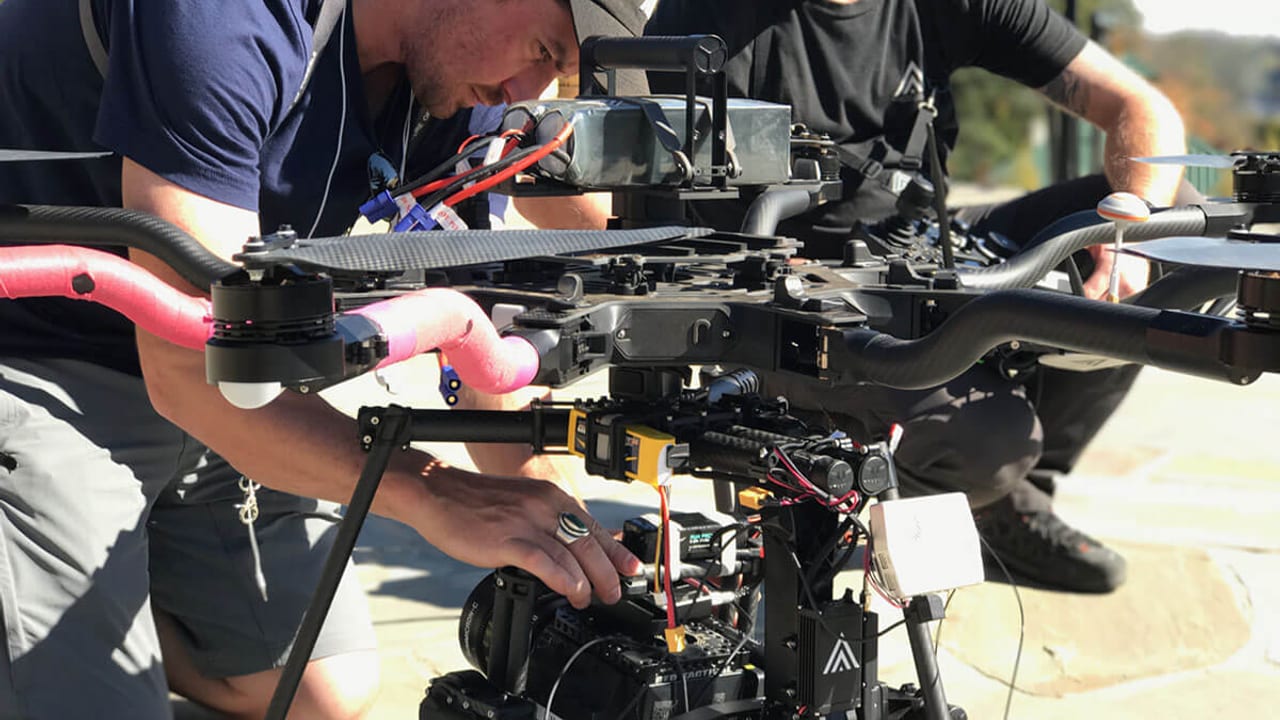
Understand key cinema slang and camera techniques to make smarter production decisions. Learn how terms like pan, whip-pan, rack focus, and dolly impact your shoot.
Help producers, marketers, and agencies confidently navigate film set terminology to improve communication and creative outcomes during video production.
Why Knowing Cinema Slang Matters Before You Shoot
Every production benefits when everyone on set speaks the same language. Cinema slang isn’t just jargon—it’s shorthand that keeps your shoot efficient and creative. When you understand terms like “pan,” “rack focus,” or “dolly,” you can communicate your vision clearly with directors, cinematographers, and editors. This reduces costly misunderstandings and speeds up approvals. Whether you’re briefing a crew or reviewing dailies, knowing cinema slang helps you make smarter, faster decisions throughout pre-production, production, and post.
Common Camera Movements and What They Mean for Your Story
Camera movements shape how your audience experiences the story. Here are essential terms to know: - **Pan:** The camera stays fixed but rotates horizontally, following action or revealing context. It’s a simple way to guide viewer attention. - **Whip-pan:** A fast pan creating motion blur, often used for dynamic transitions or comedic effect. - **Tilt:** Vertical movement of the camera, up or down, to reveal or emphasize subjects. - **Tracking/Dolly:** The camera physically moves alongside or toward the subject, adding depth and immersion. - **Zoom:** Changing the lens focal length to simulate moving closer or farther without moving the camera itself. Each movement carries a creative intent and technical requirement that impacts your shoot schedule, equipment needs, and editing options.
Focus Techniques: Directing Viewer Attention with Precision
Focus isn’t just about sharpness—it’s a storytelling tool. One key term is **rack focus**, where the focus shifts from one subject or object to another within the same shot. This guides the viewer’s eye and highlights important narrative details without cutting away. Planning rack focus shots requires precise coordination between camera operators and focus pullers, so discussing these moves during pre-production ensures smooth execution. Understanding these focus shifts also informs your post-production workflow, especially color grading and visual effects.
Integrating Cinema Slang into Your Production Workflow
Incorporate cinema slang early in your production process. During pre-production meetings, use these terms to align your creative team on shot lists and storyboards. On set, clear communication using cinema slang speeds up setups and adjustments, keeping the shoot on schedule. During post-production, referencing camera movements and focus changes helps editors and colorists maintain the director’s vision. For marketing teams and agencies, fluency in this language bridges the gap between creative and technical teams, ensuring your brand story is told effectively and beautifully.
Resources and Next Steps for Mastering Film Set Language
To deepen your understanding, explore behind-the-scenes videos and glossaries that break down cinema slang in context. ECG Productions offers tailored workshops and consulting to help your team get fluent in production language, improving collaboration and final results. Check out our Video Production Services and Pre-Production Planning pages for hands-on support. Ready to talk through your next project? Reach out via our Contact page to start the conversation.
FAQ
What is the difference between a pan and a tracking shot?
A pan rotates the camera horizontally from a fixed position, while a tracking shot physically moves the camera along with or toward the subject, adding depth and motion.
How does rack focus enhance storytelling?
Rack focus shifts the viewer’s attention between subjects within the same shot by changing the focus point, highlighting important narrative elements without cutting to a new angle.
Why should marketers learn cinema slang?
Understanding cinema slang helps marketers communicate clearly with production teams, ensuring creative ideas translate smoothly into the final video and saving time and budget.
What should a team understand about Behind the Scenes: Cinema Slang in Sixty Seconds?
The useful takeaway is how audience, creative direction, production choices, post-production, approvals, and delivery needs shape the final video plan.
Where should this kind of project start?
Start with the goal, audience, deadline, where the finished piece needs to live, and the practical constraints that will affect creative and production decisions.
How can ECG help with the next step?
ECG can help connect the creative idea to production planning, filming, post-production, versioning, and delivery so the finished work fits the channel and the audience.