Explore practical production lessons from Dr. Good: A Pet Rescue Mission documentary to help you plan impactful, audience-focused video projects.
This article helps video producers and marketers decide how to translate a meaningful story into an effective, well-executed documentary or branded video.
Turning a Powerful Story into a Production Plan
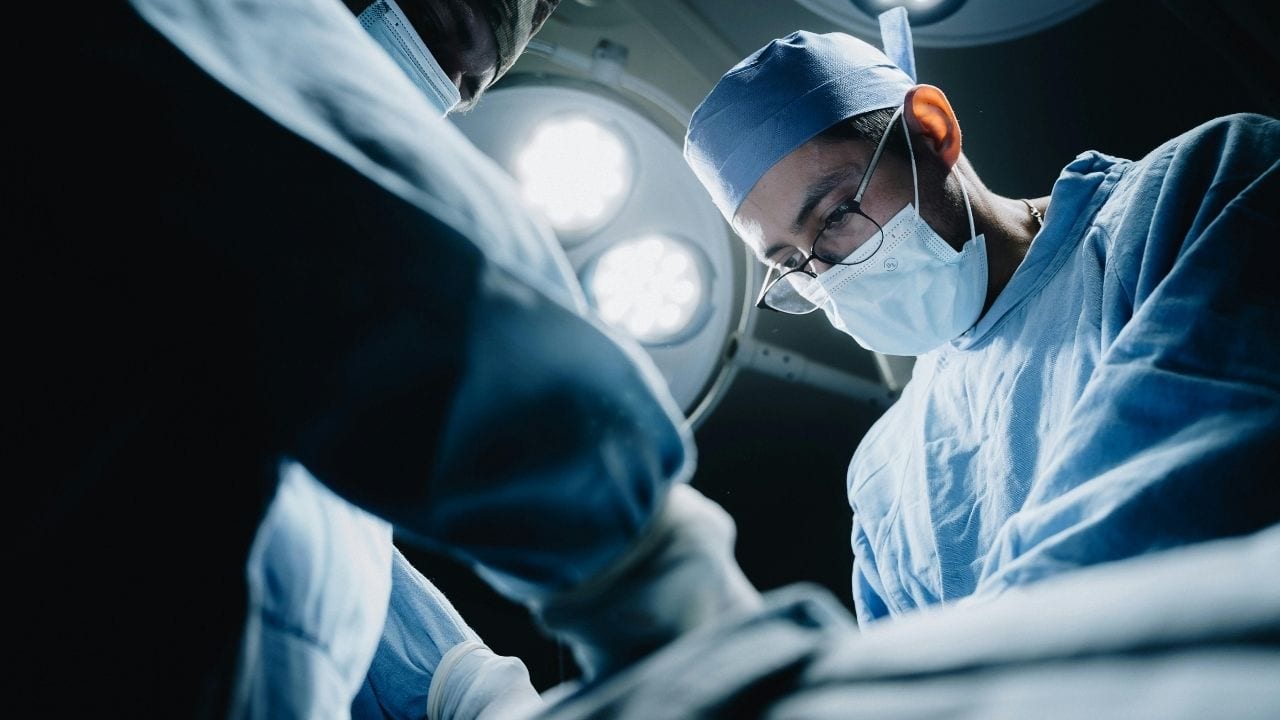
Dr. Good: A Pet Rescue Mission is more than a documentary about animal rescue—it’s a case study in connecting a heartfelt story to strategic production choices. The key decision for any producer or brand is how to transform a compelling idea into a clear plan that serves a specific audience and distribution goal. This means defining who needs to care, what they already know, and what the video must prove. From there, you map out deliverables, deadlines, and a review process that ensures the final piece isn’t just finished but effective.
Choosing the Right Cameras and Production Tools
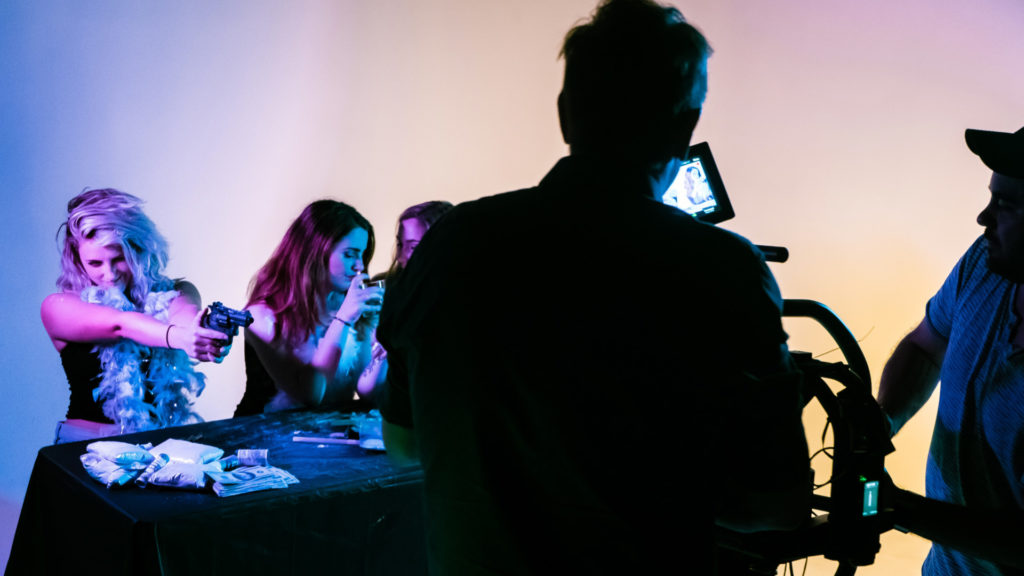
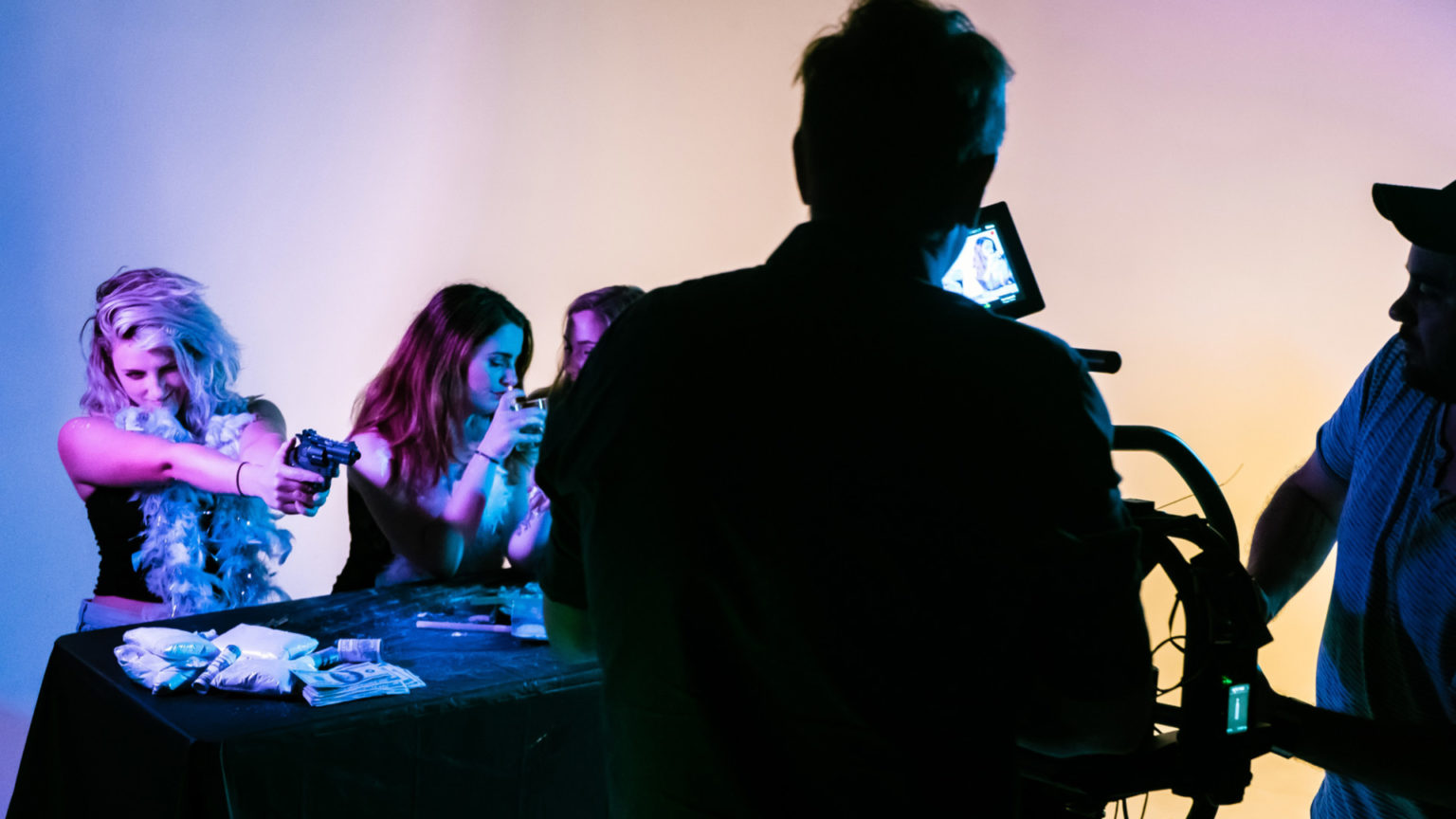
The documentary was shot using Blackmagic Production Cameras, a choice that balanced image quality with flexibility for on-location shoots. When planning your production, consider how camera choice affects your look, lighting needs, and post-production workflow. For example, shooting with cameras that support raw or log formats gives you more control in color grading and visual polish during editing. Knowing your gear upfront helps avoid surprises and keeps your project on schedule.
Post-Production: Crafting the Story in the Edit
Post-production for Dr. Good: A Pet Rescue Mission leveraged Adobe Premiere Pro and After Effects to shape pacing, add motion graphics, and refine audio. This phase is where the story truly takes form. A practical tip: build your edit around the emotional beats that will engage your audience, not just the footage you have. Plan for multiple review rounds with stakeholders to align tone and messaging. Also, allocate time for color correction and sound mixing to elevate the final output beyond raw footage.
Approvals, Rights, and Distribution Considerations
Clear communication about who approves the video and what rights are needed is critical early on. For a documentary like Dr. Good, securing permissions for interviews, music, and locations is part of the production DNA. Likewise, understanding where the video will be shown—social media, festivals, or broadcast—guides technical specs and format decisions. Early alignment on these points prevents costly delays and ensures your video reaches the right audience in the right way.
How ECG Supports Your Video Production Journey
Whether you’re starting with a raw idea or ready to shoot, ECG Productions helps connect your creative vision to the right production strategy. From pre-production planning and camera selection to post-production polish and distribution advice, our team guides you through every step. Explore our video production services, review portfolio examples, and bring your references to a first call. We focus on practical solutions that turn your story into a video that works.
FAQ
What camera gear was used for Dr. Good: A Pet Rescue Mission?
The documentary was filmed using Blackmagic Production Cameras, chosen for their balance of image quality and versatility on location.
How does post-production shape the final documentary?
Post-production uses editing, motion graphics, color correction, and sound design to craft the story’s pacing, tone, and visual polish, making the narrative engaging and clear.
Why is defining the audience important before production?
Knowing who needs to care and what they already know helps tailor the video’s message, style, and length to maximize impact and viewer engagement.
What should a team understand about Dr. Good: A Pet Rescue Mission?
The useful takeaway is how audience, creative direction, production choices, post-production, approvals, and delivery needs shape the final video plan.
Where should this kind of project start?
Start with the goal, audience, deadline, where the finished piece needs to live, and the practical constraints that will affect creative and production decisions.
How can ECG help with the next step?
ECG can help connect the creative idea to production planning, filming, post-production, versioning, and delivery so the finished work fits the channel and the audience.