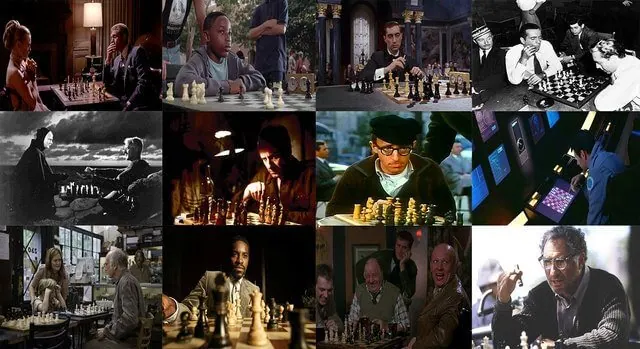
Discover how lessons from chess—attitude, endurance, error correction, analysis, and continuous learning—can sharpen your video production strategy and execution.
Help video production teams and marketers apply chess-inspired strategies to improve planning, execution, and post-production results.
Why Attitude Shapes Every Stage of Video Production
In both chess and video production, your mindset drives your outcomes. A positive, focused attitude fuels creativity and problem-solving from pre-production through delivery. If your team loses enthusiasm or focus, it shows in rushed edits, missed deadlines, or uninspired storytelling. Like a chess player mentally engaged in every move, video professionals must stay sharp and committed to navigate inevitable challenges and deliver compelling content.
Building Mental Endurance for Long Shoots and Complex Projects
Chess tournaments test players’ stamina over hours; similarly, video productions often demand sustained concentration through long shoots, multiple takes, and intricate edits. Mental endurance is crucial to maintaining quality and decision-making under pressure. Establishing healthy routines—regular breaks, balanced nutrition, and clear workflows—helps production teams stay resilient and focused, especially during marathon sessions or tight turnarounds.
Address Mistakes Early to Keep Your Production on Track
In chess, ignoring a small error can cascade into a losing position. The same applies to video production: spotting and fixing issues early—whether it’s a framing problem, audio glitch, or script inconsistency—prevents costly rework later. Encourage a culture where team members proactively flag and resolve problems during shoots and edits. Early corrections save time, reduce stress, and protect your project’s creative vision.
Analyze Every Project to Learn and Improve
Just as chess players review their games to understand mistakes, video teams benefit from post-mortem analysis. Reviewing footage, client feedback, and internal workflows reveals what worked and what didn’t. This reflection informs smarter planning and execution on future projects. Whether it’s refining shot lists, adjusting schedules, or improving communication, continuous learning sharpens your production process and final output.
Expand Your Creative Repertoire to Stay Ahead
Chess players grow by exploring new openings and strategies; video professionals thrive by experimenting with fresh techniques, styles, and technologies. Don’t settle for the familiar. Try new camera angles, editing software features, or storytelling approaches to keep your work dynamic and engaging. Ongoing learning and adaptation ensure your productions stay relevant and your team remains motivated.
FAQ
How can maintaining a positive attitude impact my video production team?
A positive attitude keeps your team motivated and focused, which improves creativity, problem-solving, and resilience through challenges in every production phase.
What are practical ways to build mental endurance for long shoots?
Plan regular breaks, ensure proper nutrition and hydration, maintain clear communication, and organize tasks to avoid burnout during extended production days.
Why is it important to analyze past video projects?
Analyzing completed projects helps identify successes and areas for improvement, enabling smarter planning, better workflows, and higher-quality outcomes in future productions.
What should a team understand about Five Reasons Why Chess and Video Production Go Hand-in-Hand: Part 2?
The useful takeaway is how audience, creative direction, production choices, post-production, approvals, and delivery needs shape the final video plan.
Where should this kind of project start?
Start with the goal, audience, deadline, where the finished piece needs to live, and the practical constraints that will affect creative and production decisions.
How can ECG help with the next step?
ECG can help connect the creative idea to production planning, filming, post-production, versioning, and delivery so the finished work fits the channel and the audience.