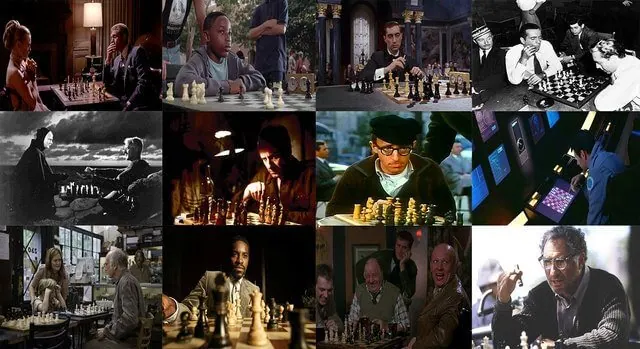
Discover how chess-inspired qualities like patience, objectivity, stability, confidence, and intuition can sharpen your video production strategy and execution.
Help video producers and creative teams apply chess-inspired qualities to improve decision-making and workflow throughout production.
Why Chess Strategy Matters in Video Production
Every production decision, from pre-production planning to final delivery, benefits from strategic thinking. Chess teaches us to anticipate moves, weigh options objectively, and adapt quickly—skills that directly translate to managing complex video projects. Whether you're balancing creative vision with client feedback or navigating tight schedules, thinking like a chess player can keep your production on course and your team aligned.
1. Patience: Enduring the Grind for Quality
Chess demands patience to analyze positions and plan moves carefully. Video production requires the same endurance—long shoots, multiple revisions, and detailed edits can test your resolve. Embracing patience helps you maintain focus during marathon editing sessions or when waiting for client approvals. This mindset turns potential frustration into productive persistence, often leading to creative breakthroughs and stronger final content.
2. Objectivity: Making Decisions Beyond Personal Bias
In chess, detaching emotionally from your favorite pieces or strategies allows for clearer, more flexible thinking. Similarly, video producers must evaluate footage, edits, and feedback with an objective eye. This means prioritizing what serves the story and audience over personal preferences. Objectivity helps you navigate client notes efficiently, avoid creative dead-ends, and deliver polished videos that meet strategic goals.
3. Stability: Keeping Your Head Amid Production Chaos
Top chess players like Magnus Carlsen credit personal stability for their peak performance. Video production is a high-pressure environment where unexpected challenges arise daily. Maintaining emotional and mental stability ensures you can lead your team, troubleshoot problems, and keep quality consistent. Building routines, clear communication channels, and a supportive work environment contributes to this steadiness.
4. Confidence: Trusting Your Skills and Choices
Confident chess moves come from knowing your strengths and trusting your judgment. The same applies in production—whether you're directing a shoot, choosing a cut, or negotiating deadlines. Confidence helps you make decisive calls, advocate for creative ideas, and inspire your team. It’s important to evaluate your capabilities honestly and prepare thoroughly to back your decisions with expertise.
5. Intuition: Anticipating and Acting Ahead of Time
Experienced chess players develop intuition that guides quick, effective moves without overthinking. In video production, intuition means anticipating issues before they arise and making proactive decisions. This could be spotting a potential scheduling conflict, recognizing when a shot won’t work in the edit, or sensing when a client needs reassurance. Cultivating intuition comes from experience and reflection, making you a more agile and valuable producer.
FAQ
How can patience improve my video production process?
Patience helps you navigate long shoots, detailed edits, and multiple client revisions without losing focus or quality, ultimately leading to better creative outcomes.
Why is objectivity important when reviewing edits?
Objectivity allows you to evaluate footage and feedback based on project goals rather than personal preferences, ensuring the final video aligns with the client’s vision and audience needs.
How do I develop intuition in video production?
Intuition grows from experience and reflection—by learning from past projects, anticipating challenges, and trusting your instincts to make quick, effective decisions on set and in post.
What should a team understand about Five Reasons Why Chess and Video Production Go Hand-in-Hand: Part 3?
The useful takeaway is how audience, creative direction, production choices, post-production, approvals, and delivery needs shape the final video plan.
Where should this kind of project start?
Start with the goal, audience, deadline, where the finished piece needs to live, and the practical constraints that will affect creative and production decisions.
How can ECG help with the next step?
ECG can help connect the creative idea to production planning, filming, post-production, versioning, and delivery so the finished work fits the channel and the audience.