Explore the practical production choices behind Hachette Book Group’s Once & Future book trailer, with insights on sound design, cinematography, and client collaboration to help
Helps readers understand the key production decisions that shape an effective branded book trailer and how to apply those lessons to their own projects.
Bringing Arthurian Legend to Life with Modern Production Choices
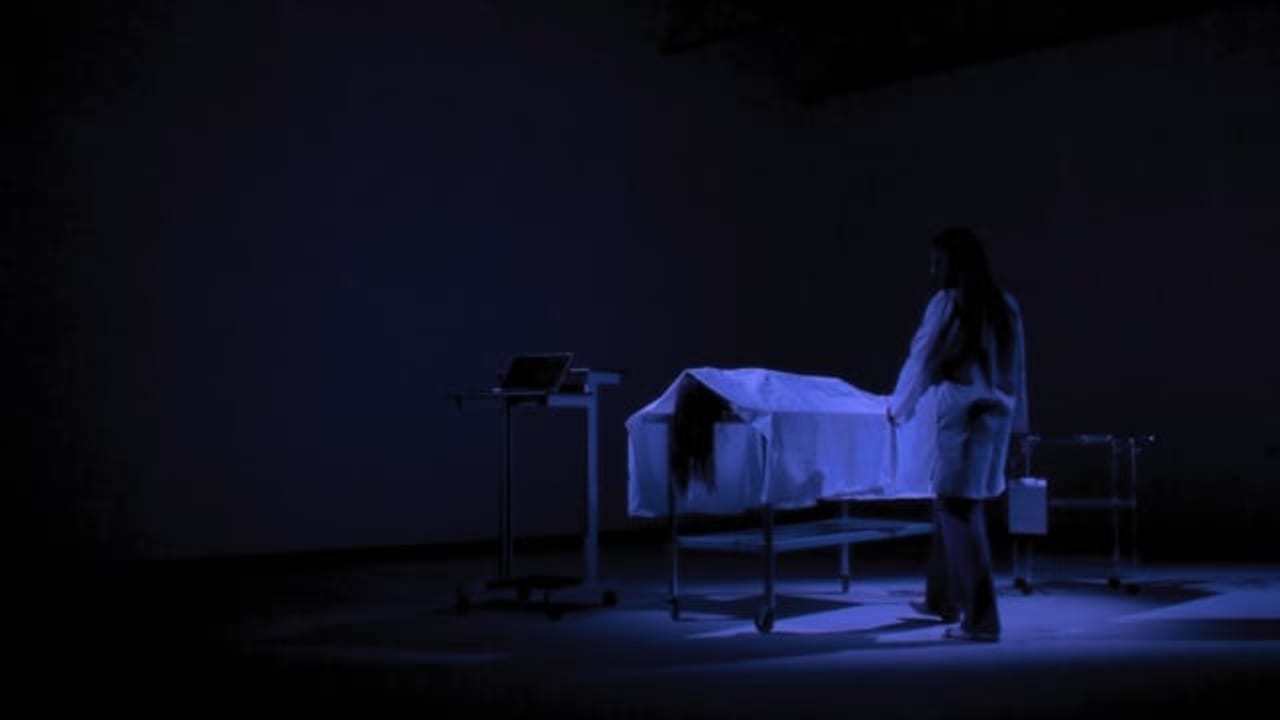
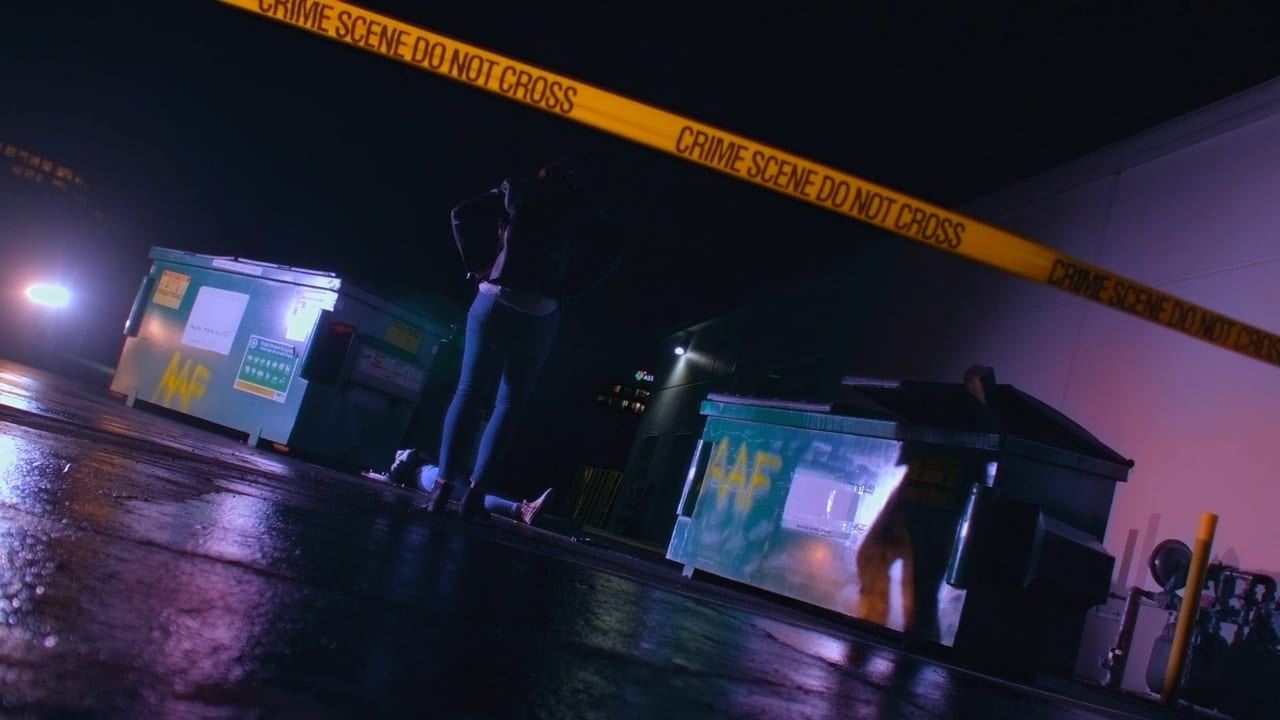
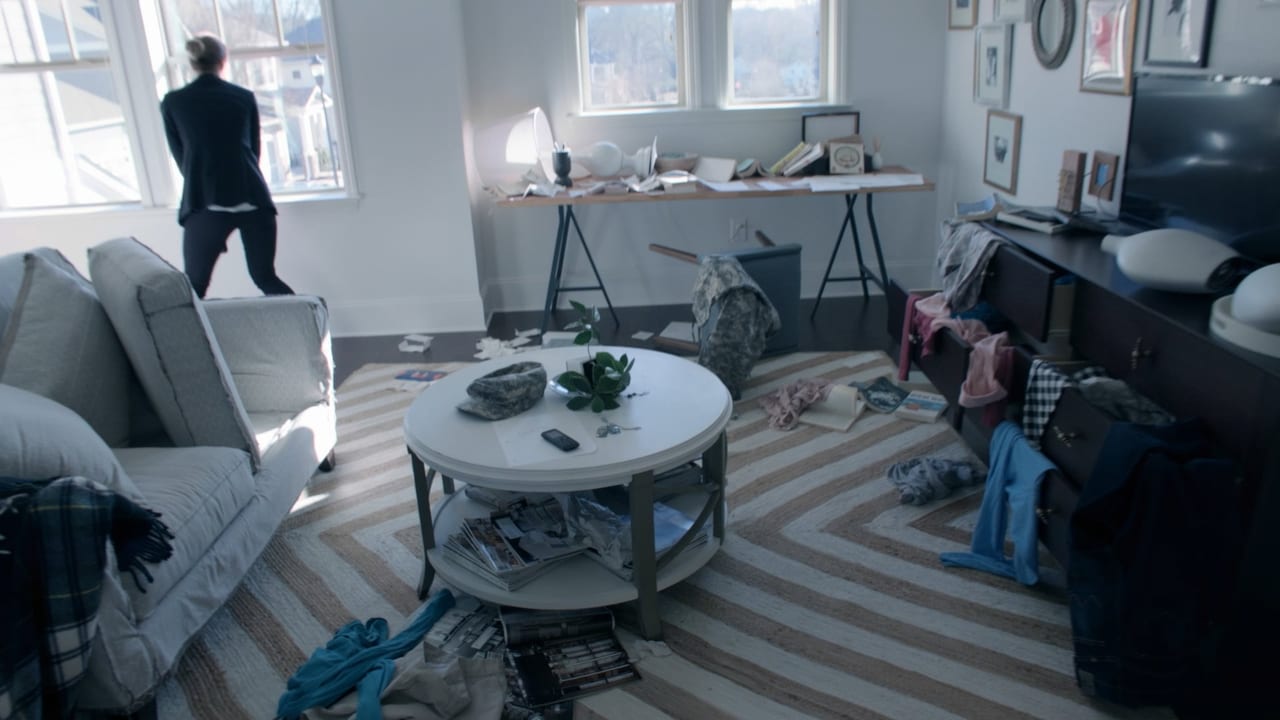
The Once & Future book trailer for Hachette Book Group reimagines the Arthurian legend through a fresh, gender-bent lens, engaging audiences with both story and style. Beyond the narrative, the production choices—from casting to camera work—were critical in capturing the epic scope of the novel. For example, the decision to shoot multiple close-ups of Excalibur’s hand grips required precise camera setups and lighting, handled expertly by Director of Photography Trey Gregory using the Ursa Mini Pro. These details, while subtle, create an immersive visual experience that honors the book’s tone.
Sound Design: The Unsung Hero of Emotional Impact
Sound in the Once & Future trailer isn’t an afterthought—it’s a core storytelling element. Music, voiceover, pacing, and silence work together to shape how viewers feel and remember the piece. Planning sound before final picture lock ensures the mix supports every cutdown and platform requirement, whether the video plays with or without audio. This foresight avoids costly fixes and aligns the audio with the brand’s emotional goals. At ECG, we emphasize early collaboration between editorial and sound teams to deliver a polished final mix that resonates.
Navigating Client Collaboration and Approvals Efficiently
Understanding who needs to approve the trailer and what success looks like upfront streamlines the production process. For Hachette Book Group, clear communication about audience expectations, brand constraints, and deliverables helped keep the project on track. Bringing these details into the initial conversations allows producers to craft tailored workflows, anticipate revisions, and manage timelines effectively. This practical approach reduces surprises and builds client trust throughout production and post.
Using References to Sharpen Creative Direction
Sharing visual and tonal references early on accelerates alignment. For the Once & Future trailer, pointing out specific pacing, sound design, and visual polish examples helped clarify the target feel. Equally important was identifying what didn’t work, which informed creative adjustments. This method of contrast-based feedback is a powerful tool for producers and clients to hone the project’s direction quickly and avoid costly missteps.
Next Steps: How to Approach Your Branded Video Project
Start your project by defining the goal, audience, deadline, existing assets, brand guidelines, and must-have deliverables. This foundation lets production teams recommend the right services—whether that’s pre-production planning, cinematography, editorial, or post-production sound design. ECG’s portfolio and service pages provide examples and guidance to match your needs. Reach out early to discuss your vision and constraints, so your video can be as impactful as Once & Future’s trailer.
FAQ
Why is early sound planning important in video production?
Planning sound before final picture lock ensures the audio supports the video’s pacing, tone, and platform requirements, reducing costly fixes during post-production and enhancing viewer engagement.
How can sharing references improve client-producer collaboration?
Providing clear visual and tonal references helps align expectations, speeds up feedback cycles, and clarifies the creative direction, making the production process smoother and more efficient.
What should I prepare before starting a branded video project?
Define your project goals, target audience, deadlines, existing assets, brand guidelines, approval process, and required deliverables to help your production team tailor the workflow and services effectively.
What should a team understand about Hachette Book Group | Once & Future - Book Trailer?
The useful takeaway is how audience, creative direction, production choices, post-production, approvals, and delivery needs shape the final video plan.
Where should this kind of project start?
Start with the goal, audience, deadline, where the finished piece needs to live, and the practical constraints that will affect creative and production decisions.
How can ECG help with the next step?
ECG can help connect the creative idea to production planning, filming, post-production, versioning, and delivery so the finished work fits the channel and the audience.