Explore how Jason Sirotin’s early production experiences shaped his directing style and learn practical insights for planning, shooting, and delivering standout video projects.
This article helps production decision-makers understand how thoughtful planning and on-set execution contribute to a director’s unique style and successful video outcomes.
From Early Days to Directing: What Jason Sirotin’s Journey Teaches About Production
Jason Sirotin’s early years in video production, captured in candid photos from the 1990s, reveal more than just a personal story—they highlight the foundational role of preparation and passion in crafting memorable content. Starting with a Magnavox VHS camcorder, Jason’s hands-on experience underscores a key production truth: mastering your tools early sets the stage for confident directing. Whether it’s selecting the right gear or envisioning the final edit during pre-production, these steps are crucial to shaping a project’s creative and technical success.
Capturing Personality On Set: How Jason’s Style Reflects in His Productions
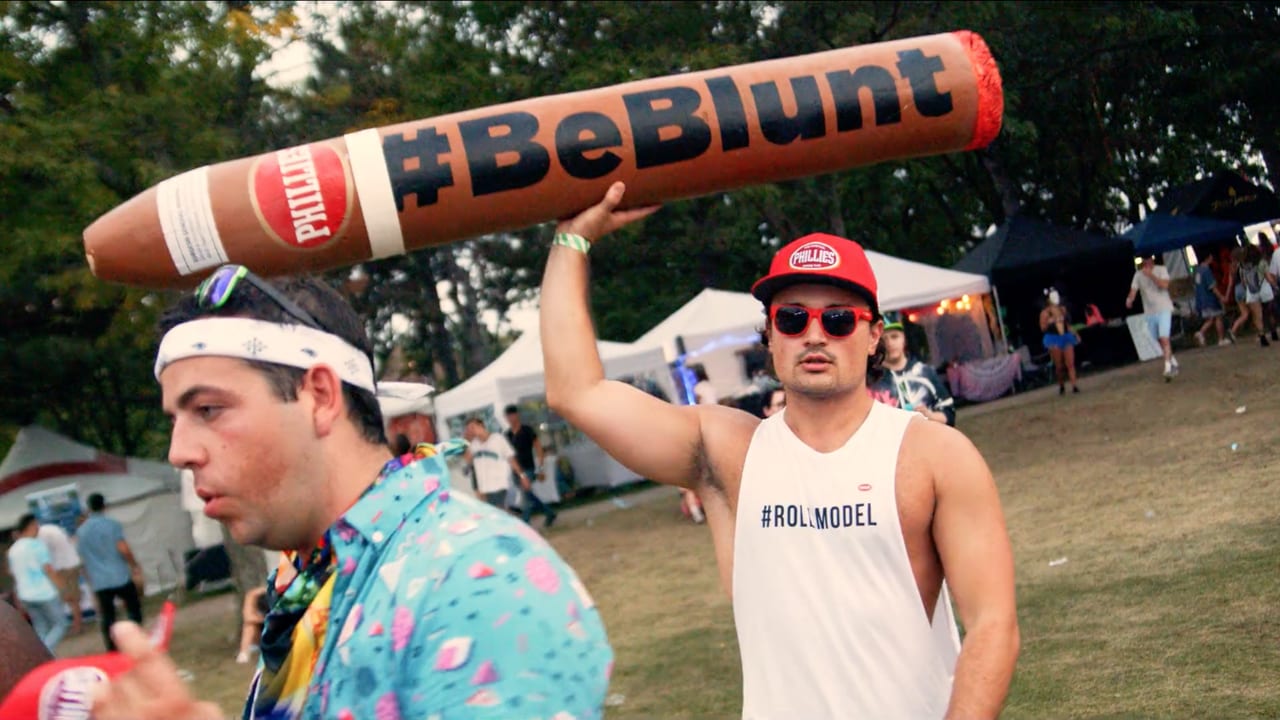
Jason’s distinctive style—whether it’s the playful confidence in a Charlotte Hornets jacket or the boldness of a Navajo print outfit—translates into his directing approach. On set, this means encouraging authentic performances and creating an environment where creativity thrives. Production teams can learn from this by prioritizing clear communication, flexible shot lists, and a collaborative atmosphere that allows talent and crew to bring their best selves to the project.
Protecting Your Footage: Best Practices From Script to Screen
Every frame captured is an asset that needs safeguarding. Jason’s progression from VHS tapes to digital workflows illustrates the evolution of media protection—from physical tape handling to modern digital backups and metadata management. Today’s productions demand rigorous protocols: multiple backups, secure data transfers, and detailed logging during production to ensure footage integrity through post-production and delivery.
Post-Production Partnerships: How Early Decisions Impact Editing and Delivery
The choices made during pre-production and shooting directly influence post-production efficiency. Jason’s work with ECG Productions demonstrates the value of clear shot lists, consistent lighting, and well-planned coverage to streamline editing, color grading, and audio mixing. Collaborating early with editors and post teams can prevent costly reshoots and accelerate delivery schedules, ensuring the final product meets client expectations without compromise.
Learning from Jason Sirotin’s Career: Practical Takeaways for Your Next Video Project
Jason’s journey from a VHS enthusiast to a seasoned director reminds us that every production phase matters. For producers and marketers, the lesson is clear: invest time in pre-production strategy, foster a creative yet disciplined production environment, protect your assets diligently, and maintain open lines with post-production. These steps not only preserve your vision but also elevate the final video’s impact across distribution channels.
FAQ
What can early production experiences teach about directing style?
Early hands-on experience with equipment and on-set challenges helps directors develop a practical understanding of storytelling, technical constraints, and crew dynamics, shaping their unique style and approach.
How important is footage protection during production?
Protecting footage is critical to avoid data loss that can delay or derail a project. Best practices include multiple backups, secure storage, and detailed logging from shoot through post-production.
Why should producers involve post-production teams early in the process?
Early collaboration with post-production ensures that footage is captured with editing and delivery needs in mind, reducing rework and speeding up the final turnaround.
What should a team understand about Hilarious Photos of Film & TV Director Jason Sirotin?
The useful takeaway is how audience, creative direction, production choices, post-production, approvals, and delivery needs shape the final video plan.
Where should this kind of project start?
Start with the goal, audience, deadline, where the finished piece needs to live, and the practical constraints that will affect creative and production decisions.
How can ECG help with the next step?
ECG can help connect the creative idea to production planning, filming, post-production, versioning, and delivery so the finished work fits the channel and the audience.