Music decides the emotional contract.
A brand video can look expensive and still feel wrong if the music fights the message. The track sets pace, tension, taste, confidence, and whether the viewer trusts the feeling the piece is asking them to have.
Production
Discover how musical themes shape storytelling in film, influence audience emotions, and enhance character development through strategic production and post-production choices.
 Written byTrey GregoryPartner, Director of Photography & Animator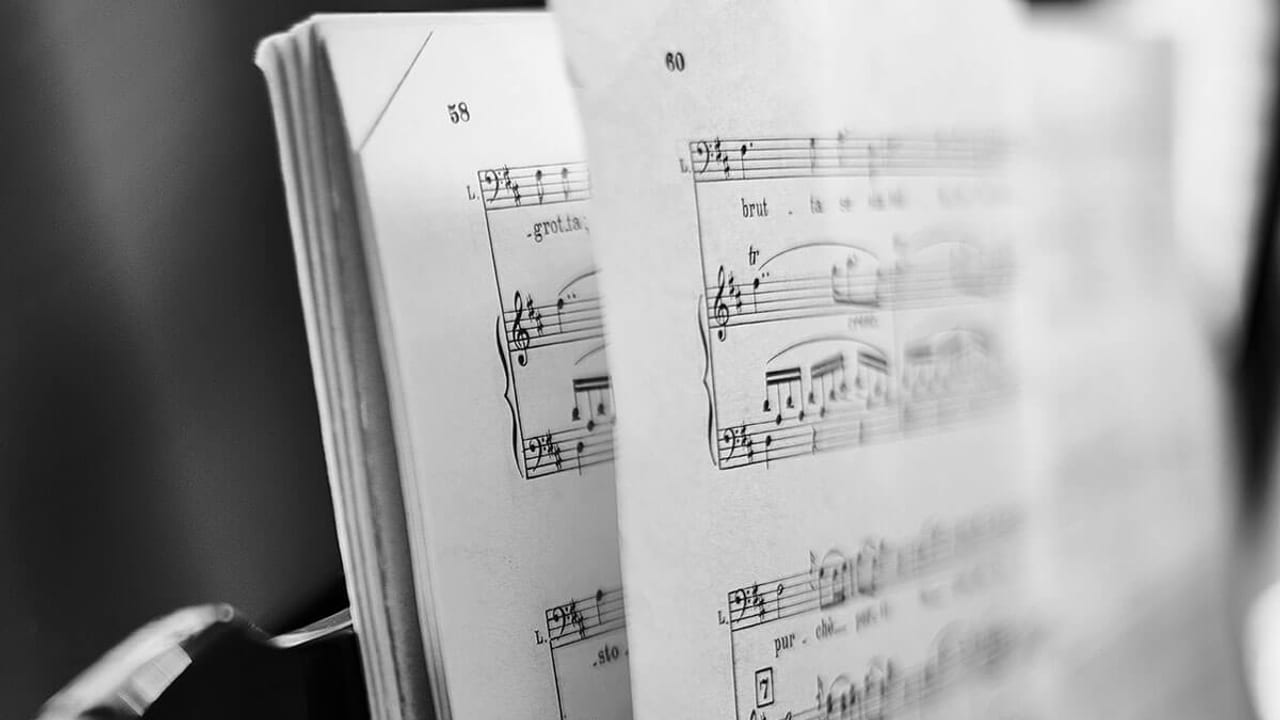
Production
Sound strategy for brand videos that need to feel right before they explain themselves.
Sound Strategy
The music under a brand video changes pace, memory, credibility, and emotional permission. The right choice depends on audience, edit rhythm, licensing, dialogue, campaign life, and how the piece needs to feel in the first few seconds.
A brand video can look expensive and still feel wrong if the music fights the message. The track sets pace, tension, taste, confidence, and whether the viewer trusts the feeling the piece is asking them to have.
Music choices should match the audience, usage rights, campaign life, edit rhythm, voiceover, and where the video will run. A temp track can help the edit move, but the final track has to be cleared, mixed, and shaped around the brand.
A stronger music conversation starts early: tone references, licensing limits, dialogue or VO needs, captions, platform behavior, cutdowns, and the intended feeling when someone watches with sound on or off.
Article
Discover how musical themes shape storytelling in film, influence audience emotions, and enhance character development through strategic production and post-production choices.
Help filmmakers, producers, and marketers understand how to leverage musical themes to strengthen narrative impact and audience connection in film projects.
Musical themes are more than just background sound—they’re a strategic storytelling device that shapes how audiences experience your film. From pre-production planning to post-production mixing, understanding how to craft and deploy musical motifs can elevate your narrative without adding a single visual cue. Think of musical themes as sonic signposts: they signal character presence, mood shifts, and plot developments, often subconsciously guiding the viewer’s emotions and expectations.
Assigning a unique musical theme to a character helps anchor their presence in the story. This isn’t just about repetition; it’s about evolving the theme alongside the character’s journey. For example, a character’s theme might start as a simple melody and grow more complex as they develop, or it might appear subtly in scenes where the character isn’t physically present but is emotionally relevant. This approach saves screen time and dialogue, allowing music to carry narrative weight and deepen audience empathy.
Musical themes can also manipulate audience expectations—sometimes to surprise or mislead. In thrillers or mysteries, a familiar character theme might play to suggest their involvement in a scene, only to reveal a twist moments later. This technique requires careful timing and sound editing in post-production to ensure the music cues align perfectly with visual storytelling. It’s a powerful way to build suspense and emotional complexity without overt exposition.
Successful use of musical themes starts early. During pre-production, collaborate with composers and sound designers to align themes with script beats and character arcs. On set, consider how scenes will interact with music—will a theme underscore a silent moment or build to a crescendo? In post-production, editors and mixers refine these themes, balancing them with dialogue and sound effects to maintain clarity and impact. Color grading and pacing can also complement musical moods, creating a cohesive sensory experience.
When incorporating musical themes, securing proper rights and licenses is crucial. Whether using original compositions or licensed tracks, clarify ownership and usage terms early to avoid legal complications. This is especially important for distribution across platforms with varying rights requirements. Additionally, plan for deliverables that include stems or isolated music tracks to facilitate localization, remixing, or future edits, ensuring your film’s musical storytelling remains flexible and protected.
A musical theme is a recurring melody or motif associated with a character, setting, or idea that helps convey story elements and emotions without relying on dialogue or visuals.
Musical themes tap into subconscious emotional cues, guiding viewers to feel tension, joy, sadness, or anticipation, thereby deepening their connection to the story and characters.
Musical themes should be planned during pre-production in collaboration with composers and sound designers, then refined through editing and mixing in post-production to align perfectly with the film’s narrative flow.
The useful takeaway is how audience, creative direction, production choices, post-production, approvals, and delivery needs shape the final video plan.
Start with the goal, audience, deadline, where the finished piece needs to live, and the practical constraints that will affect creative and production decisions.
ECG can help connect the creative idea to production planning, filming, post-production, versioning, and delivery so the finished work fits the channel and the audience.
Related ECG Portfolio Video
Use ECG Productions | 2014 Show Reel as an ECG-produced reference for Why Musical Themes Matter in Film Production and How to Use Them Effectively. Compare the audience, tone, distribution plan, and production choices before turning the article into a creative brief.
Vertical Vimeo
A legacy ECG show reel preserved as proof of range, style, pacing, and production history across multiple kinds of work. Use it as an archive reference for the company's visual taste and category breadth, then compare newer portfolio examples for the most current finish, media, and production approach.
Visual Context
Articles perform better when readers can see what the thinking points toward. This visual break connects the topic to ECG production, post-production, real examples, and the next practical decision instead of leaving the page as a long read with no visual rhythm.
See related workArticle FAQ
These answers add practical context for the decisions that usually sit behind production work: scope, timing, creative direction, production approach, and what the finished piece needs to accomplish.
A musical theme is a recurring melody or motif associated with a character, setting, or idea that helps convey story elements and emotions without relying on dialogue or visuals.
Musical themes tap into subconscious emotional cues, guiding viewers to feel tension, joy, sadness, or anticipation, thereby deepening their connection to the story and characters.
Musical themes should be planned during pre-production in collaboration with composers and sound designers, then refined through editing and mixing in post-production to align perfectly with the film’s narrative flow.
The useful takeaway is how audience, creative direction, production choices, post-production, approvals, and delivery needs shape the final video plan.
Start with the goal, audience, deadline, where the finished piece needs to live, and the practical constraints that will affect creative and production decisions.
ECG can help connect the creative idea to production planning, filming, post-production, versioning, and delivery so the finished work fits the channel and the audience.
Next Step
When an article sounds like your project, compare the relevant service path and nearby work before you make a production decision.
Read Next

Production
Production
Silence and Why It’s Important in Film is a production read about what needs to be planned, captured, protected, and handed to post so the finished piece has a real chance to work.
Read article
Business
Business
WHY "FILM RACE" CONTESTS DON'T MAKE BETTER VIDEO PRODUCTION PROFESSIONALS shapes the budget conversation: the scope drivers to understand, the risks to plan around, and the decisions worth making before production starts.
Read article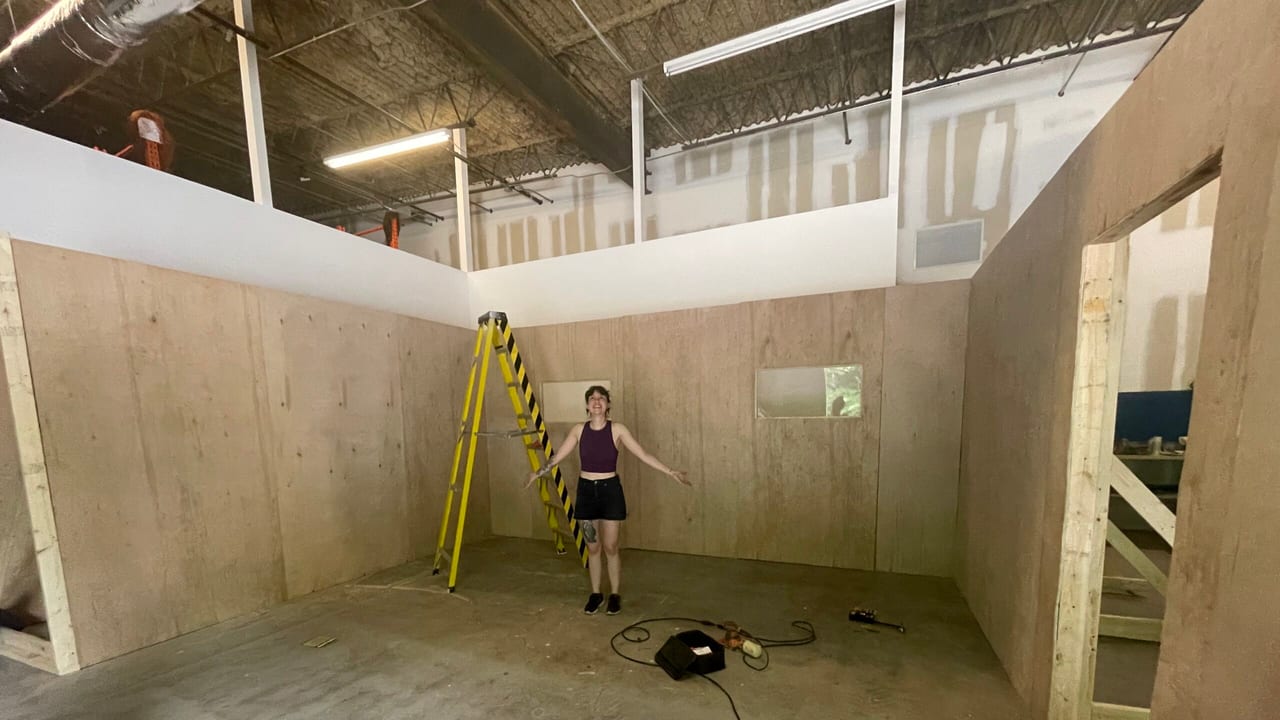
Production
Production
How to build a film set: If we build it they film it. An art departments take is a production read about what needs to be planned, captured, protected, and handed to post so the finished piece has a real chance to work.
Read article
Production
Production
An Important Look at Women in Film: "She’s Behind the Lens" is a production read about what needs to be planned, captured, protected, and handed to post so the finished piece has a real chance to work.
Read article
Strategy
Strategy
What They Don’t Teach You In Film School is a strategy read for teams deciding who the video needs to reach, what it needs to say, where it will live, and what has to be clear before production dollars move.
Read article
Business
Business
Releases and Why They Matter shapes the budget conversation: the scope drivers to understand, the risks to plan around, and the decisions worth making before production starts.
Read articleKeep Exploring
Related services, examples, and deeper reads add context around the creative choices, production decisions, and tradeoffs behind this topic.
Services
These service paths show where the production, post, animation, or package conversation usually goes next.
Service
Animation and motion graphics for brands, agencies, and organizations that need complex ideas, products, data, processes, or brand moments made easier to understand.
Open pageService
Event video production for teams that need the story, energy, speakers, audience, and proof of a live moment captured for people who were not in the room.
Open pageService
Live Performance / Event Recap Package from ECG Productions gives launch and event teams a clearer starting point for capturing and using the moment.
Open pageService
AI video creation support for teams that want to use generative tools responsibly without sacrificing strategy, production judgment, brand trust, or visual quality.
Open pageWork
These examples show what the service, article, or category can look like in finished work.
Branded Content
Hello My Name Is… | A Musical Exploration is story-led brand work, which means the finished piece has to show more than polish. The important read is how the brand,...
Open pageBranded Content
Baby Tate, Symba, and more | Hello My Name Is... Episode 4 is story-led brand work, which means the finished piece has to show more than polish. The important read i...
Open pageBranded Content
Eric Bellinger, Jane Handcock, and more: Hello My Name Is | Episode 3 is story-led brand work, which means the finished piece has to show more than polish. The impor...
Open pageRelated articles
These pieces add context around process, budget, creative choices, common mistakes, and what to ask next.
Music And Brand Feel
Music is not background decoration. It controls pace, tension, memory, and whether a brand video feels believable before the viewer can explain why.
Open pagePost
A post-production read on Restoring Old Videos: How ECG Productions Brings Your Memories Back to Life, covering the edit, sound, color, graphics, delivery, and revie...
Open pageProduction
360 Video Shows How Film is an Evolving Industry is a production read about what needs to be planned, captured, protected, and handed to post so the finished piece h...
Open pageColor
Color is not just polish. It is one of the ways a video tells the audience how to feel.
Open pageNext step
When this starts to sound like your situation, bring ECG the goal and the constraints.
Share This Article
Share the article, project, or service page with a teammate, client, producer, or stakeholder who needs the context before the next decision.