Discover four actionable strategies to maintain motivation and focus during uncertain times in video production, from structured to-do lists to smart workspace separation.
This article helps production professionals and marketers decide how to maintain motivation and productivity through complex or disrupted shoots and workflows.
Why Motivation Matters in Production
In video production, motivation isn’t just a nice-to-have—it’s essential. Whether you’re managing a shoot during unpredictable conditions or navigating a complex post-production schedule, staying motivated keeps your team aligned and your project on track. When external factors disrupt your routine, motivation can falter, risking delays, creative burnout, or compromised quality. This article offers practical ways to keep your production momentum steady, even when the unexpected throws you off balance.
1. Use a Detailed To-Do List to Track Progress
A clear, prioritized to-do list is your production compass. When schedules shift or days blend together, it’s easy to lose sight of what’s been accomplished and what’s next. Create a list that includes every key step—from pre-production tasks like location scouting and casting, through production milestones such as shot lists and equipment checks, to post-production deadlines for editing, color grading, and approvals. Checking off each item provides a tangible sense of progress and helps keep the entire crew focused on concrete goals.
2. Create a Physical or Mental 'Commute' to Separate Work and Rest
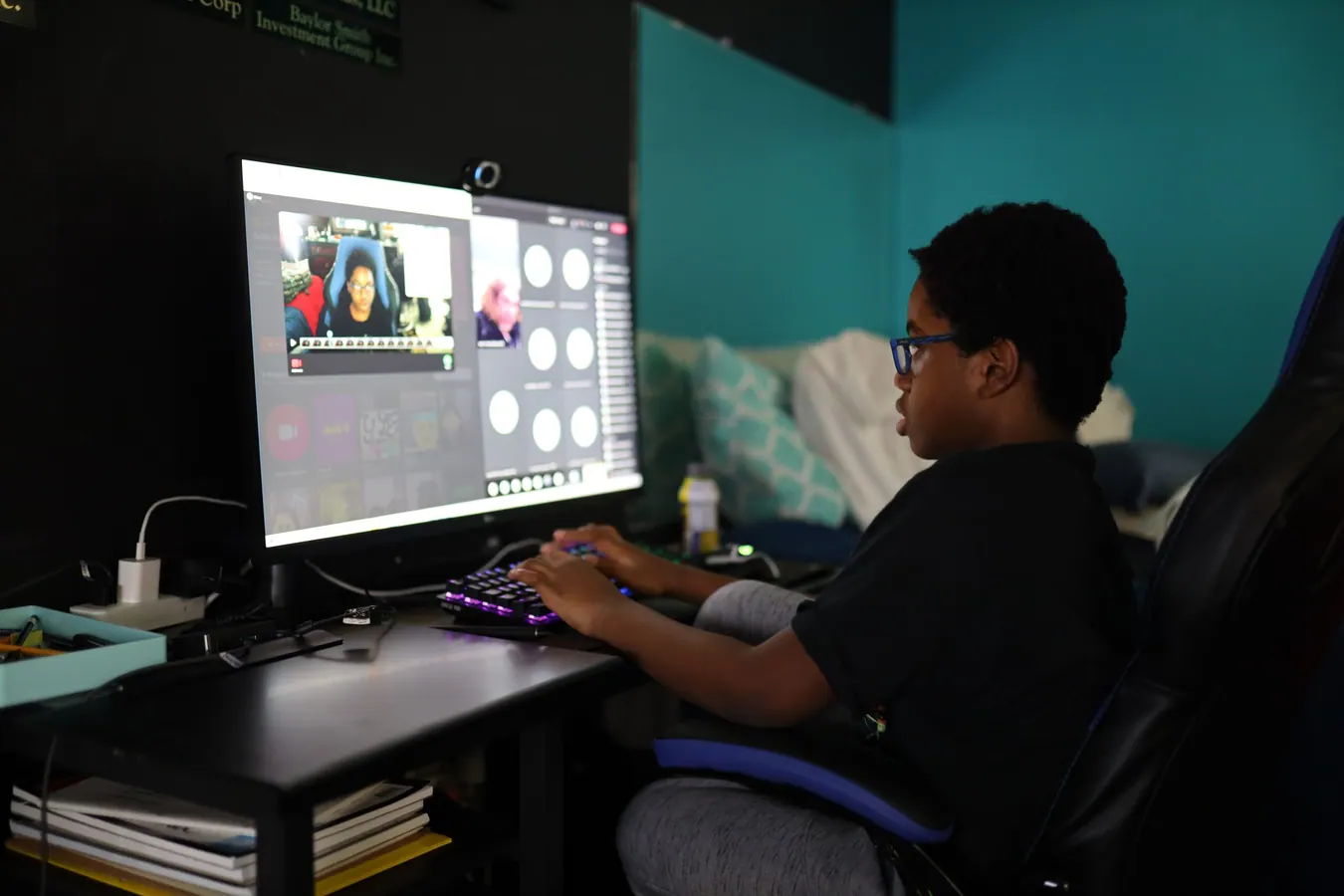
When your workspace doubles as your living space, it’s crucial to establish boundaries that signal the start and end of your workday. This might mean physically moving your laptop to a different room or setting a ritual—like a brief walk, a stretch, or a change of clothes—to mark the transition. This separation helps your brain switch gears, preventing burnout and maintaining creative energy for production tasks. For on-set or remote shoots, this practice can also help reset focus between long shooting days or editing sessions.
3. Embrace Rest and Downtime as Part of the Process
In production, pushing through exhaustion often backfires. Rest isn’t a sign of weakness—it’s a strategic tool. Scheduling breaks, even short ones, during shoots or editing sprints allows your team to recharge and return with sharper eyes and better ideas. This also applies to mental rest: stepping away from the screen or set to do something unrelated can spark creativity and reduce stress. Recognize that downtime is a necessary part of sustaining motivation and delivering premium work.
4. Reflect on Achievements to Sustain Momentum
It’s easy to get caught up in what’s next and overlook what you’ve already accomplished. Regularly reviewing completed tasks, milestones reached, or positive client feedback can boost morale and reinforce the value of your work. Consider sharing these reflections in team meetings or project updates. This practice not only motivates but also helps identify what’s working well, informing smarter decisions for upcoming production phases.
FAQ
How can I keep my production team motivated during long projects?
Break the project into manageable tasks with clear deadlines, celebrate milestones, encourage regular breaks, and foster open communication to maintain motivation throughout long productions.
What are effective ways to separate work and personal time when working from home on production tasks?
Designate a specific workspace, create a start and end-of-day ritual, and physically move away from your work area to help your brain distinguish work time from personal time.
Why is rest important during intense production schedules?
Rest prevents burnout, improves focus, and enhances creativity, all of which are critical for maintaining high-quality production standards over extended periods.
What should a team understand about 4 Tips for Staying Motivated in 2020?
The useful takeaway is how audience, creative direction, production choices, post-production, approvals, and delivery needs shape the final video plan.
Where should this kind of project start?
Start with the goal, audience, deadline, where the finished piece needs to live, and the practical constraints that will affect creative and production decisions.
How can ECG help with the next step?
ECG can help connect the creative idea to production planning, filming, post-production, versioning, and delivery so the finished work fits the channel and the audience.