

Interactive VR learning works when the environment is part of the lesson.
Some training problems are hard to solve with a flat video. If the learner needs to look around, notice spatial details, practice a sequence, or understand what a place feels like before they get there, interactive VR and 360 video can do something a standard module cannot. It gives the viewer a sense of presence.
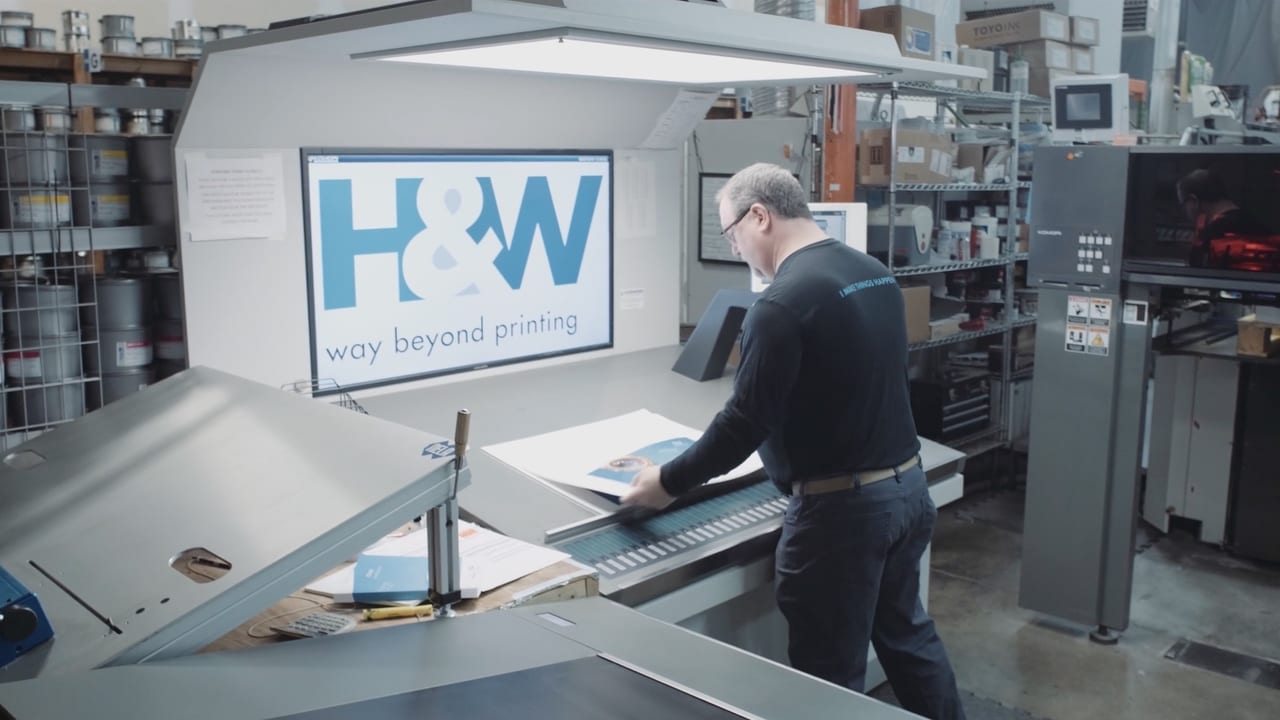
That does not mean every training video should become VR. The better question is where immersion actually helps. A 360 safety walkthrough, a facility orientation, a medical or technical process, a manufacturing environment, a campus tour, or a scenario-based learning module can all benefit from a format that lets the viewer explore instead of passively watch.
Start with the training objective, not the headset.
The first production decision is not camera gear. It is the behavior you want to change. Do employees need to recognize hazards? Do sales teams need to understand a space before a site visit? Do students need to experience a place that is difficult to access? Do viewers need to choose a path and see the consequence of that choice?
Once that objective is clear, the production plan becomes much smarter. ECG can decide whether the project needs a fully interactive experience, a 360 video walkthrough, a guided voiceover, clickable decision points, chaptered learning moments, or a simpler video supported by graphics and captions.
What changes in production.
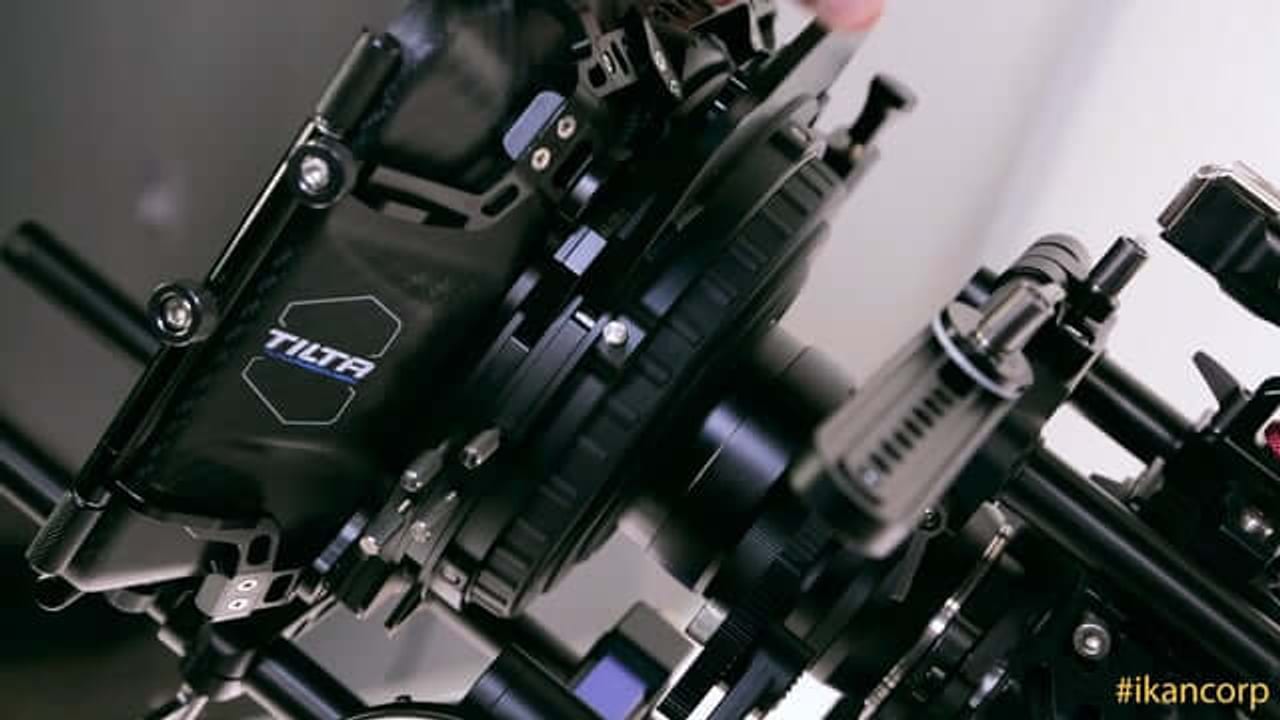
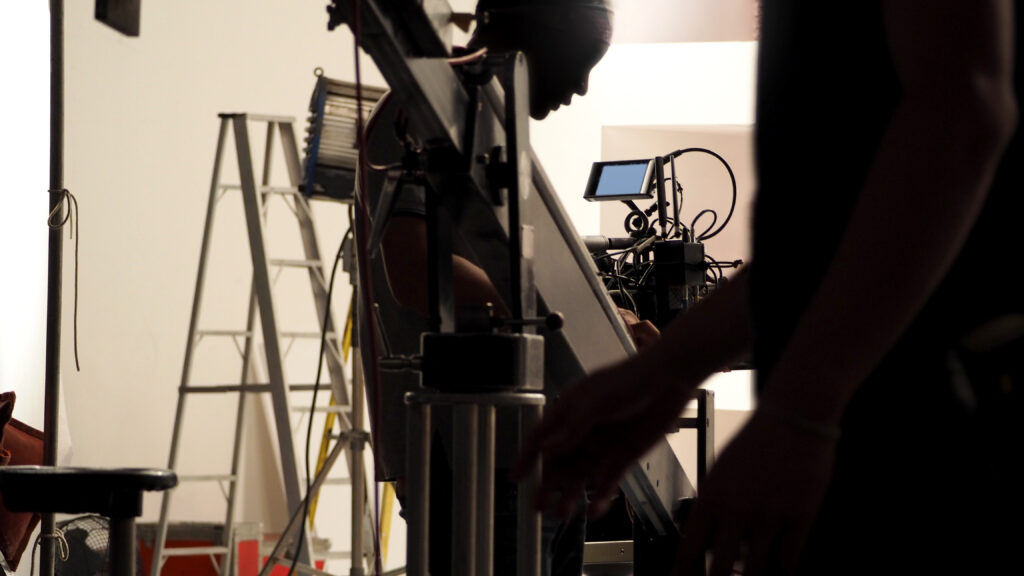
VR learning has to be planned differently from a normal shoot. The camera may see everything, which means crew placement, lighting, sound, blocking, staging, location control, and continuity all become more sensitive. A useful VR training piece also needs a clean learning path. If the viewer can look anywhere, the production still has to guide attention without making the experience feel forced.
That is where pre-production matters. Scripts become experience maps. Shot lists become environments. Production design has to support learning, not just aesthetics. Post-production may include 360 stitching, spatial audio thinking, motion graphics, captions, hotspot planning, LMS delivery, and platform testing across desktop, mobile, headset, or browser-based playback.
Where VR learning can be strongest.
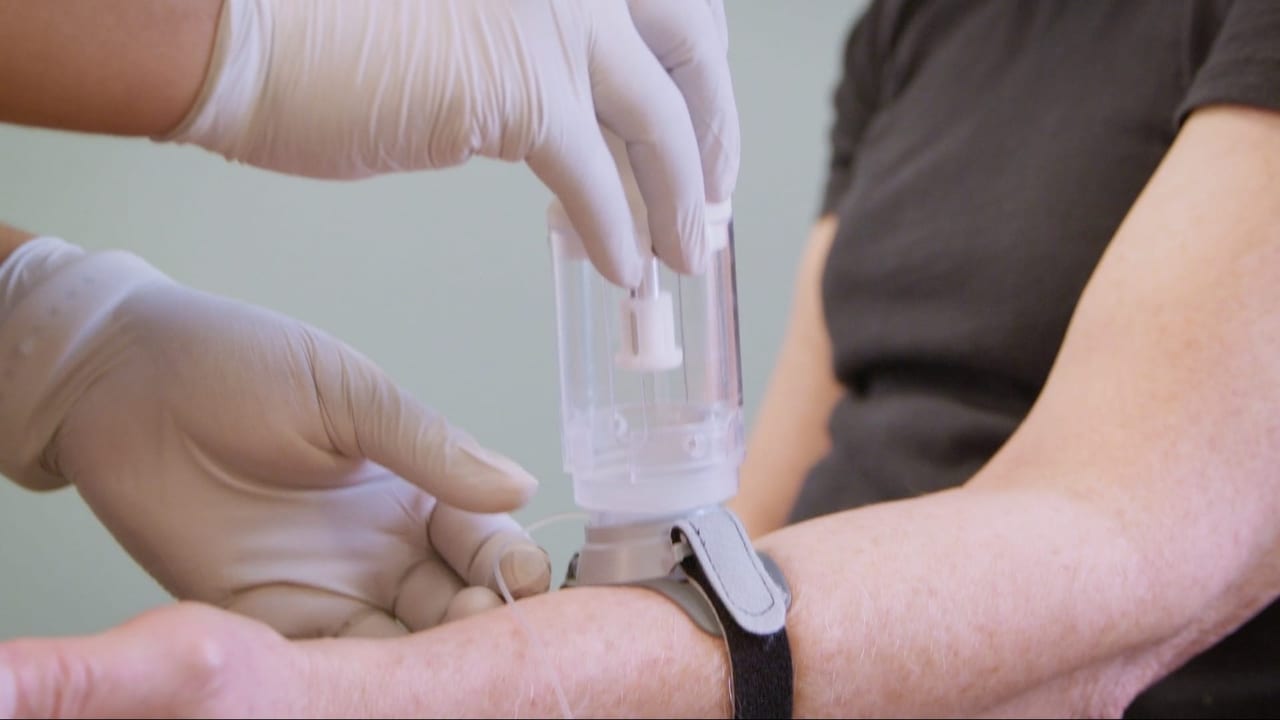
Interactive learning is most useful when it reduces risk, creates access, or makes complex context easier to understand. A safety team can show hazards before someone walks onto a floor. A university can help students picture a lab or campus environment. A healthcare or technical team can introduce a process before in-person practice. A company can train distributed employees with a consistent experience instead of relying on whoever happens to lead the walkthrough.
The value is not novelty. The value is repeatability, clarity, and a stronger sense of place.
Keep the experience comfortable and purposeful.
The best immersive learning pieces are designed around the viewer's attention and comfort. That means avoiding unnecessary camera movement, giving people time to orient themselves, keeping instructions short, and using graphics or voiceover only when they help the learner understand what to notice. A VR training piece can feel impressive and still fail if the viewer does not know where to look or why the moment matters.
It also helps to plan the experience in reusable modules. A facility walkthrough might become an orientation asset, a safety refresher, a recruiting tool, and a stakeholder preview if the content is structured well. That is where interactive production starts to become more than a one-off experiment. The same footage can support training, sales, onboarding, accessibility, and internal communications when the team knows those uses before the shoot.
What to ask before building one.
Before committing to VR or 360 video, define the audience, the platform, the viewing device, the learning goal, the required interactions, the approval process, and the way success will be measured. If the experience only needs to explain an idea, an explainer video may be the better tool. If the viewer needs to inspect an environment, practice recognition, or understand a space, interactive 360 video or VR video production may be worth the extra planning.
For ECG, the best immersive projects are the ones where the format earns its keep. The finished piece should make training clearer, safer, easier to repeat, and more memorable because the viewer can experience the subject in a way a normal frame would flatten.