Learn practical, production-tested techniques for lighting night car scenes using ikan gear. ECG Productions breaks down sourcing, battery-powered setups, and color matching for
This article helps video producers and filmmakers decide how to plan, light, and execute a night car scene efficiently using portable LED lighting and smart sourcing techniques.
Understanding the Lighting Challenge of Night Car Scenes
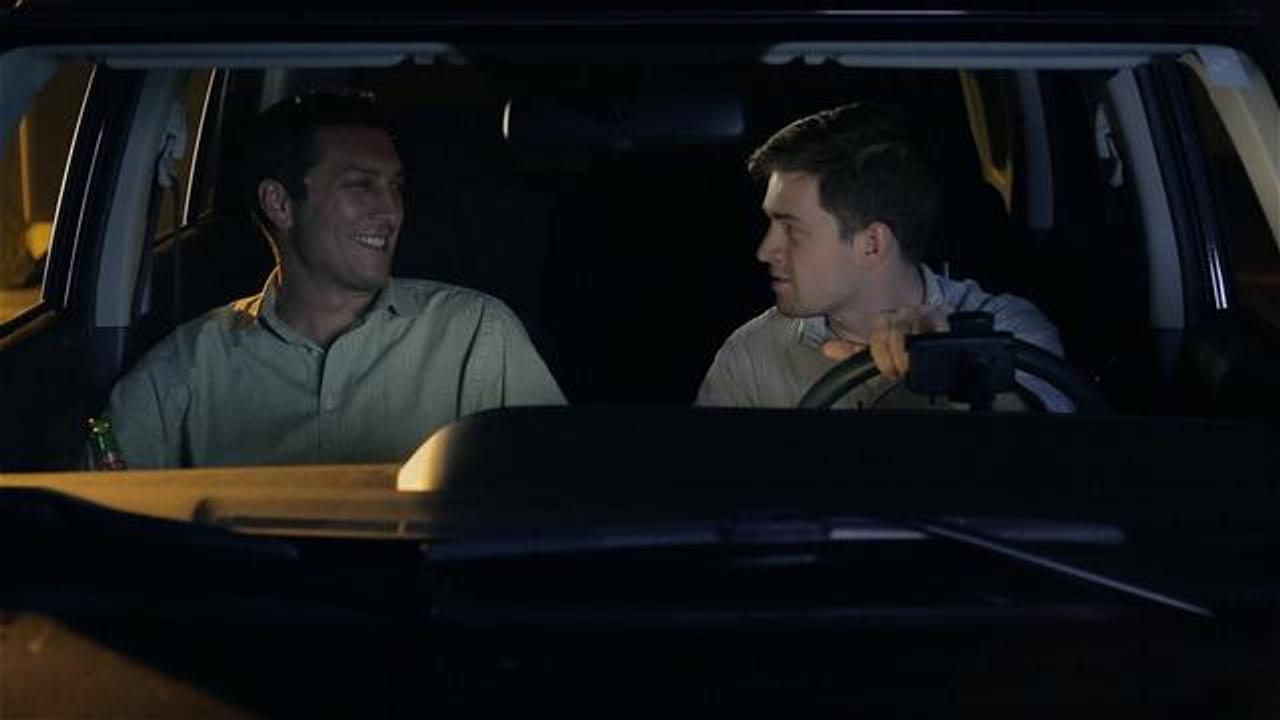
Lighting a car scene at night is a unique production challenge. Natural light is minimal, and the confined space inside the vehicle limits your options for placing lights without visible rigs. To create a believable, cinematic look, you need to carefully source existing environmental lights and supplement them with controlled, battery-powered LED fixtures. This approach ensures your scene feels authentic while giving you full creative control over exposure, color, and mood.
Step 1: Scout and Source Existing Lights
Before setting up any gear, walk the location to identify available light sources like street lamps, building lights, or neon signs. These lights serve as your scene’s natural sources and help justify your lighting choices on camera. Note their color temperature—warm tungsten, cool fluorescent, or daylight-balanced—to match your production lights accordingly. For example, ECG Productions matched a warm building lamp with an ikan IFB1024 set to 3200K, powered by a compact 190Wh battery for mobility.
Step 2: Creating the Moonlight with Color-Adjusted LEDs
Often, the moon isn’t visible or bright enough to light your scene. Instead, use a powerful LED panel like the ikan IDMX1500 to simulate moonlight. Color temperature control lets you dial in a cool blue tint that reads as moonlight on camera. Position the light out of frame but close enough to cast natural shadows and highlight your subjects. ECG’s team found that adjusting the distance and intensity of this 'moon' light was critical to avoid overexposure or underexposure, fine-tuning it by monitoring the live feed.
Step 3: Illuminating the Interior with Compact, Color-Adjustable Lights
Inside the car, ambient light is usually insufficient to see your actors clearly. Use small LED fixtures like the ikan iLED144, which fit discreetly on the dashboard or console. Their bi-color capability allows you to mimic dashboard glow or instrument panel colors without gels. This battery-powered setup keeps cables out of the shot and lets you quickly reposition lights as needed during coverage.
Step 4: Balancing and Refining the Scene
Add subtle fill lights to reduce harsh shadows and reveal details in the backseat or darker areas. ECG used an ikan iLED312 dimmed to a low level with barn doors to prevent spill. Throughout the shoot, continuously check your monitor and tweak light positions and intensities. Small adjustments can dramatically improve the scene’s depth and realism. Always keep your light sources off-camera and consistent with the scene’s logic.
Why Battery-Powered Lighting Matters in Mobile Setups
Using battery-powered LED lights eliminates the need for extension cords and generators, speeding up setup and reducing trip hazards on location. ECG’s use of ikan’s 190Wh batteries powered all lights for the entire shoot without swapping, allowing quick moves between shots. This flexibility is crucial when shooting in tight or unpredictable environments like parking lots or streets.
FAQ
What does 'sourcing' mean in lighting a car scene?
Sourcing means identifying and using existing environmental lights in your scene—like street lamps or building lights—as natural light sources. You then supplement these with your production lights to enhance exposure while maintaining a believable look.
Why use battery-powered LED lights for car scenes?
Battery-powered LEDs provide mobility and reduce cable clutter, which is essential in tight spaces like car interiors. They enable quick repositioning and longer shooting times without needing external power sources.
How do you simulate moonlight when there isn’t any?
You can simulate moonlight using a cool blue-tinted LED panel positioned off-camera. Adjust the intensity and distance to create natural shadows and highlights that read as moonlight on camera.
What should a team understand about HOW TO LIGHT A CAR WITH ikan AND ECG PRODUCTIONS?
The useful takeaway is how audience, creative direction, production choices, post-production, approvals, and delivery needs shape the final video plan.
Where should this kind of project start?
Start with the goal, audience, deadline, where the finished piece needs to live, and the practical constraints that will affect creative and production decisions.
How can ECG help with the next step?
ECG can help connect the creative idea to production planning, filming, post-production, versioning, and delivery so the finished work fits the channel and the audience.