Understand live captioning essentials for video production, including methods, challenges, and how to plan for accurate, real-time captions in your next live project.
Helps video producers and marketers decide how to integrate live captioning effectively into their live video productions.
Why Live Captioning Matters in Modern Video Production
Live captioning is no longer just a nice-to-have—it’s essential for accessibility, compliance, and audience engagement. Whether you’re producing a live news broadcast, a corporate event, or a streamed conference, captions ensure your message reaches viewers who are deaf or hard of hearing, non-native speakers, or those watching without sound. Planning live captioning early in your production process protects your content’s clarity and inclusivity.
How Live Captioning Differs from Post-Production Captions
Unlike pre-recorded video captions created during post-production, live captioning happens in real time. There’s no script to reference or time to edit. Captions must appear on screen within seconds of spoken words, demanding flawless coordination between production and captioning teams. This immediacy means you need specialized tools and skilled professionals who can handle the pressure without sacrificing accuracy.
Three Methods to Generate Live Captions
Live captions can be created through typing, stenocaptioning, or respeaking—all with their own pros and cons: - Typing involves a highly skilled captioner typing dialogue as it happens. It’s straightforward but demands extreme speed and accuracy. - Stenocaptioning uses a stenotype machine, allowing shorthand input that translates quickly into captions. This method is common in courtrooms and live broadcasts. - Respeaking combines human listening with voice recognition software. The captioner repeats the spoken words into software that converts speech to text, requiring precise voice commands for punctuation and formatting. Choosing the right method depends on your event’s scale, budget, and technical setup.
Planning Live Captioning Into Your Production Workflow
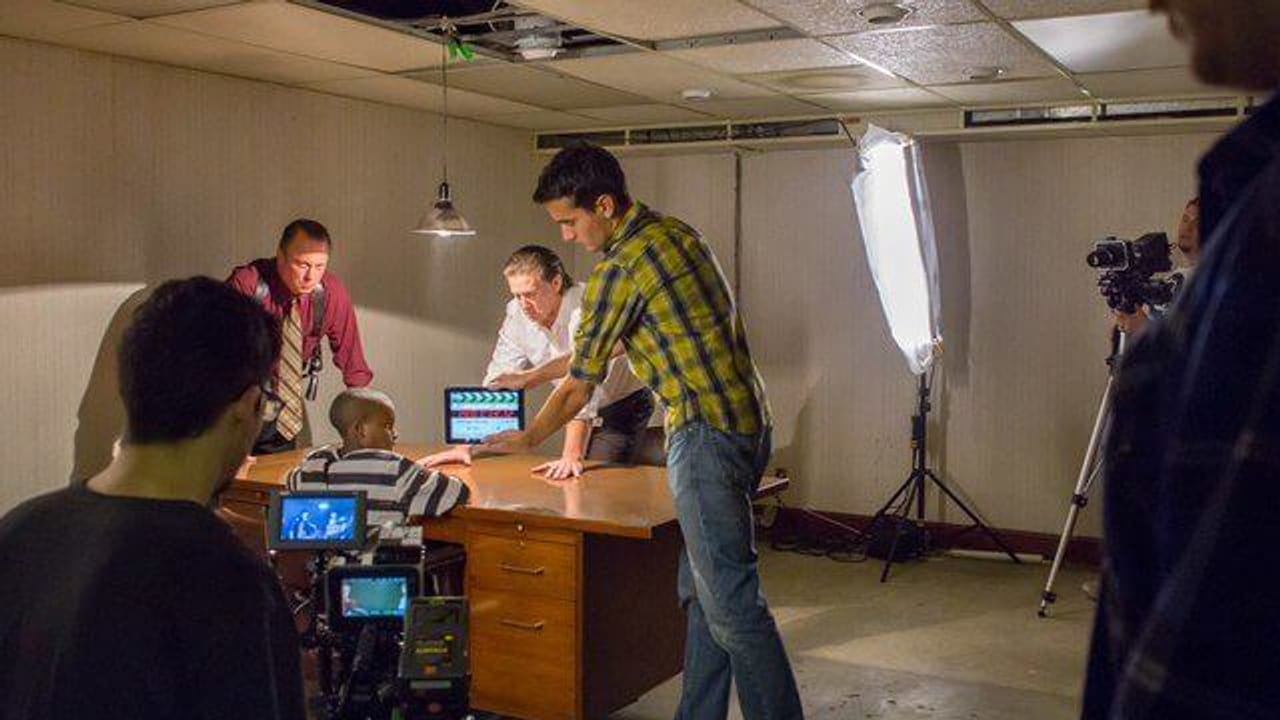
Integrating live captioning starts in pre-production. Coordinate with captioning providers early to understand technical requirements, such as audio feeds and caption encoding standards. During production, ensure clean audio capture and clear speech to minimize errors. Post-production may involve reviewing caption accuracy and embedding captions for archived content. Clear communication and defined handoffs between your production and captioning teams are critical for a seamless viewer experience.
Why Partnering with Captioning Experts Makes the Difference
Live captioning is a high-stakes, detail-driven process. Errors or delays can confuse viewers and undermine your message. Working with experienced captioning professionals ensures your live content is accessible and polished. ECG Productions brings proven expertise in managing live caption workflows, coordinating with production teams, and delivering captions that meet industry standards. Contact us to discuss how we can support your next live project with reliable, high-quality captioning.
FAQ
What is the difference between open and closed captions?
Open captions are permanently visible on the video and cannot be turned off, while closed captions can be toggled on or off by the viewer, providing flexibility and accessibility.
Can live captioning handle multiple speakers and background noise?
Yes, but it requires skilled captioners and high-quality audio feeds to accurately distinguish speakers and minimize errors caused by background noise.
How do I prepare my live event for captioning?
Plan early by coordinating with your captioning provider, ensure clear audio capture, provide scripts or speaker lists if possible, and test technical setups during rehearsals.
What should a team understand about What is Live Captioning?
The useful takeaway is how audience, creative direction, production choices, post-production, approvals, and delivery needs shape the final video plan.
Where should this kind of project start?
Start with the goal, audience, deadline, where the finished piece needs to live, and the practical constraints that will affect creative and production decisions.
How can ECG help with the next step?
ECG can help connect the creative idea to production planning, filming, post-production, versioning, and delivery so the finished work fits the channel and the audience.