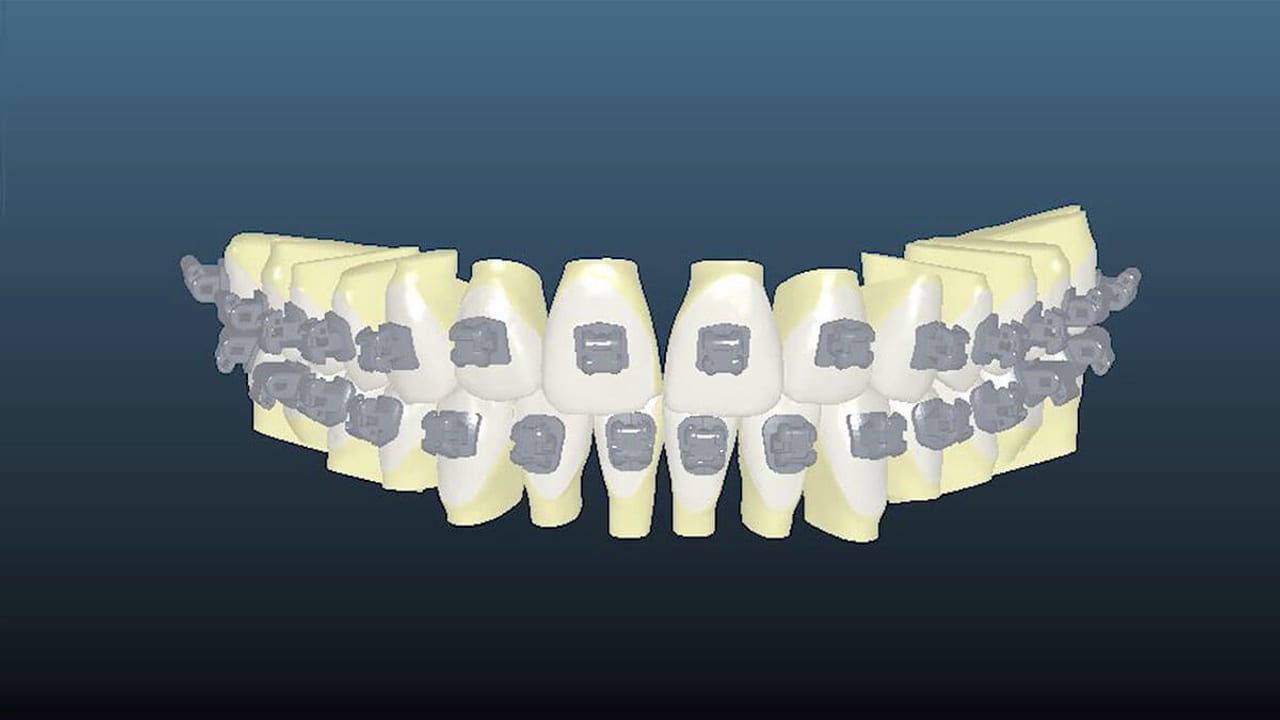
Discover how to plan, produce, and deliver motion graphics that enhance storytelling clarity, using Forbes Luxe 11 - Open as a production example from ECG Productions.
Help readers decide how to integrate motion graphics effectively into their video projects to improve communication and production outcomes.
Why Motion Graphics Should Prioritize Clarity Over Style
In video production, motion graphics are more than decoration—they’re a tool to make complex ideas clear and memorable. The Forbes Luxe 11 - Open sequence shows how animation and motion design can simplify information that live action alone might complicate. When planning your project, focus first on how motion can clarify the message rather than just add visual flair. This means defining what needs to be explained and how movement can guide the viewer’s understanding without distraction.
Separating Visual Style from Communication Goals
A common pitfall in motion graphics production is prioritizing style over substance. Before locking into a look, establish the communication objectives: Who is the audience? What must they understand? What brand rules apply? What is the runtime and approval process? In Forbes Luxe 11 - Open, the design choices support these fundamentals, ensuring the animation solves the communication problem rather than overshadowing it. Clear brand guidelines and a defined approval path keep the project on track and aligned with strategic goals.
How ECG Helps You Choose the Right Motion Approach
Not all projects require the same motion graphic techniques. ECG Productions advises clients on whether a project calls for 2D animation, 3D modeling, live action combined with graphics, or a simpler edit with strong visual support. For example, Forbes Luxe 11 - Open blends motion graphics seamlessly with live footage to enhance storytelling. We guide you through these choices based on your content, audience, budget, and timeline, ensuring your production plan maximizes impact without unnecessary complexity.
Key Questions to Define Before Production Begins
Effective production starts with practical questions: Who needs to care about this video? What do they already know? What must the video prove or explain? Where will the video be viewed? Who approves the final cut? What defines success beyond just finishing the project? Addressing these questions early shapes the motion graphics strategy and helps avoid costly revisions later. For Forbes Luxe 11 - Open, answering these questions informed pacing, tone, and animation levels that matched audience expectations and brand standards.
Making the First Conversation Count
Your first call with a production partner sets the tone for a smooth process. Bring your goals, audience insights, deadlines, existing assets, brand rules, and deliverables to the table. The more detailed your brief, the better ECG can recommend the right production path, post-production workflow, and portfolio examples to review. This approach leads to smarter decisions and a finished piece that feels purposeful, polished, and effective—not just done.
FAQ
What are the main benefits of using motion graphics in video production?
Motion graphics help clarify complex information, engage viewers, and reinforce brand messaging by combining animation, text, and visuals in a dynamic way.
How do I decide between 2D and 3D motion graphics for my project?
Choosing between 2D and 3D depends on your story’s complexity, visual style preferences, budget, and how the graphics will interact with live footage or other elements.
What should I prepare before starting a motion graphics project with a production company?
Prepare a clear brief including your target audience, key messages, brand guidelines, existing assets, deadlines, approval process, and desired deliverables to ensure a focused production plan.
What should a team understand about Forbes Luxe 11 - Open?
The useful takeaway is how audience, creative direction, production choices, post-production, approvals, and delivery needs shape the final video plan.
Where should this kind of project start?
Start with the goal, audience, deadline, where the finished piece needs to live, and the practical constraints that will affect creative and production decisions.
How can ECG help with the next step?
ECG can help connect the creative idea to production planning, filming, post-production, versioning, and delivery so the finished work fits the channel and the audience.