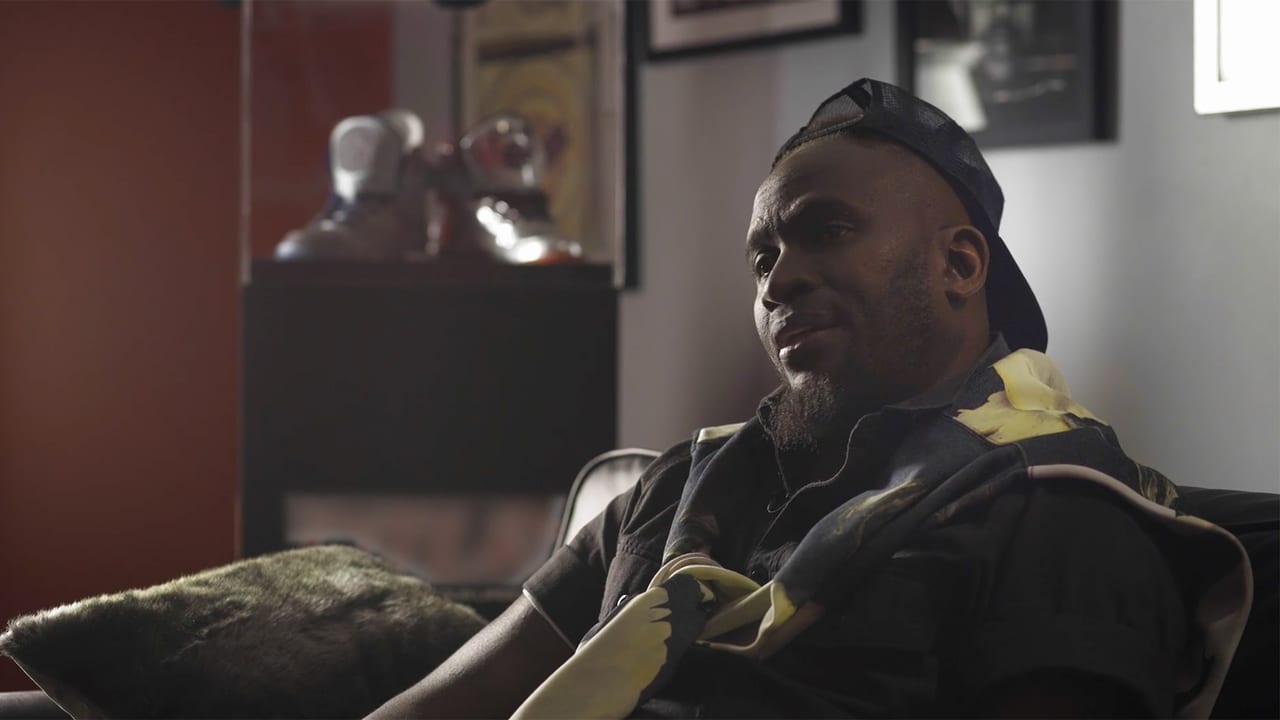
Learn how to strategically plan and produce a company overview or client pitch video that connects with your audience, showcases your brand, and drives results.
Helps marketing and production teams decide how to plan and produce a company overview or client pitch video that effectively reaches the right audience and achieves business goals.
Start with a Clear Production Goal
Before you roll camera on a company overview or client pitch video, nail down exactly what the video needs to do. Who is the audience? What do they already know? What key message or proof points must the video deliver? Are you aiming to build trust, explain your services, or close a deal? Defining this upfront shapes every production choice—from script and interview questions to locations and b-roll. Without a clear goal, you risk a generic video that doesn’t connect or convert.
Connect Story and Strategy to Production Planning
Once the goal is set, translate it into a production plan that aligns story beats with practical shoot logistics. For example, if you want to highlight your company’s innovation, plan interviews with key team members alongside dynamic b-roll of your workspace and products in action. Choose camera gear and lighting setups that reflect your brand’s tone—whether polished and cinematic or authentic and approachable. At ECG, we often combine high-end cameras like the RED Monstro 8K with dependable Blackmagic Ursa Mini Pro to balance cinematic quality with efficient shooting.
Design a Review and Approval Workflow
A smooth review and approval process is critical to keep your project on schedule and on budget. Identify who will approve scripts, rough cuts, and final edits early. Set clear deadlines and feedback rounds to avoid scope creep. Using collaborative tools for sharing edits and comments helps stakeholders stay aligned and speeds decision-making. This clarity ensures the final video feels successful—not just finished.
Leverage Brand Assets and Motion Graphics
Incorporate your existing brand assets—logos, color palettes, fonts—into motion graphics and lower thirds to reinforce brand recognition. Thoughtful color grading and sound design elevate the video’s polish and emotional impact. For H&W Printing, we created sleek motion graphics using their brand elements and applied an inviting color grade that supported their industrious, innovative image. These details help your video stand out and feel cohesive.
Plan for Distribution and Measure Success
Where and how the video will be seen influences production and post-production decisions. A video for a live pitch meeting may prioritize concise, impactful storytelling, while one for social media might need shorter cuts and subtitles. Define your distribution channels early and tailor edits accordingly. After launch, track engagement metrics and feedback to evaluate if the video met its goals and inform future projects.
FAQ
What is the difference between a company overview video and a client pitch video?
A company overview video introduces your brand, values, and capabilities broadly, while a client pitch video is tailored to a specific prospect or opportunity, focusing on why your services are the right fit for their needs.
How do I ensure my video resonates with the target audience?
Start by defining who the audience is and what they care about. Use messaging and visuals that address their pain points, aspirations, and decision criteria. Including authentic interviews and relevant b-roll helps build trust and engagement.
What role does motion graphics play in corporate videos?
Motion graphics enhance storytelling by visually reinforcing key messages, displaying data clearly, and adding polish. They also help integrate brand identity elements seamlessly throughout the video.
What should a team understand about H&W Printing | Company Overview / Client Pitch Video?
The useful takeaway is how audience, creative direction, production choices, post-production, approvals, and delivery needs shape the final video plan.
Where should this kind of project start?
Start with the goal, audience, deadline, where the finished piece needs to live, and the practical constraints that will affect creative and production decisions.
How can ECG help with the next step?
ECG can help connect the creative idea to production planning, filming, post-production, versioning, and delivery so the finished work fits the channel and the audience.