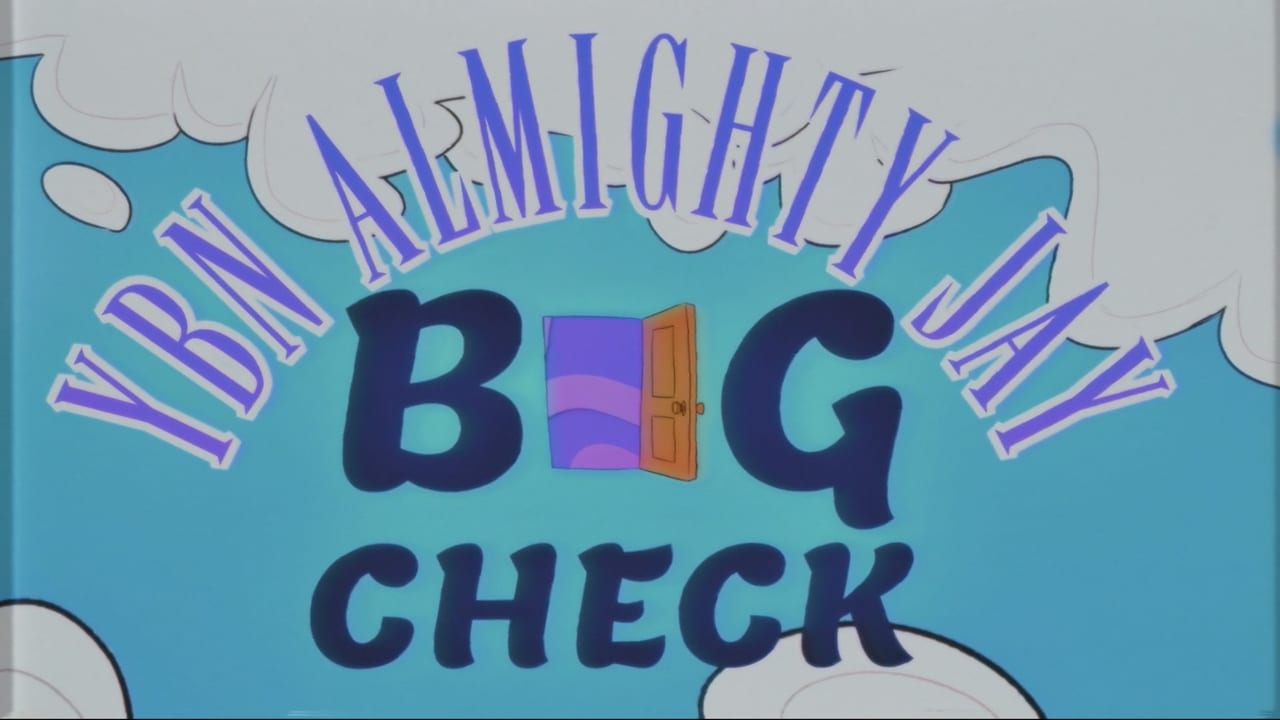
New tools are useful only when the idea is clear.
Animation, motion graphics, VFX, and AI-assisted production can help explain what live action cannot, but they work best when the message, style, accuracy needs, and approval path are clear.
Learning
Discover why animation transforms training videos by simplifying complex topics, boosting engagement, and improving retention. Learn practical tips and real-world examples.
 Written byECG ProductionsECG Productions Editorial Team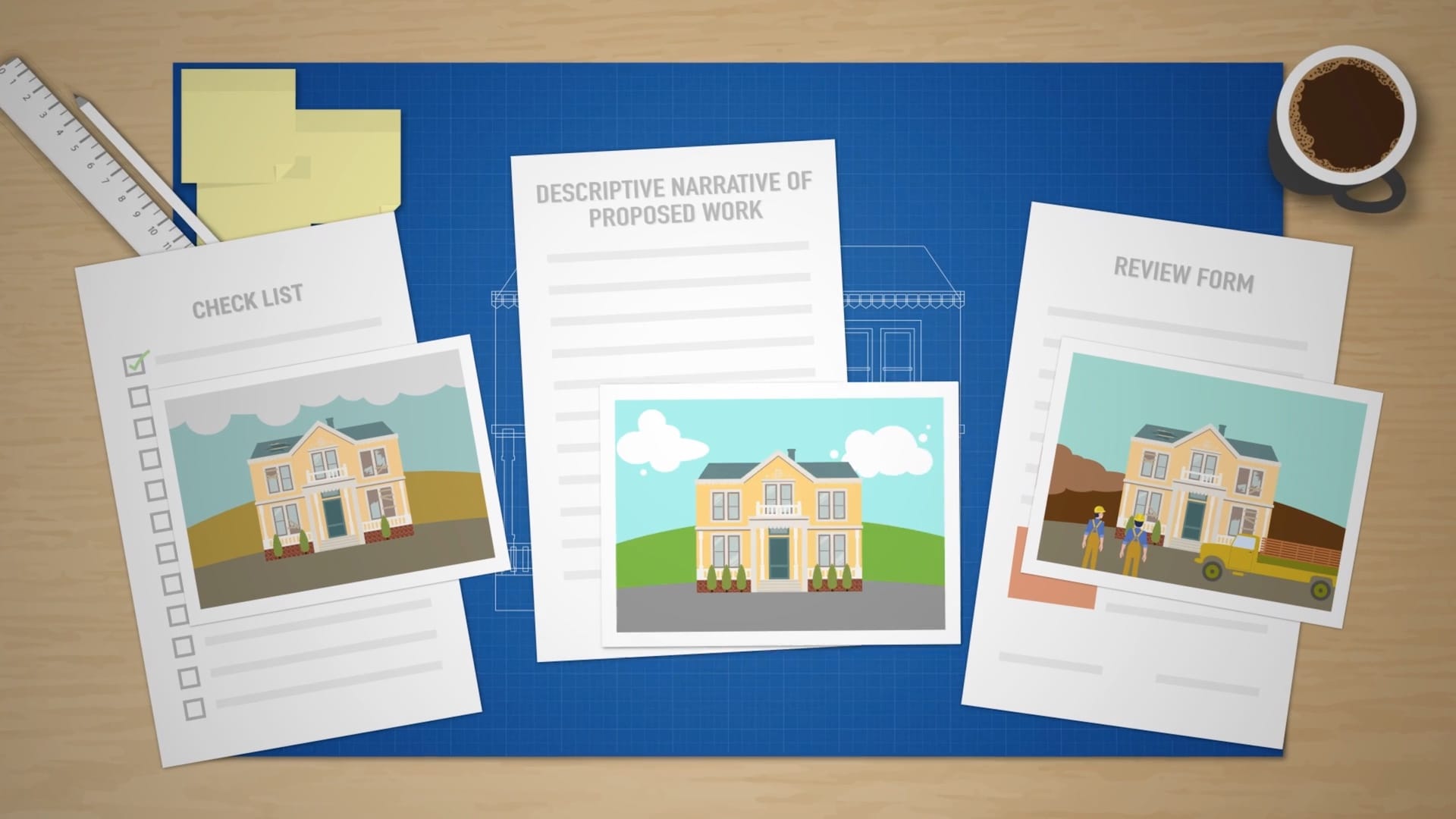
Animation
Motion, animation, and visual storytelling context for clearer communication.
Motion Context
Animation, VFX, and motion graphics are strongest when they make an idea easier to understand, remember, or approve. The style matters, but the communication problem comes first.
Animation, motion graphics, VFX, and AI-assisted production can help explain what live action cannot, but they work best when the message, style, accuracy needs, and approval path are clear.
Motion is useful when it makes the idea easier to understand, easier to remember, or easier to approve, instead of simply making the page feel busier.
A better motion conversation includes brand assets, visual references, technical accuracy requirements, runtime, platform specs, and examples that define what belongs outside the look.
Article
Discover why animation transforms training videos by simplifying complex topics, boosting engagement, and improving retention. Learn practical tips and real-world examples.
Help readers decide when and how to integrate animation into training videos to maximize clarity, engagement, and learner retention.
Training videos often tackle complex subjects that can overwhelm or bore viewers. Animation breaks down these challenges by visualizing abstract ideas, processes, and environments that live action can’t easily capture. It turns dense information into clear, digestible visuals, helping learners grasp concepts faster and remember them longer. For example, animated diagrams can simplify software workflows or safety protocols, while character animation can humanize scenarios for better emotional connection. ECG has observed that pairing animation with narration can boost retention and engagement, making it a strategic tool—not just a style choice.
Not every training video needs full animation, but certain scenarios benefit greatly: software tutorials, compliance and cybersecurity training, emergency procedures, product assembly instructions, and scenario-based simulations. Animation allows you to create controlled, consistent visuals that can be updated easily without costly reshoots. For instance, when training technicians on new equipment, animated overlays can highlight parts and steps clearly. ECG’s portfolio includes projects where animation helped visualize inaccessible environments like labs or digital interfaces, making complex training accessible and scalable for global teams.
To maximize animation’s impact, keep visuals simple and consistent. Avoid overwhelming viewers with too many styles or excessive movement. Pair animation tightly with clear narration and use motion text or captions to reinforce key points and support accessibility. Match the animation style to your audience and subject—clinical and clean for medical training, or friendly and branded for retail onboarding. Investing in professional-quality motion graphics is critical; cheap animation can undermine your brand’s credibility and the learner’s trust. ECG’s approach focuses on tailored animation that supports learning objectives without distraction.
Animation doesn’t have to stand alone. It can complement live-action footage by illustrating concepts that are difficult or expensive to film. For example, a safety training video might combine real workers on site with animated callouts highlighting hazards or procedures. ECG often blends animation with live action to create dynamic, layered content that keeps viewers engaged and reinforces learning. This hybrid approach also allows for flexible updates—animated segments can be revised independently of live footage, saving time and budget in ongoing training programs.
At ECG Productions, we’ve delivered animated training videos across healthcare, automotive, SaaS, government, and education sectors. One federal agency project featured fully animated scenario-based training with custom characters and interactive branching, resulting in higher engagement and completion rates. Our clients value animation for making complex, compliance-heavy content accessible and memorable. We guide each project through strategy, pre-production, animation, and post-production to ensure the final video meets learning goals and brand standards—helping training truly stick.
Animation works best for explaining complex processes, illustrating abstract concepts, demonstrating software workflows, showing safety procedures, and creating scenario-based simulations. It’s especially useful when live filming is impractical or costly.
Animation paired with narration engages multiple senses, helping viewers process and remember information better. Visual storytelling breaks down complex ideas into manageable parts, making training content easier to understand and recall.
Both approaches are valid. Fully animated videos offer flexibility and control, while mixing animation with live action can add realism and context. The choice depends on your training goals, budget, and the nature of the content.
The useful takeaway is how audience, creative direction, production choices, post-production, approvals, and delivery needs shape the final video plan.
Start with the goal, audience, deadline, where the finished piece needs to live, and the practical constraints that will affect creative and production decisions.
ECG can help connect the creative idea to production planning, filming, post-production, versioning, and delivery so the finished work fits the channel and the audience.
Visual Context
Articles perform better when readers can see what the thinking points toward. This visual break connects the topic to ECG production, post-production, real examples, and the next practical decision instead of leaving the page as a long read with no visual rhythm.
See related workArticle FAQ
These answers add practical context for the decisions that usually sit behind animation work: scope, timing, creative direction, production approach, and what the finished piece needs to accomplish.
Animation works best for explaining complex processes, illustrating abstract concepts, demonstrating software workflows, showing safety procedures, and creating scenario-based simulations. It’s especially useful when live filming is impractical or costly.
Animation paired with narration engages multiple senses, helping viewers process and remember information better. Visual storytelling breaks down complex ideas into manageable parts, making training content easier to understand and recall.
Both approaches are valid. Fully animated videos offer flexibility and control, while mixing animation with live action can add realism and context. The choice depends on your training goals, budget, and the nature of the content.
The useful takeaway is how audience, creative direction, production choices, post-production, approvals, and delivery needs shape the final video plan.
Start with the goal, audience, deadline, where the finished piece needs to live, and the practical constraints that will affect creative and production decisions.
ECG can help connect the creative idea to production planning, filming, post-production, versioning, and delivery so the finished work fits the channel and the audience.
Next Step
When an article sounds like your project, compare the relevant service path and nearby work before you make a production decision.
Read Next
Production
Production
How To Create Effective Training Videos is a production read about what needs to be planned, captured, protected, and handed to post so the finished piece has a real chance to work.
Read article
Production
Production
Maximizing Learner Engagement in Training Videos is a production read about what needs to be planned, captured, protected, and handed to post so the finished piece has a real chance to work.
Read article
Production
Production
Utilizing Interactive Elements in Training Videos is a production read about what needs to be planned, captured, protected, and handed to post so the finished piece has a real chance to work.
Read article
Animation
Animation
How Unlocking the Potential of Animation Marketing Videos can make complex ideas clearer, more memorable, and easier for the audience to follow.
Read article
Production
Production
A clear-eyed guide to the money side of production: what drives scope, where costs hide, and how better planning protects the final piece.
Read article
Production
Production
A clear-eyed guide to the money side of production: what drives scope, where costs hide, and how better planning protects the final piece.
Read articleKeep Exploring
Related services, examples, and deeper reads add context around the creative choices, production decisions, and tradeoffs behind this topic.
Services
These service paths show where the production, post, animation, or package conversation usually goes next.
Service
AI video creation support for teams that want to use generative tools responsibly without sacrificing strategy, production judgment, brand trust, or visual quality.
Open pageService
Healthcare video production for hospitals, practices, health brands, and medical organizations that need clear, credible, human communication without losing accuracy...
Open pageService
Corporate video production for companies that need people to understand the business, trust the message, and use the finished video across sales, recruiting, interna...
Open pageService
2D Animation from ECG Productions helps explain, visualize, and polish ideas that need designed motion instead of live action alone.
Open pageWork
These examples show what the service, article, or category can look like in finished work.
2D and 3D Animation
Arby’s | Arby’s Foundation Impact shows how designed motion can make an idea clearer, more memorable, and easier to follow. It helps teams compare script clarity, st...
Open page2D and 3D Animation
The Arthur M. Blank Hospital: Amazing News From CHOA shows how designed motion can make an idea clearer, more memorable, and easier to follow. It helps teams compare...
Open pageBranded Content
Hello My Name Is… | A Musical Exploration is story-led brand work, which means the finished piece has to show more than polish. The important read is how the brand,...
Open pageRelated articles
These pieces add context around process, budget, creative choices, common mistakes, and what to ask next.
Animation
How Dissecting the Production of an Animated Film can make complex ideas clearer, more memorable, and easier for the audience to follow.
Open pageAnimation
How Motion Tracking in More Ways Than One can make complex ideas clearer, more memorable, and easier for the audience to follow.
Open pageAnimation
How Tsunami Tuna Motion Capture can make complex ideas clearer, more memorable, and easier for the audience to follow.
Open pageStrategy
Animation vs Live Action | How to Choose the Right Format for Your Video is a strategy read for teams deciding who the video needs to reach, what it needs to say, wh...
Open pageNext step
When this starts to sound like your situation, bring ECG the goal and the constraints.
Share This Article
Share the article, project, or service page with a teammate, client, producer, or stakeholder who needs the context before the next decision.