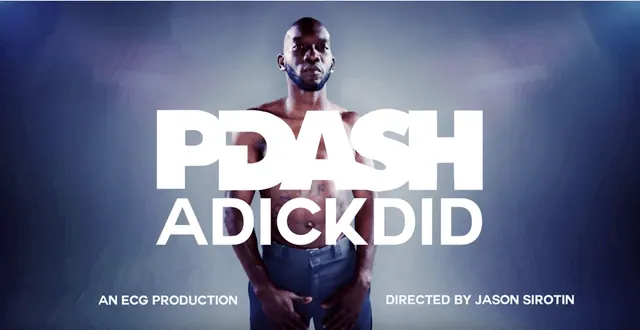
Understand why quality music videos require budgets beyond $500, what drives costs, and how smart planning ensures your video delivers value and impact.
Helps readers decide how to set realistic budgets and expectations for music video production.
Why a $500 Music Video Isn’t Realistic
Many artists start with a tight budget and dream of a professional music video for $500 or less. The reality is that producing a quality music video involves multiple layers of work—pre-production planning, professional crew, equipment rental, location fees, production days, post-production editing, color grading, sound mixing, and delivery. Even the simplest shoot requires a baseline investment to cover these essentials. Expecting a polished, engaging video for $500 often leads to compromises that affect the final quality and your video’s ability to connect with audiences.
How Budget Shapes Your Music Video Concept
Your budget directly influences the creative scope of your video. Simple concepts like performance shots or single-location shoots are more achievable on modest budgets. Complex ideas involving multiple locations, special effects, choreography, or elaborate wardrobe quickly increase costs. Early in the process, aligning your vision with your budget helps avoid costly mismatches. Production teams can then tailor concepts that maximize your available funds while maintaining professional standards.
The Hidden Costs: Locations, Gear, and Crew
Locations are often underestimated in cost. Even if a venue is free, there are expenses for permits, insurance, setup, and cleanup. Professional camera and lighting gear rentals add significant value but come with daily rates. Skilled crew members—directors, camera operators, grips, gaffers, and editors—bring expertise that ensures your video looks and sounds great, but they require fair compensation. These elements combined mean that a $500 budget covers only a fraction of what’s needed for a polished production.
Post-Production: The Final Polish That Costs Time and Money
Editing, color correction, sound mixing, and visual effects are critical steps that transform raw footage into a compelling story. Post-production requires specialized software, experienced editors, and time—often several days or weeks depending on complexity. Skimping here results in videos that feel unfinished or amateurish. Allocating budget for post-production ensures your video’s pacing, look, and audio quality meet professional standards and audience expectations.
Planning Your Music Video Budget with ECG Productions
At ECG Productions, we help artists and brands understand where their money goes and how to get the most from their budget. We start by listening to your music and discussing your vision, then provide transparent, realistic budget options tailored to your goals. Whether you’re aiming for a simple performance video or a cinematic production, our expertise ensures your investment delivers a video that supports your music’s success. Explore our services, view our portfolio, and contact us to start planning your project with confidence.
FAQ
Why can’t a professional music video be made for $500?
Producing a professional music video involves many costs including crew, equipment, locations, and post-production. A $500 budget typically covers only minimal expenses and compromises quality and production value.
What are the main factors that drive music video costs?
Key cost drivers include the complexity of the concept, number and type of locations, quality and quantity of gear, crew size and expertise, and the extent of post-production work.
How can I maximize my budget for a music video?
Start with a clear, realistic concept aligned with your budget, work with experienced producers who can tailor your project efficiently, and allocate funds for essential post-production to ensure a polished final product.
What should a team understand about Why Music Videos Don't Cost $500.00?
The useful takeaway is how audience, creative direction, production choices, post-production, approvals, and delivery needs shape the final video plan.
Where should this kind of project start?
Start with the goal, audience, deadline, where the finished piece needs to live, and the practical constraints that will affect creative and production decisions.
How can ECG help with the next step?
ECG can help connect the creative idea to production planning, filming, post-production, versioning, and delivery so the finished work fits the channel and the audience.