Discover seven actionable strategies to help creative professionals stay organized throughout production—from pre-production to delivery—so you can focus on storytelling and
Helps creative professionals decide how to implement effective organization strategies that improve production workflow and client outcomes.
Why Organization Is a Creative Skill You Can Master
Organization isn’t the enemy of creativity—it’s a skill that unlocks your best work. Many creatives believe that chaos fuels their ideas, but in reality, structured workflows free your mind to focus on storytelling and problem-solving. Whether you’re managing a video shoot, coordinating a campaign, or juggling client approvals, organization helps you reduce stress, avoid costly mistakes, and deliver on time. Think of it as a production tool just like your camera or editing software.
Timing Your Organizational Changes for Maximum Impact
Introducing new organizational habits works best when your schedule allows for focus and adjustment. For example, if your busiest season is approaching, don’t overhaul your entire project management system right before a major shoot. Instead, pick a quieter period—like a slow month or a gap between projects—to trial new tools or workflows. Track what frustrates you during your busiest days, then prioritize fixes that will save you the most time and headaches when production ramps up.
Tailoring Systems That Fit Your Creative Workflow
No single organizational method fits everyone. Some creatives thrive with detailed digital calendars and task apps; others prefer physical notebooks or whiteboards on set. The key is to experiment with different tools and processes during pre-production and post-production phases. For instance, try batching your approvals and feedback sessions to reduce back-and-forth or use cloud-based asset management to keep everyone on the same page. If something doesn’t work, analyze why and adjust rather than abandoning the effort.
Leverage Your Team and Technology to Stay on Track
If you’re feeling overwhelmed, don’t hesitate to delegate organizational tasks to team members who excel at them. Assign clear roles for managing schedules, gear checklists, or client communications. Additionally, invest in technology that automates repetitive tasks—like scheduling reminders, version control for edits, or backup workflows. Tools like project management platforms and digital asset libraries can streamline production and post-production, freeing you to focus on the creative direction.
Keep Efficiency Front and Center During Production
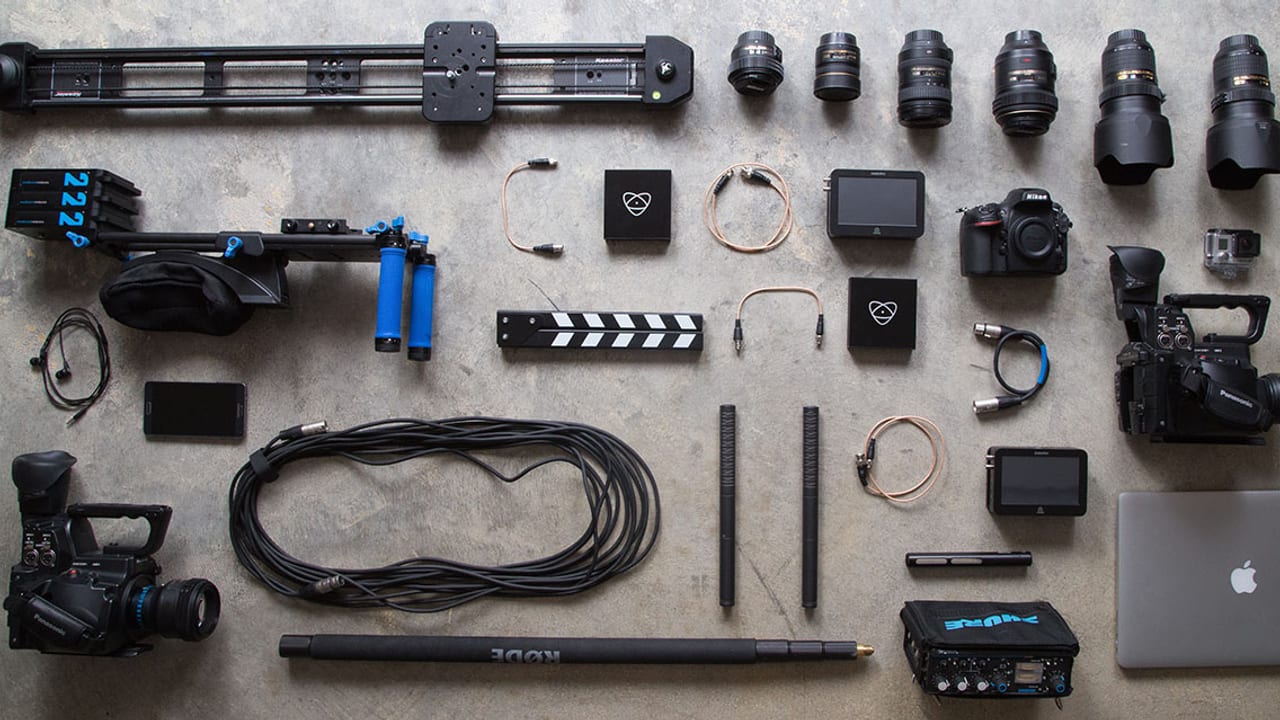
On set or in the edit suite, organization means having everything you need exactly when you need it. Designate specific storage for camera gear, lighting, and audio equipment so nothing goes missing mid-shoot. Use checklists to confirm all assets and approvals are ready before moving to the next phase. Efficient file naming and versioning during editing prevent confusion and rework. These small but critical habits reduce downtime and keep your project on schedule and budget.
FAQ
How can I start organizing my creative projects without feeling overwhelmed?
Begin by identifying your biggest pain points—whether it’s lost files, missed deadlines, or chaotic schedules. Pick one small area to improve, like implementing a simple project management tool or creating a gear checklist. Gradually build your system over time instead of trying to fix everything at once.
What tools do creative professionals use to stay organized during video production?
Popular tools include digital calendars, task management apps like Asana or Trello, cloud storage solutions such as Google Drive or Dropbox, and specialized production software for scheduling and asset management. The best tools fit your workflow and team size.
Can hiring an organizer really improve my production process?
Yes, bringing in someone skilled in organization can streamline workflows, reduce errors, and free up creative time. This could be a dedicated production coordinator or an external consultant who helps set up systems tailored to your team’s needs.
What should a team understand about 7 Ways to be an Organized Creative?
The useful takeaway is how audience, creative direction, production choices, post-production, approvals, and delivery needs shape the final video plan.
Where should this kind of project start?
Start with the goal, audience, deadline, where the finished piece needs to live, and the practical constraints that will affect creative and production decisions.
How can ECG help with the next step?
ECG can help connect the creative idea to production planning, filming, post-production, versioning, and delivery so the finished work fits the channel and the audience.