Discover practical steps to plan a recipe video that connects with your audience, aligns with your brand, and delivers measurable marketing results.
Help marketing and production teams decide how to plan and produce recipe videos that engage viewers and support campaign goals.
Start with the Audience and Purpose
Every successful recipe video begins with a clear understanding of who needs to watch it and why. Are you targeting home cooks looking for quick meal ideas, health-conscious consumers, or food enthusiasts seeking inspiration? Knowing your audience shapes the tone, pacing, and style of the video. Equally important is defining the video's purpose: Is it to drive brand awareness, encourage product trial, or support a seasonal campaign? This clarity guides every production decision from scripting to distribution.
Plan for Multiple Versions Before You Shoot
One finished video file rarely fits all marketing needs. Plan your deliverables early: a hero video for your website, shorter cutdowns for social media, vertical crops for stories, captioned versions for sound-off viewing, and thumbnail images for paid ads. This approach ensures your production and post teams capture the right shots and assets to create these versions efficiently, saving time and budget during editing.
Capture Visual Proof That Supports Your Message
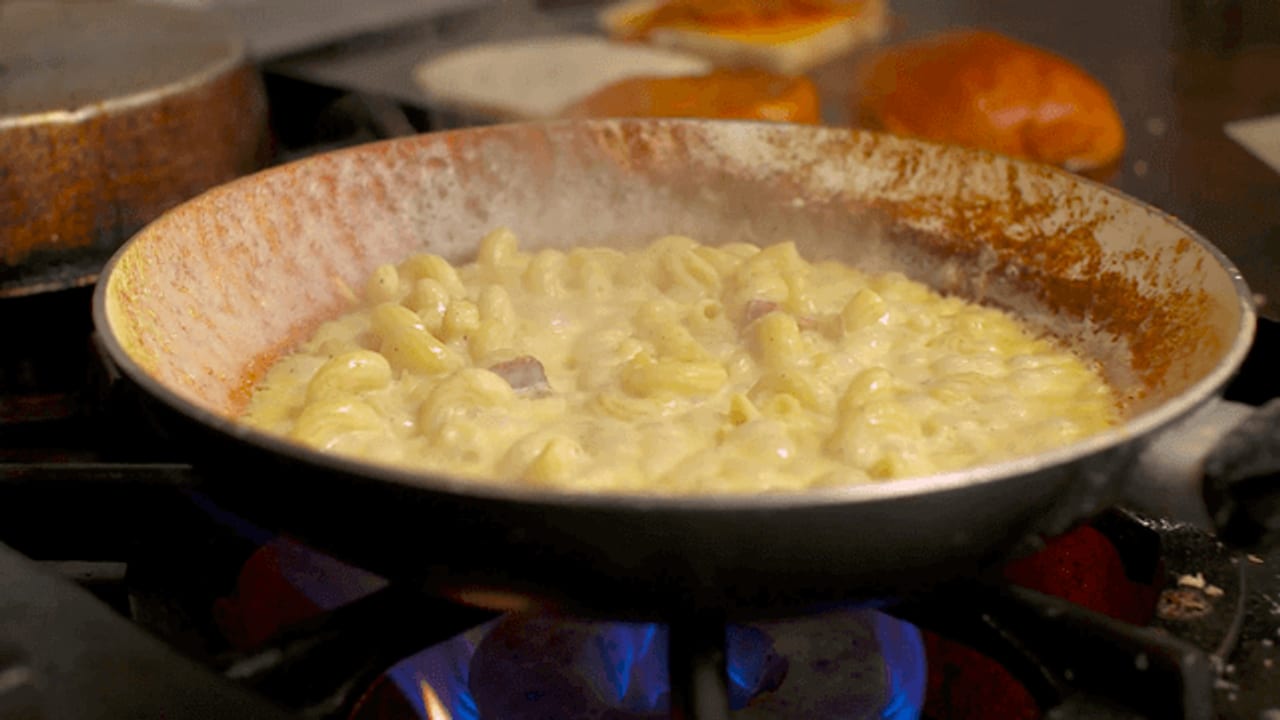
Recipe videos thrive on showing, not just telling. Focus on close-ups of key steps, ingredient textures, and the final plated dish to build trust and appetite appeal. Use consistent lighting and color grading to maintain brand polish. If your video includes voiceover or on-camera talent, ensure the narration is clear and complements the visuals without overwhelming them. Sound design—like sizzling or crunching—can add sensory depth but should be balanced in post-production.
Coordinate Approvals and Feedback Early
Identify who will approve the video and at which stages—script, rough cut, final edit—to avoid last-minute surprises. Share clear reference videos or style guides to align expectations. Structured feedback cycles with deadlines keep the project on track and help the post team deliver a polished final product that meets brand standards and campaign goals.
Leverage ECG’s Integrated Production Expertise
ECG Productions specializes in connecting creative strategy, production, and post to deliver recipe videos that work hard for your brand. From pre-production planning and on-set direction to editing, color correction, and multi-format delivery, we tailor each step to your marketing objectives. Explore our portfolio to see how we bring food stories to life and contact us to start planning your next recipe video.
FAQ
What should I consider when choosing the style of a recipe video?
Consider your target audience’s preferences, your brand’s personality, and where the video will be viewed. For example, fast-paced, visually dynamic styles work well on social media, while detailed, step-by-step formats suit website tutorials.
How many versions of a recipe video should I plan for?
Plan for at least three: a full-length hero video, shorter cutdowns for social media, and vertical or square crops for stories and ads. Adding captioned versions is also essential for accessibility and sound-off environments.
How can I ensure smooth approvals during production?
Clarify who needs to approve each stage upfront, provide clear style references, and set deadlines for feedback. This structured approach minimizes delays and ensures the final video aligns with expectations.
What should a team understand about NPB Recipe Video | Spiced Peanuts 3 Ways?
The useful takeaway is how audience, creative direction, production choices, post-production, approvals, and delivery needs shape the final video plan.
Where should this kind of project start?
Start with the goal, audience, deadline, where the finished piece needs to live, and the practical constraints that will affect creative and production decisions.
How can ECG help with the next step?
ECG can help connect the creative idea to production planning, filming, post-production, versioning, and delivery so the finished work fits the channel and the audience.