Learn practical video production lessons from Kimley-Horn’s ACEC Georgia Grand Prize-winning project, including strategy, shoot planning, editing priorities, and approvals.
This article helps marketing and production teams decide how to plan and execute a strategic video shoot that protects the edit and meets stakeholder goals.
Why Kimley-Horn’s ACEC Georgia Video Is More Than an Award Winner
Winning the 2018 ACEC Georgia Grand Prize, Kimley-Horn’s video stands out not just for its polish but for the production strategy behind it. The project captures the pride and complexity of delivering a major construction project like Truist Park and the Battery Atlanta. Beyond the visuals, it’s a masterclass in aligning production decisions with the story’s needs, audience expectations, and final delivery requirements.
Start with Clear Production Strategy: Know Your Audience and Goals
Before the cameras roll, define who the video is for, what it must communicate, and where it will live. Kimley-Horn’s video targeted stakeholders who value engineering excellence and community impact. This clarity shaped every production choice—from interview questions to locations and the pacing of time-lapse sequences. Naming the audience and goals upfront prevents wasted footage and ensures the story stays focused.
Plan the Shoot to Protect the Edit
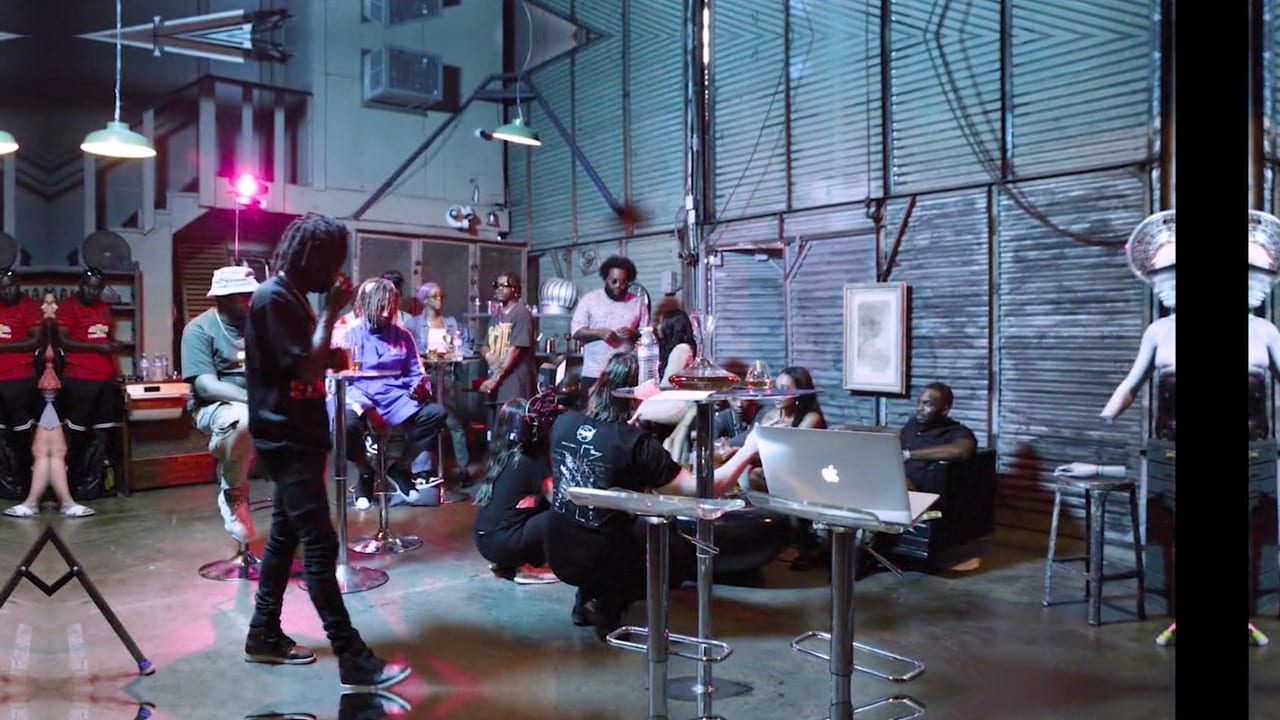
A key lesson from the Kimley-Horn project is that the shoot must serve the edit. That means anticipating what shots, sound bites, and B-roll the editor will need to tell a coherent story. For example, capturing hypnotic time-lapses of construction wasn’t just artistic—it provided essential visual rhythm. Production teams should map out interview setups, lighting, sound risks, and schedule buffers to avoid surprises that complicate post-production.
Use Post-Production to Elevate Story and Brand
Kimley-Horn’s video was shot in 4K on a Canon C200, but the magic happened in post. Colorist Jenn Lee’s grade gave the footage a polished, consistent look that elevated the brand’s professionalism. Thoughtful editing choices—like pacing, sound design, and integrating interviews with visuals—turned raw footage into a compelling narrative. Plan post-production early and keep communication open between editors, colorists, and producers to maintain story continuity.
Keep Approvals and Deliverables Clear and Efficient
Complex projects like this require clear approval workflows and defined deliverables. Knowing who signs off on the final cut, what formats are needed, and deadlines helps avoid last-minute changes. Kimley-Horn’s team benefited from early conversations about these details, enabling ECG to tailor production and post plans accordingly. Establishing this framework upfront keeps projects on time and on budget.
FAQ
How do I ensure my video shoot supports the editing process?
Plan your shoot with the edit in mind by identifying all needed shots, soundbites, and B-roll ahead of time. Communicate these needs clearly with your crew and schedule enough time to capture quality footage that tells a cohesive story.
What are the key pre-production questions to ask before filming?
Ask who your audience is, what the video must prove, where it will be distributed, who approves it, and what success looks like. Clarifying these points shapes your crew, gear, schedule, and shoot approach.
Why is color grading important for branded videos?
Color grading creates a consistent, polished look that enhances your brand’s professionalism and emotional tone. It helps unify diverse footage and can subtly guide viewer perception.
What should a team understand about ACEC Georgia | Grand Prize Winner Kimley-Horn?
The useful takeaway is how audience, creative direction, production choices, post-production, approvals, and delivery needs shape the final video plan.
Where should this kind of project start?
Start with the goal, audience, deadline, where the finished piece needs to live, and the practical constraints that will affect creative and production decisions.
How can ECG help with the next step?
ECG can help connect the creative idea to production planning, filming, post-production, versioning, and delivery so the finished work fits the channel and the audience.