ECG Productions
ECG Blog

Animation

How Tsunami Tuna Uses Facial Motion Capture to Elevate 3D Animation

Discover how ECG Productions integrates blend shape facial motion capture in Tsunami Tuna to create expressive, performance-driven 3D animation for non-human characters.

Updated Jun 28, 20263 min readAnimation
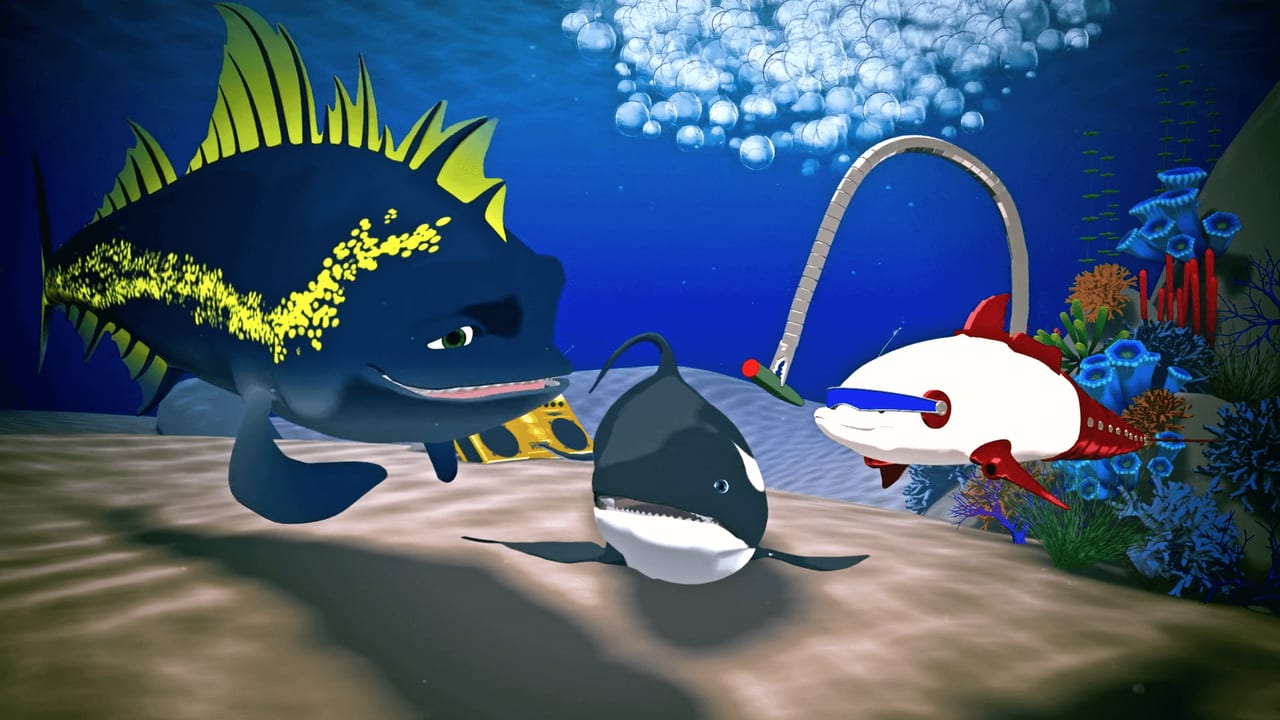
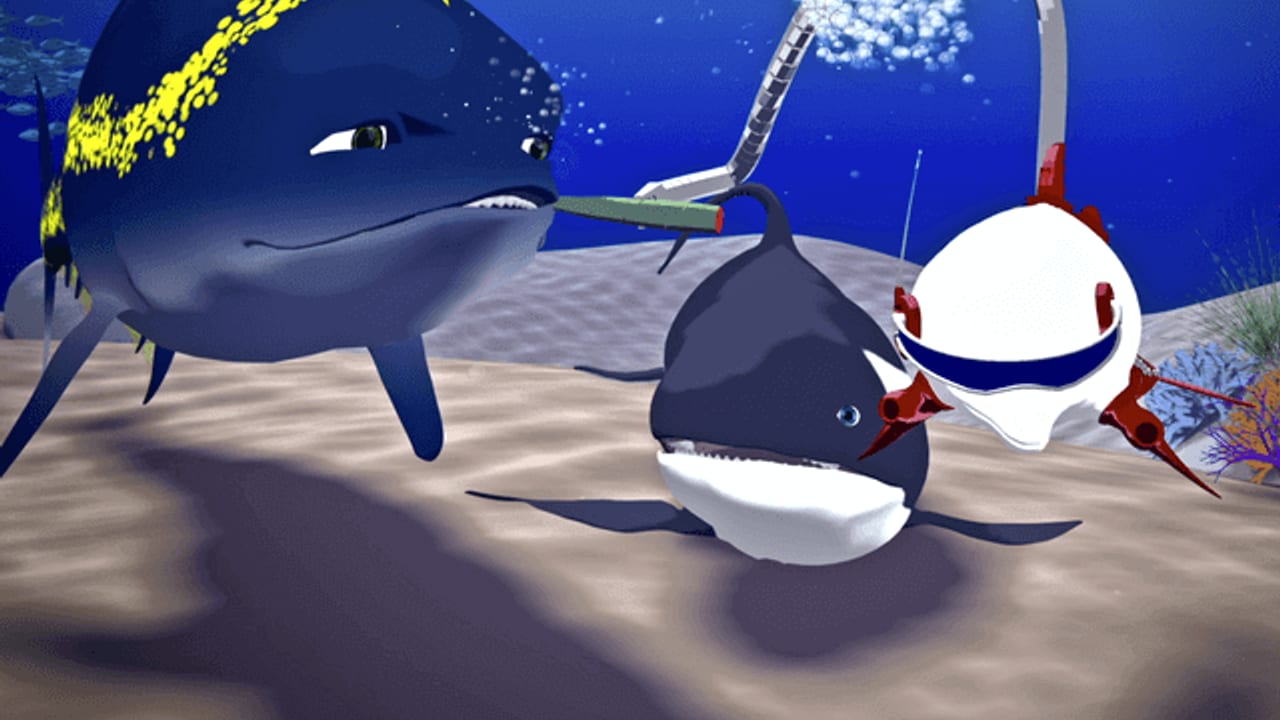
Tsunami Tuna Motion Capture article image showing ECG Productions animation, motion graphics, or visual storytelling work.

Animation

Production context from the work that happens before, during, and after the shoot.

Production Context

See the planning choices behind a stronger shoot.

A stronger shoot starts with the real production variables: what has to be captured, what can go wrong, what the edit will need, and how the crew keeps the day moving toward the finished piece.

The real value is in what the shoot protects.

Behind-the-scenes and production articles are useful because they reveal planning, crew decisions, location realities, sound, lighting, schedule pressure, and the practical choices that make the final piece possible.

Better production questions start here.

If you are planning a similar shoot, ask what has to be captured, what can go wrong, what the edit needs, who has approval, and what the crew must know before the day starts.

Look for the handoff into post.

Strong production is not finished when the shoot wraps. The footage, notes, sound, continuity, and media workflow need to give post-production enough room to shape the final piece.

Article

Discover how ECG Productions integrates blend shape facial motion capture in Tsunami Tuna to create expressive, performance-driven 3D animation for non-human characters.

Help animation producers and creative teams decide when and how to use blend shape facial motion capture for complex character animation.

Understanding Facial Motion Capture and Blend Shapes

Facial motion capture translates an actor’s facial movements into digital animation, capturing subtle expressions that bring characters to life. Unlike traditional marker-based systems, blend shape motion capture uses markerless technology to map an actor’s expressions onto a 3D character model. Blend shapes are variations of a character’s mesh—like a closed eye or a pursed lip—that can be combined in countless ways to create nuanced emotions and lip sync. This approach is especially valuable when animating characters with non-human faces, such as the dolphin protagonist in Tsunami Tuna.

Why Blend Shape Mo-Cap Works for Non-Human Characters

Traditional marker-based facial motion capture relies on the actor’s facial proportions, which limits its effectiveness when animating creatures with different anatomies. Blend shape systems let animators define exactly how expressions translate onto unique characters, giving creative control over every smile, frown, or blink. For Tsunami Tuna, this means the dolphin’s expressions can be expressive and believable without being constrained by human facial structure. This flexibility makes blend shape mo-cap a practical choice for animation studios tackling imaginative characters.

Integrating Facial Mo-Cap into the 3D Animation Pipeline

At ECG Productions, we start by calibrating the actor’s facial expressions through a series of preset extreme poses—like fully closed eyes or raised eyebrows—to train the blend shape system. During performance capture, the software tracks the actor’s subtle movements and converts them into blend shape data. This data is then imported directly onto the 3D character model in the animation software, providing a rich foundation for animators. From there, artists refine the animation, enhancing timing, adding secondary motions, and polishing lip sync to deliver a final performance that feels alive and authentic.

Benefits of Performance-Driven Animation with Mo-Cap

One of the biggest advantages of facial motion capture is having a real performance reference embedded in the animation. This doesn’t limit creativity but offers a detailed roadmap of natural expressions and timing that animators can build upon. For Tsunami Tuna, capturing an actor’s nuanced facial cues ensures the dolphin’s emotions resonate with audiences, making complex ideas clearer and more memorable. It also streamlines production by reducing the time spent keyframing subtle facial movements, allowing the team to focus on storytelling and visual polish.

Planning Your Facial Motion Capture Project

To get the most from blend shape facial motion capture, plan early in pre-production. Choose actors comfortable with expressive performances and schedule calibration sessions to capture their facial range. Coordinate with your animation team to create a comprehensive set of blend shapes tailored to your character’s unique anatomy. During production, ensure high-quality video reference is captured alongside mo-cap data to support post-production refinement. Finally, build in time for iterative approvals, as facial animation often requires close client feedback to hit the right emotional tone.

FAQ

What is the difference between marker-based and blend shape motion capture?

Marker-based motion capture uses physical markers placed on an actor’s face to track movement, which works best for human-like characters. Blend shape motion capture is markerless and uses predefined facial expressions to map an actor’s performance onto characters with different anatomies, like animals or fantasy creatures.

Can blend shape motion capture capture lip sync accurately?

Yes, blend shape mo-cap captures detailed mouth movements and expressions, providing a strong foundation for lip sync. Animators can then fine-tune timing and phoneme shapes during post-production for natural dialogue delivery.

How does facial motion capture improve animation efficiency?

Facial motion capture provides a rich base of natural expressions and timing, reducing the need for animators to keyframe every subtle movement. This accelerates production timelines while maintaining high-quality, performance-driven animation.

What should a team understand about Tsunami Tuna Motion Capture?

The useful takeaway is how audience, creative direction, production choices, post-production, approvals, and delivery needs shape the final video plan.

Where should this kind of project start?

Start with the goal, audience, deadline, where the finished piece needs to live, and the practical constraints that will affect creative and production decisions.

How can ECG help with the next step?

ECG can help connect the creative idea to production planning, filming, post-production, versioning, and delivery so the finished work fits the channel and the audience.


Related ECG Portfolio Video

See the article idea in finished ECG work.

Use Sof-Adhere | Medical Video as an ECG-produced reference for How Tsunami Tuna Uses Facial Motion Capture to Elevate 3D Animation. Compare the audience, tone, distribution plan, and production choices before turning the article into a creative brief.

YouTubeMedical ExplainerRelated Motion Graphics workRelated Animation Motion Graphics work
Open the project

Medical explainer

Sof-Adhere | Medical Video

A Sof-Adhere medical explainer for Precision Toxicology, combining live-action green screen footage, After Effects animation, sound, and Premiere editing into a controlled informational video.

Visual Context

Connect the article to the kind of work people can actually picture.

Articles perform better when readers can see what the thinking points toward. This visual break connects the topic to ECG production, post-production, real examples, and the next practical decision instead of leaving the page as a long read with no visual rhythm.

See related work

Article FAQ

Practical answers for the production decision.

These answers add practical context for the decisions that usually sit behind animation work: scope, timing, creative direction, production approach, and what the finished piece needs to accomplish.

What is the difference between marker-based and blend shape motion capture?

Marker-based motion capture uses physical markers placed on an actor’s face to track movement, which works best for human-like characters. Blend shape motion capture is markerless and uses predefined facial expressions to map an actor’s performance onto characters with different anatomies, like animals or fantasy creatures.

Can blend shape motion capture capture lip sync accurately?

Yes, blend shape mo-cap captures detailed mouth movements and expressions, providing a strong foundation for lip sync. Animators can then fine-tune timing and phoneme shapes during post-production for natural dialogue delivery.

How does facial motion capture improve animation efficiency?

Facial motion capture provides a rich base of natural expressions and timing, reducing the need for animators to keyframe every subtle movement. This accelerates production timelines while maintaining high-quality, performance-driven animation.

What should a team understand about Tsunami Tuna Motion Capture?

The useful takeaway is how audience, creative direction, production choices, post-production, approvals, and delivery needs shape the final video plan.

Where should this kind of project start?

Start with the goal, audience, deadline, where the finished piece needs to live, and the practical constraints that will affect creative and production decisions.

How can ECG help with the next step?

ECG can help connect the creative idea to production planning, filming, post-production, versioning, and delivery so the finished work fits the channel and the audience.
Next Step

Connect the article to ECG services and work.

When an article sounds like your project, compare the relevant service path and nearby work before you make a production decision.

Keep Exploring

More ECG pages related to How Tsunami Tuna Uses Facial Motion Capture to Elevate 3D Animation.

Related services, examples, and deeper reads add context around the creative choices, production decisions, and tradeoffs behind this topic.

Next step

Ready to talk through the project?

When this starts to sound like your situation, bring ECG the goal and the constraints.

Share This Article

Send this read to the team before the next production call.

Share the article, project, or service page with a teammate, client, producer, or stakeholder who needs the context before the next decision.