Explore how ECG Productions crafted an effective CDC continuing education video by blending storytelling with practical production strategies to engage healthcare professionals.
Help healthcare and corporate video producers decide how to balance informative content with engaging storytelling in training videos.
Balancing Clarity and Engagement in Healthcare Training Videos
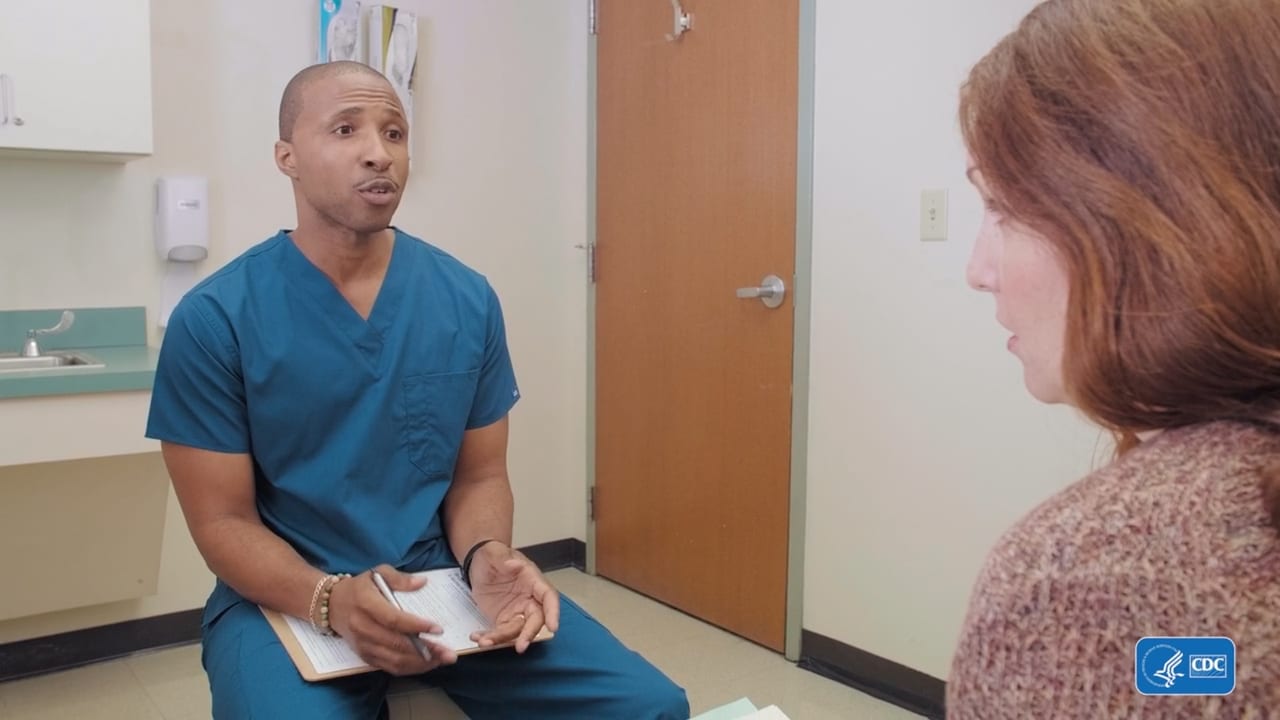
Producing training videos for organizations like the CDC demands a careful balance: the content must be clear and authoritative, but not so dry that the audience tunes out. For this continuing education project, the CDC aimed to move beyond talking-head presentations by embedding short narrative vignettes. These scenes show healthcare professionals in realistic conversations, demonstrating best practices in advocacy for vaccinations. This approach leverages the 'show, don't tell' storytelling principle, making complex or sensitive topics easier to absorb while keeping viewers engaged.
Navigating Production Challenges in Tight Spaces and Timelines
Shooting in cramped doctors’ offices with a shifting script and a tight deadline required a nimble, experienced crew. ECG deployed dual-camera setups using Canon C200 and Ursa Mini cameras to capture multiple angles simultaneously, maximizing coverage during limited shoot days. This strategy reduces the need for retakes and supports dynamic editing choices. Such logistical planning is essential when working in constrained locations and with busy talent, ensuring the final video feels polished and professional despite production hurdles.
Post-Production: Combining Live Action with Client-Provided Assets
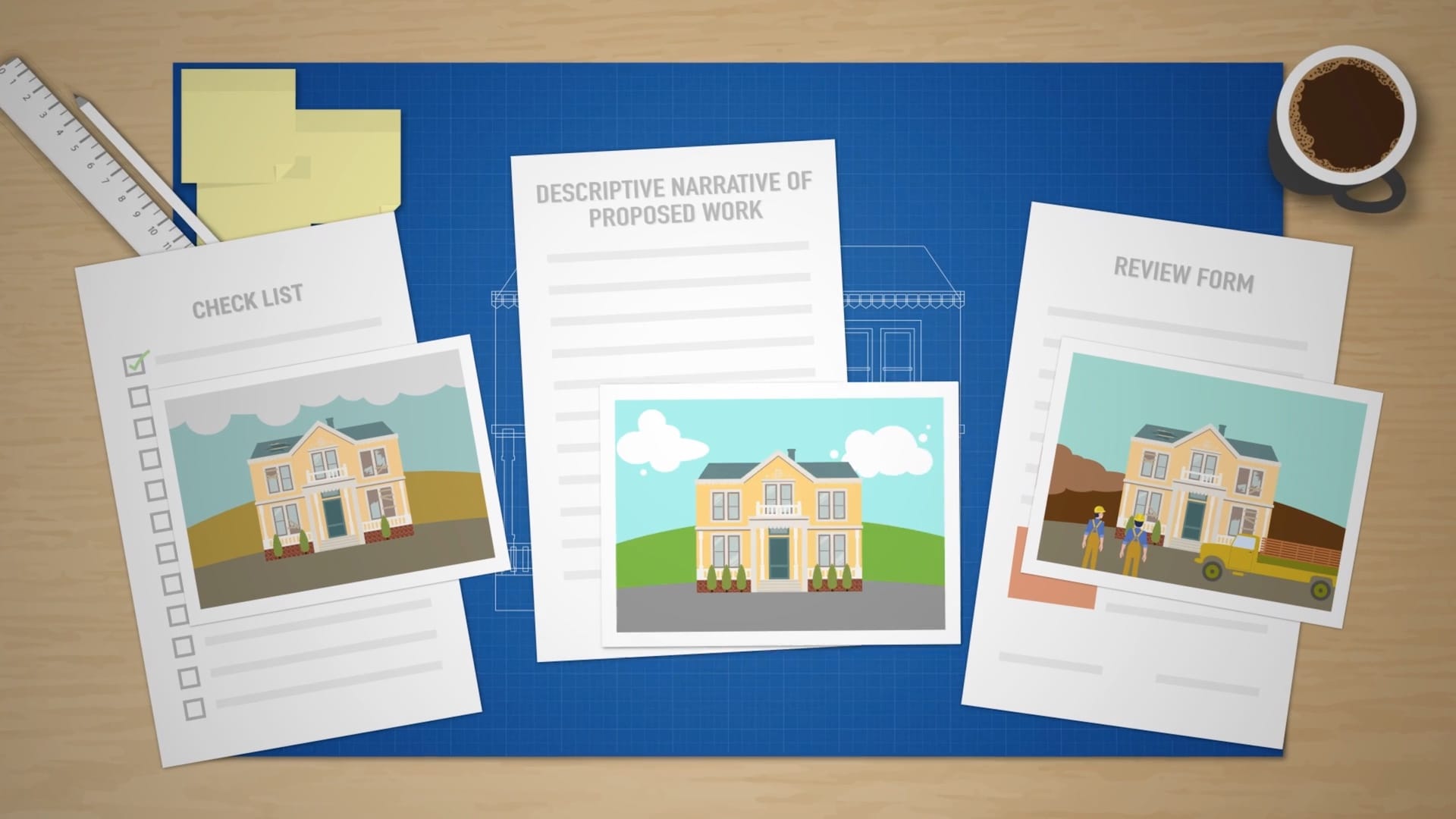
After principal photography, the edit combined the newly shot vignettes with presentation footage supplied by the CDC. This hybrid approach allows the video to maintain both narrative flow and informational rigor. Animator David Hixon contributed consistent, error-free infographics that reinforced key messages without distracting from the human stories. Attention to detail in graphics and sound design is critical in educational videos, where clarity supports comprehension and retention.
Budgeting Smartly: Aligning Scope with Goals and Resources
This project underscores the importance of defining scope early. Budget and timeline depend on factors like audience size, deliverables, locations, talent, crew, and post-production complexity. For example, a simple interview requires a different budget than a multi-location training series with animations and multiple versions. ECG recommends clients come prepared with clear goals, target audience insights, must-have assets, and reference videos. This clarity enables precise estimates and protects the budget from unexpected scope creep.
Making Your First Production Call More Effective
To get the most from your initial conversation with a production partner, bring specific details: who needs to watch the video, what they already know, what the video must prove, where it will be distributed, who approves it, and what success looks like. Sharing sample references with notes on pacing, tone, and style helps production teams understand your vision quickly. This upfront clarity leads to smarter service recommendations, tailored production plans, and smoother project execution.
FAQ
How can narrative vignettes improve training videos for healthcare professionals?
Narrative vignettes show realistic scenarios that help viewers relate to the material, making complex information easier to understand and remember compared to straightforward talking-head presentations.
What production strategies help when shooting in tight or busy healthcare settings?
Using multi-camera setups to capture double coverage maximizes efficiency, while careful scheduling and a flexible crew help navigate space constraints and shifting scripts.
Why is early scope definition important for budgeting training videos?
Clear scope—covering audience, deliverables, locations, talent, and post-production needs—helps avoid surprises and ensures the budget aligns with the project’s goals and resources.
What should a team understand about CDC | Continuing Education Training Video?
The useful takeaway is how audience, creative direction, production choices, post-production, approvals, and delivery needs shape the final video plan.
Where should this kind of project start?
Start with the goal, audience, deadline, where the finished piece needs to live, and the practical constraints that will affect creative and production decisions.
How can ECG help with the next step?
ECG can help connect the creative idea to production planning, filming, post-production, versioning, and delivery so the finished work fits the channel and the audience.