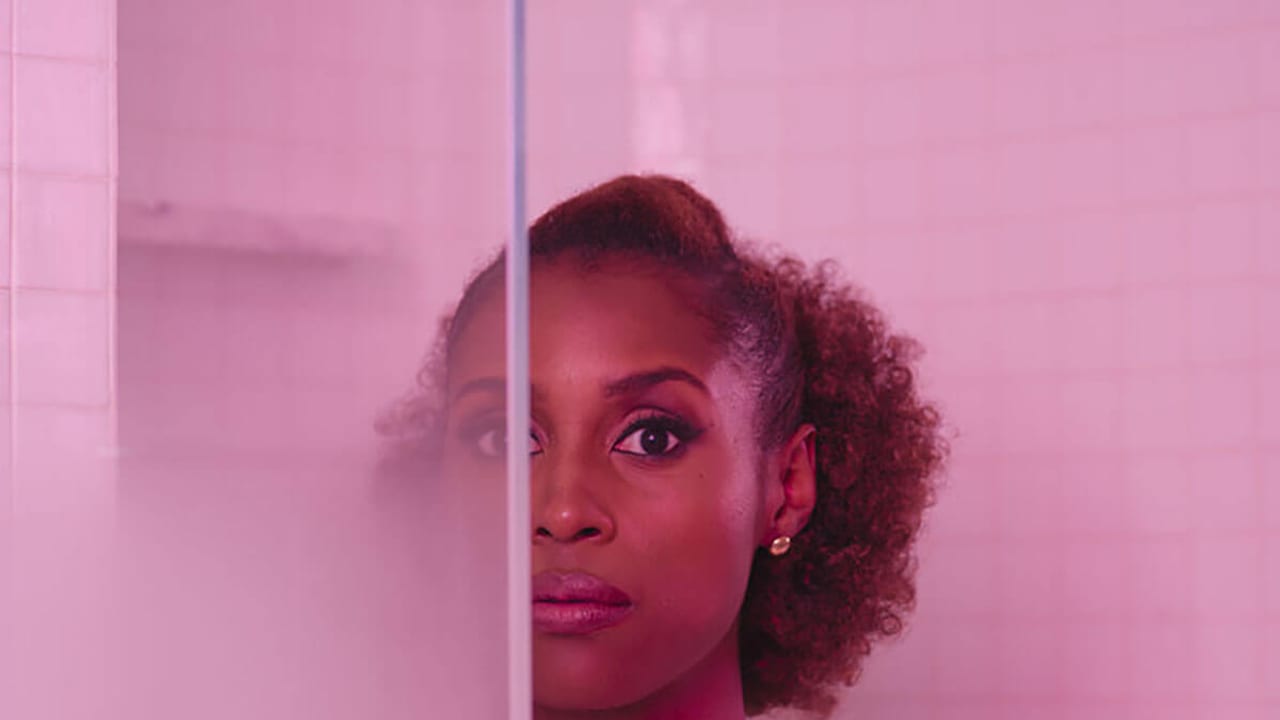
Master lighting for all skin tones with practical cinematography tips—from diffusion materials and reflectors to filters—that ensure every complexion looks radiant on camera.
Help cinematographers and producers make informed lighting decisions that enhance all skin tones in their video productions.
Why Lighting for Skin Tone Matters in Cinematography
Lighting is one of the most critical elements in cinematography, especially when it comes to rendering skin tones authentically and beautifully. Historically, film and camera calibration tools favored lighter skin, leaving darker tones underexposed or misrepresented. Today, understanding how different skin tones interact with light is essential for any production aiming for inclusivity and visual excellence. This knowledge impacts every stage—from pre-production planning to on-set lighting setups, post-production color grading, and final delivery.
Use Warm Diffusion Materials Like Unbleached Muslin
Diffusion softens light and shapes shadows, but the choice of material can dramatically affect skin appearance. Unbleached muslin, a warm-toned fabric, wraps light gently around faces and adds a subtle glow that complements medium to darker skin tones. Unlike bleached muslin, which tends to suit lighter skin better, unbleached muslin enhances warmth and texture, giving brown and deeper complexions a natural radiance. Incorporate it in your key or fill light diffusion to create flattering, soft shadows that preserve skin detail without flattening features.
Enhance Skin with Reflectors Featuring Color Variations
Reflectors are indispensable tools for controlling fill light and shaping the mood of a scene. Beyond standard white reflectors, gold reflectors add a warm, golden hue that enriches brown and olive skin tones, making them appear vibrant and healthy. Silver reflectors provide a brighter, more contrasty fill, useful in outdoor or high-key setups. Carry a versatile 4-in-1 reflector on set to quickly adapt to lighting conditions and skin tone needs. Positioning reflectors thoughtfully can also accentuate hair color and wardrobe, contributing to a cohesive visual palette.
Leverage Camera Filters to Shape Skin Tone and Texture
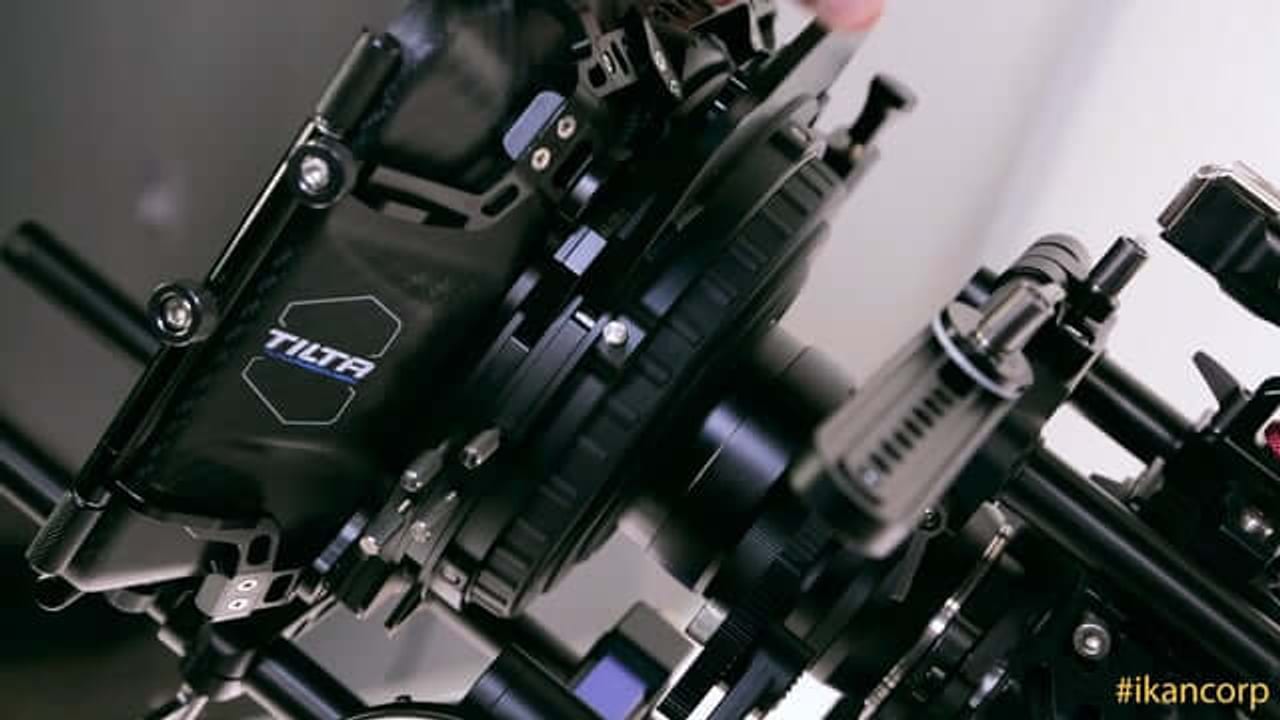
Filters remain a powerful, often underused tool in cinematography. Polarizers help manage unwanted reflections on skin and eyes, improving clarity and reducing shine. Specialty filters like Tiffen’s ProMist, Black ProMist, Glimmerglass, and Satin series can soften highlights and add a cinematic glow tailored to different skin tones. For example, Satin filters gently smooth skin texture and add warmth, enhancing rich skin tones without overexposing highlights. Combining filters with controlled lighting setups allows you to craft a unique look that supports the story and respects the subject’s natural complexion.
Plan for Inclusive Lighting in Pre-Production and Post
Lighting diverse skin tones starts before the camera rolls. During pre-production, discuss the skin tones of your cast with your Director of Photography and gaffer to plan appropriate lighting instruments, diffusion, and reflectors. Schedule camera tests to fine-tune exposure and color balance, ensuring no skin tone is under- or overexposed. In post-production, collaborate closely with colorists who understand the nuances of skin tone grading to preserve natural hues and avoid color shifts. This holistic approach—from strategy through delivery—ensures your final video honors every subject’s appearance authentically.
FAQ
What diffusion materials work best for lighting darker skin tones?
Unbleached muslin is highly recommended for darker skin tones because it adds warm, soft diffusion that enhances natural skin glow without washing out texture or detail.
How can reflectors improve the look of various skin tones on camera?
Using gold reflectors adds warmth and radiance to brown and olive skin tones, while silver reflectors provide bright, neutral fill light. A multi-surface reflector lets you adapt quickly to different lighting needs.
Are camera filters necessary for flattering skin tones?
Yes. Filters like polarizers reduce glare, and specialty diffusion filters soften highlights and textures, helping to create a cinematic look that flatters all skin tones and reduces post-production correction.
What should a team understand about Cinematography: Tips and Tricks for Lighting Various Skin Tones?
The useful takeaway is how audience, creative direction, production choices, post-production, approvals, and delivery needs shape the final video plan.
Where should this kind of project start?
Start with the goal, audience, deadline, where the finished piece needs to live, and the practical constraints that will affect creative and production decisions.
How can ECG help with the next step?
ECG can help connect the creative idea to production planning, filming, post-production, versioning, and delivery so the finished work fits the channel and the audience.