Music decides the emotional contract.
A brand video can look expensive and still feel wrong if the music fights the message. The track sets pace, tension, taste, confidence, and whether the viewer trusts the feeling the piece is asking them to have.
Post
Explore five standout film soundtracks and learn how music influences editing, sound design, color grading, and final delivery in video production.
 Written byStephen JonesEditor & Sound Designer
Post
Sound strategy for brand videos that need to feel right before they explain themselves.
Sound Strategy
The music under a brand video changes pace, memory, credibility, and emotional permission. The right choice depends on audience, edit rhythm, licensing, dialogue, campaign life, and how the piece needs to feel in the first few seconds.
A brand video can look expensive and still feel wrong if the music fights the message. The track sets pace, tension, taste, confidence, and whether the viewer trusts the feeling the piece is asking them to have.
Music choices should match the audience, usage rights, campaign life, edit rhythm, voiceover, and where the video will run. A temp track can help the edit move, but the final track has to be cleared, mixed, and shaped around the brand.
A stronger music conversation starts early: tone references, licensing limits, dialogue or VO needs, captions, platform behavior, cutdowns, and the intended feeling when someone watches with sound on or off.
Article
Explore five standout film soundtracks and learn how music influences editing, sound design, color grading, and final delivery in video production.
Help readers understand how iconic film soundtracks inform smarter post-production and sound design decisions.
Soundtracks do more than fill silence—they shape the emotional core and pacing of a film. From pre-production planning through post, understanding how music interacts with visuals influences editing rhythm, sound mixing, and even color grading choices. This article highlights five original motion picture soundtracks that exemplify how music drives storytelling and can inspire your production approach.
Though "The Mack" is often criticized for its narrative, Willie Hutch’s soundtrack remains a masterclass in mood-setting. Tracks like "I Choose You" and "Mother’s Theme" demonstrate how soulful music can add layers of character and atmosphere. In post-production, syncing these tracks with key scenes can elevate otherwise simple visuals, reinforcing themes and emotional beats. Consider how your edit can breathe with the music’s flow rather than fight it.
"Wildstyle" is a snapshot of early Hip Hop culture, and its soundtrack pulses with raw energy. Songs like "Down By Law" and "Gangbusters" transport viewers to gritty New York City underground scenes. For producers and editors, this soundtrack is a reminder to match audio texture with visual style—whether through dynamic cuts, layered sound design, or color choices that reflect the music’s vibrancy. It’s a blueprint for integrating culture and sound authentically.
Pink Floyd’s "More" soundtrack is a psychedelic journey that challenges conventional narrative storytelling. Tracks such as "Main Theme" and "Ibiza Bar" create surreal moods that editors and colorists can amplify with creative effects, dissolves, and color grading that evoke altered states. This soundtrack encourages post teams to experiment with audio-visual sync, layering, and pacing to craft an immersive sensory experience.
The stop-motion film "La Planete Sauvage" pairs its striking visuals with Alain Goraguer’s haunting and repetitive soundtrack. Pieces like "La Bracelet" and "Strip Tease" evoke meditative and otherworldly moods that post-production teams can emphasize through subtle sound design, ambient mixing, and restrained editing. This soundtrack exemplifies how music repetition and variation can guide viewer focus and emotional response.
Jim Jarmusch’s "Ghost Dog" features The RZA’s eerie and textured soundtrack, which deeply influences the film’s tone. Tracks such as "Zip Code" and "East New York Stamp" provide sonic cues that editors and sound designers use to build tension and atmosphere. This soundtrack highlights the importance of integrating music with sound effects and dialogue to create a cohesive audio environment that supports storytelling.
Each of these soundtracks teaches valuable lessons for video production teams. During pre-production, consider how music will influence pacing and mood. In editing, align cuts and transitions with musical beats and themes. Sound design should complement the soundtrack without overpowering it, while color grading can reflect the emotional tone set by the music. Finally, plan delivery formats and rights clearance carefully to ensure your soundtrack enhances rather than complicates distribution.
A soundtrack sets the emotional rhythm and pacing, guiding editors on where to cut, hold, or transition scenes to enhance storytelling flow.
Music mood often informs color grading choices; for example, darker, eerie soundtracks may pair with cooler, desaturated tones, while upbeat tracks might call for vibrant colors.
Securing proper music rights early in production is crucial to avoid distribution issues. Work with legal and clearance experts to manage licensing for both film and soundtrack releases.
The useful takeaway is how audience, creative direction, production choices, post-production, approvals, and delivery needs shape the final video plan.
Start with the goal, audience, deadline, where the finished piece needs to live, and the practical constraints that will affect creative and production decisions.
ECG can help connect the creative idea to production planning, filming, post-production, versioning, and delivery so the finished work fits the channel and the audience.
Related ECG Portfolio Video
Use Sof-Adhere | Medical Video as an ECG-produced reference for Five Original Motion Picture Soundtracks That Shape Film Post-Production. Compare the audience, tone, distribution plan, and production choices before turning the article into a creative brief.
Medical explainer
A Sof-Adhere medical explainer for Precision Toxicology, combining live-action green screen footage, After Effects animation, sound, and Premiere editing into a controlled informational video.
Visual Context
Articles perform better when readers can see what the thinking points toward. This visual break connects the topic to ECG production, post-production, real examples, and the next practical decision instead of leaving the page as a long read with no visual rhythm.
See related workArticle FAQ
These answers add practical context for the decisions that usually sit behind post work: scope, timing, creative direction, production approach, and what the finished piece needs to accomplish.
A soundtrack sets the emotional rhythm and pacing, guiding editors on where to cut, hold, or transition scenes to enhance storytelling flow.
Music mood often informs color grading choices; for example, darker, eerie soundtracks may pair with cooler, desaturated tones, while upbeat tracks might call for vibrant colors.
Securing proper music rights early in production is crucial to avoid distribution issues. Work with legal and clearance experts to manage licensing for both film and soundtrack releases.
The useful takeaway is how audience, creative direction, production choices, post-production, approvals, and delivery needs shape the final video plan.
Start with the goal, audience, deadline, where the finished piece needs to live, and the practical constraints that will affect creative and production decisions.
ECG can help connect the creative idea to production planning, filming, post-production, versioning, and delivery so the finished work fits the channel and the audience.
Next Step
When an article sounds like your project, compare the relevant service path and nearby work before you make a production decision.
Read Next

Animation
Animation
How Motion Tracking Made Easy can make complex ideas clearer, more memorable, and easier for the audience to follow.
Read article
Animation
Animation
How Motion Tracking in More Ways Than One can make complex ideas clearer, more memorable, and easier for the audience to follow.
Read article
Production
Production
The Five Types Of Animation is a production read about what needs to be planned, captured, protected, and handed to post so the finished piece has a real chance to work.
Read article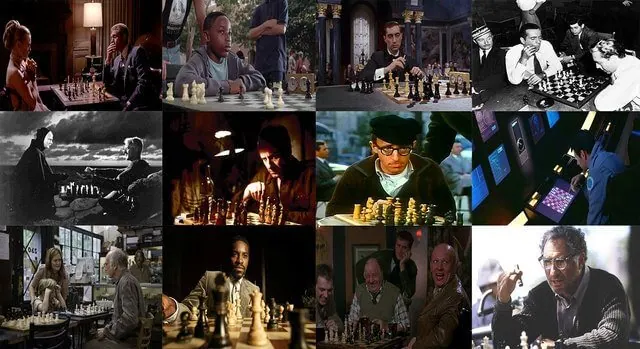
Strategy
Strategy
Five Reasons Why Chess and Video Production Go Hand-in-Hand is a strategy read for teams deciding who the video needs to reach, what it needs to say, where it will live, and what has to be clear before production dollars move.
Read article
Production
Production
CPM Camera Rigs DSLR Cubed Shoulder Rig is a production read about what needs to be planned, captured, protected, and handed to post so the finished piece has a real chance to work.
Read article
Strategy
Strategy
American College of Rheumatology | Five Years of Simple Tasks is a strategy read for teams deciding who the video needs to reach, what it needs to say, where it will live, and what has to be clear before production dollars move.
Read articleKeep Exploring
Related services, examples, and deeper reads add context around the creative choices, production decisions, and tradeoffs behind this topic.
Services
These service paths show where the production, post, animation, or package conversation usually goes next.
Service
AI video creation support for teams that want to use generative tools responsibly without sacrificing strategy, production judgment, brand trust, or visual quality.
Open pageService
Live Performance / Event Recap Package from ECG Productions gives launch and event teams a clearer starting point for capturing and using the moment.
Open pageService
Event video production for teams that need the story, energy, speakers, audience, and proof of a live moment captured for people who were not in the room.
Open pageService
Video Expert Witness Services from ECG Productions supports video-related questions with production and post-production experience.
Open pageWork
These examples show what the service, article, or category can look like in finished work.
Branded Content
Hello My Name Is… | A Musical Exploration is story-led brand work, which means the finished piece has to show more than polish. The important read is how the brand,...
Open pageBranded Content
Wyclef Jean and more Talent | Hello My Name Is… Episode 6 is story-led brand work, which means the finished piece has to show more than polish. The important read is...
Open pageBranded Content
Dixson, and more Talent | Hello My Name Is… Episode 8 is story-led brand work, which means the finished piece has to show more than polish. The important read is how...
Open pageRelated articles
These pieces add context around process, budget, creative choices, common mistakes, and what to ask next.
Post
A post-production read on How to Fix Movie Trailers - An Editor’s Response to Chris Stuckmann, covering the edit, sound, color, graphics, delivery, and review choice...
Open pagePost
A post-production read on Why Color Grading Doesn't Take Five Minutes, covering the edit, sound, color, graphics, delivery, and review choices that shape the final p...
Open pagePost
A post-production read on EDITING ON SHIFTING SANDS OR: How I Learned To Stop Worrying and Love Premiere, covering the edit, sound, color, graphics, delivery, and re...
Open pagePost
A post-production read on How To Sound Like Kylo Ren, covering the edit, sound, color, graphics, delivery, and review choices that shape the final piece.
Open pageNext step
When this starts to sound like your situation, bring ECG the goal and the constraints.
Share This Article
Share the article, project, or service page with a teammate, client, producer, or stakeholder who needs the context before the next decision.