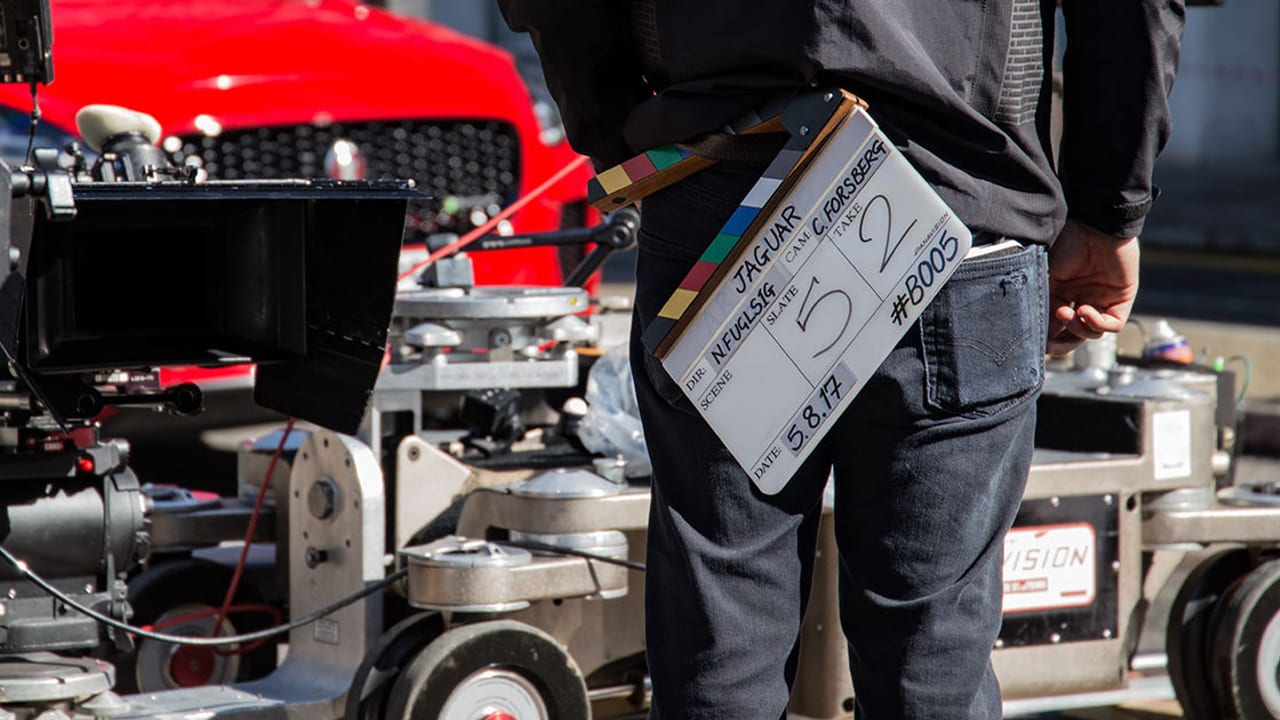
Understand the real costs behind filming locations—from permits to parking—and make smarter production decisions that protect your budget and schedule.
Help readers understand the key cost factors of filming locations so they can budget and plan production more effectively.
Why Location Costs Are More Than Just a Rental Fee
Choosing the right filming location isn’t just about aesthetics—it’s a major budget and logistics decision. Location fees often go beyond a simple rental price. They include factors like lost revenue for business owners, insurance requirements, permits, and even parking. Understanding these cost drivers upfront helps you avoid surprises that can derail your schedule or blow your budget.
How Business Disruption Impacts Location Fees
If your shoot takes place inside an operating business, expect to pay for any lost revenue caused by closing or limiting customer access. Owners may also charge for staff time spent supervising or securing the space during filming. Whenever possible, scheduling shoots outside of business hours can reduce these costs but requires careful coordination and sometimes additional security or lighting expenses.
Matching Crew Size and Equipment to Your Location
The size of your cast and crew relative to the location’s capacity affects costs in two ways: wear and tear, and logistical complexity. Larger crews increase the risk of damage and require more space for staging, equipment, and breaks. Heavy lighting and power-hungry gear also impact location fees, especially if the venue needs to upgrade electrical infrastructure or pay higher utility costs. Using energy-efficient LED lighting can help control these expenses.
Navigating Permits, Parking, and Timing
Public locations almost always require permits, which vary widely in cost depending on your activities—closing streets, using drones, or pyrotechnics can significantly increase fees. Parking is another hidden cost; large crews need reliable, legal parking to avoid delays or fines, often requiring rented lots or valet services. Finally, the length of your shoot matters. Locations typically charge premium rates for overtime, so accurate scheduling and contingency planning are essential.
Insurance and Risk Management for Location Filming
Locations will require proof of insurance that covers property damage, liability, and any special risks associated with your shoot. If your production involves stunts, animals, or unusual equipment, insurance premiums may rise. Confirm coverage early and share certificates with location owners to build trust and avoid last-minute hold-ups.
FAQ
What are the main hidden costs of filming on location?
Beyond rental fees, hidden costs include lost business revenue, permits, parking, insurance, and potential overtime charges.
How can I reduce location costs without compromising production quality?
Scheduling shoots during off-hours, using energy-efficient equipment, minimizing crew size, and choosing locations with flexible permit policies can help lower costs.
Why is insurance so important when filming on location?
Insurance protects both your production and the location owner from financial risk due to accidents, damage, or liability claims, and is often a mandatory requirement.
What should a team understand about Location, Location, Location (Part 2) - A 3 Part Series on Where to Film?
The useful takeaway is how audience, creative direction, production choices, post-production, approvals, and delivery needs shape the final video plan.
Where should this kind of project start?
Start with the goal, audience, deadline, where the finished piece needs to live, and the practical constraints that will affect creative and production decisions.
How can ECG help with the next step?
ECG can help connect the creative idea to production planning, filming, post-production, versioning, and delivery so the finished work fits the channel and the audience.