ECG Productions
ECG Blog

Production

15 Essential Horror Movies to Watch This Halloween: A Production Perspective

Discover 15 horror movies perfect for Halloween viewing, with insights on their production elements, storytelling techniques, and why they remain iconic in the genre.

Updated Jun 28, 20263 min readProduction
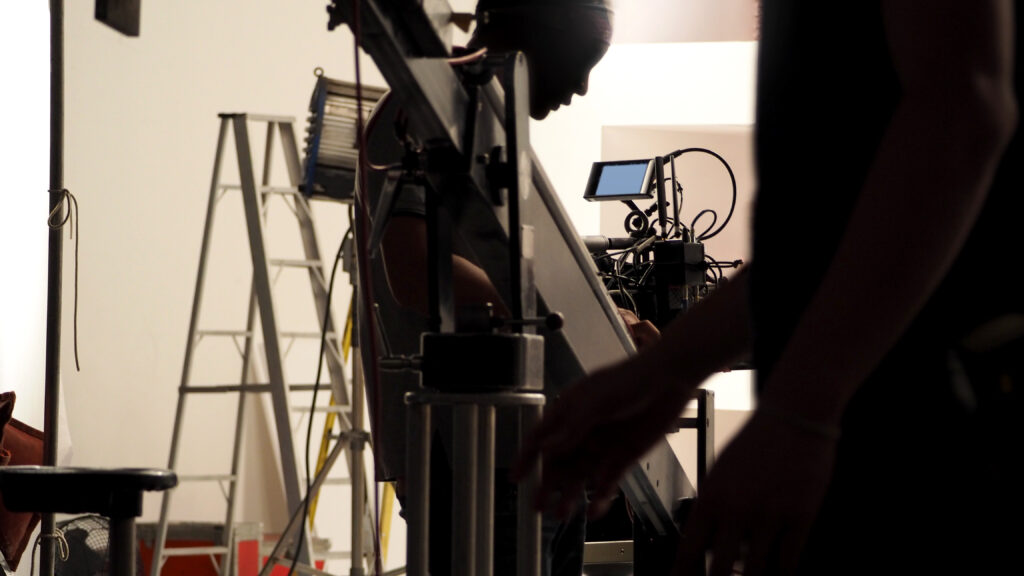
15 More Horror Movies You Should Watch (or Rewatch) on Halloween article image showing ECG Productions crew, cameras, or on-set production work.

Production

Production context from the work that happens before, during, and after the shoot.

Production Context

See the planning choices behind a stronger shoot.

A stronger shoot starts with the real production variables: what has to be captured, what can go wrong, what the edit will need, and how the crew keeps the day moving toward the finished piece.

The real value is in what the shoot protects.

Behind-the-scenes and production articles are useful because they reveal planning, crew decisions, location realities, sound, lighting, schedule pressure, and the practical choices that make the final piece possible.

Better production questions start here.

If you are planning a similar shoot, ask what has to be captured, what can go wrong, what the edit needs, who has approval, and what the crew must know before the day starts.

Look for the handoff into post.

Strong production is not finished when the shoot wraps. The footage, notes, sound, continuity, and media workflow need to give post-production enough room to shape the final piece.

Article

Discover 15 horror movies perfect for Halloween viewing, with insights on their production elements, storytelling techniques, and why they remain iconic in the genre.

Help readers choose standout horror movies to watch this Halloween by understanding their unique production qualities and storytelling impact.

Why Production Matters in Horror Movies

Choosing a horror movie isn’t just about scares — it’s about how the film’s production elements come together to create tension, atmosphere, and lasting impact. From lighting and sound design to editing rhythms and practical effects, production choices shape how a horror story grips its audience. This guide highlights 15 horror movies that excel in these areas, offering lessons in strategic planning, on-set execution, and post-production craft that make them essential viewing.

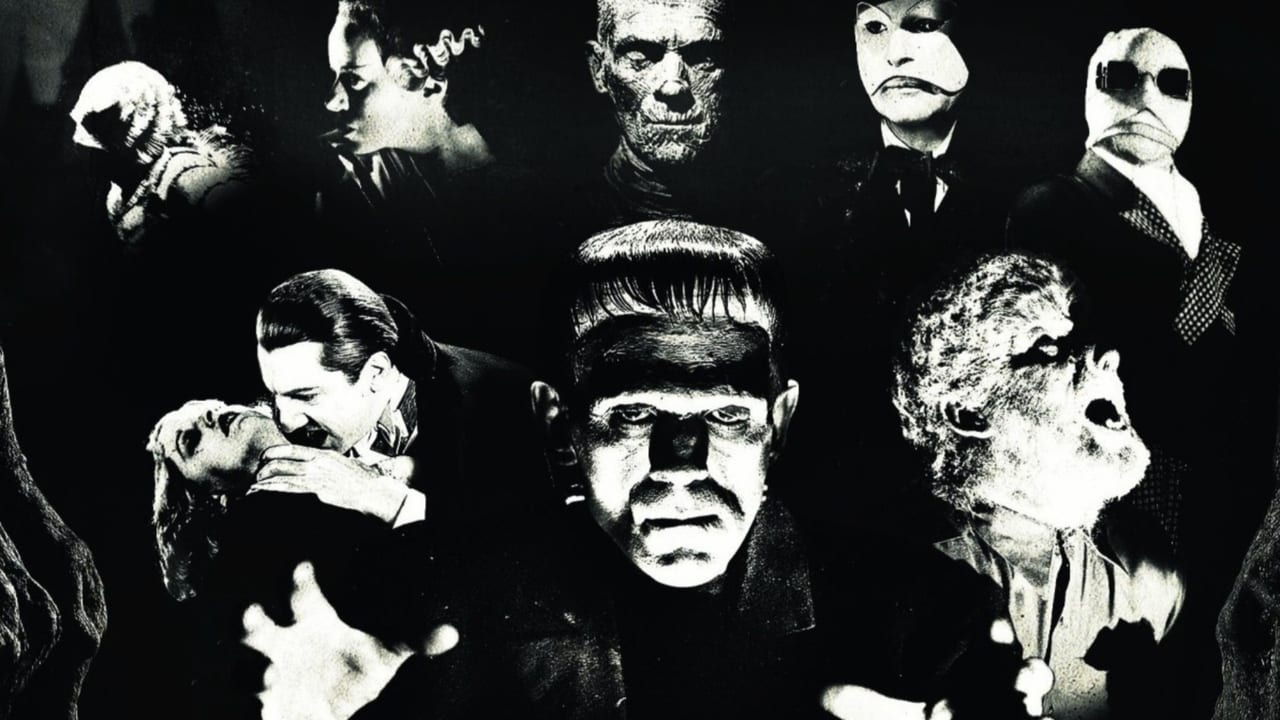
Classic Horror with Timeless Production Values

Films like Alfred Hitchcock’s "Psycho" (1960) and "The Birds" (1963) showcase masterful use of suspense through meticulous pre-production planning and innovative sound design. "Psycho’s" iconic shower scene, for example, relied on precise editing and sound layering to evoke terror without explicit gore. These classics remind producers and filmmakers how thoughtful production design and controlled pacing can create psychological horror that endures.

Modern Horror Innovations and Genre Blends

More recent entries like "The Cabin in the Woods" (2012) and "Hush" (2016) demonstrate how blending horror with comedy or thriller elements requires careful tonal balance during production and post. "Hush," with its deaf protagonist, uses sound design creatively to immerse viewers in the character’s experience, while "The Cabin in the Woods" plays with genre conventions through layered storytelling and visual effects. These films highlight the importance of aligning production strategy with narrative goals.

International and Indie Horror: Unique Production Challenges

Japanese horror such as "Ju-on: The Grudge" (2002) offers a different production approach, emphasizing atmosphere and subtle visual cues over jump scares. Indie hits like "Saw" (2004) show how low-budget constraints can inspire inventive trap designs and tight editing to maximize suspense. Understanding these production contexts helps marketers and producers appreciate the diversity of horror filmmaking and its impact on audience engagement.

Planning Your Own Horror Production: Lessons from the Masters

Whether you’re producing a branded content piece with horror elements or a narrative short, these films provide practical insights. Prioritize detailed pre-production storyboarding to map scares and pacing, invest in sound design to build tension, and plan for flexible post-production workflows to refine color grading and audio mixing. Protect your footage carefully, especially practical effects shots, to preserve the intended impact through delivery. Learning from these iconic horror productions can elevate your project’s storytelling and audience response.

FAQ

What production elements make a horror movie truly effective?

Effective horror movies rely on a combination of atmospheric lighting, immersive sound design, precise editing, and practical effects that together build suspense and deliver scares. Strategic pre-production planning and careful post-production refinement are essential to achieve this impact.

How can low-budget horror films succeed in production quality?

Low-budget horror films often succeed by focusing on strong storytelling, creative use of limited resources, and tight editing. Innovative trap designs or minimalist settings can heighten tension without expensive effects, proving that smart production choices outweigh big budgets.

Why is sound design so important in horror movie production?

Sound design shapes the audience’s emotional experience, using silence, ambient noise, and sudden audio cues to create unease and surprise. Well-crafted soundscapes support visual scares and can make scenes more immersive and frightening.

What should a team understand about 15 More Horror Movies You Should Watch (or Rewatch) on Halloween?

The useful takeaway is how audience, creative direction, production choices, post-production, approvals, and delivery needs shape the final video plan.

Where should this kind of project start?

Start with the goal, audience, deadline, where the finished piece needs to live, and the practical constraints that will affect creative and production decisions.

How can ECG help with the next step?

ECG can help connect the creative idea to production planning, filming, post-production, versioning, and delivery so the finished work fits the channel and the audience.


Related ECG Portfolio Video

See the article idea in finished ECG work.

Use P&G for the HBCYou as an ECG-produced reference for 15 Essential Horror Movies to Watch This Halloween: A Production Perspective. Compare the audience, tone, distribution plan, and production choices before turning the article into a creative brief.

VimeoCommercialsRelated Commercials workRelated Branded Content work
Open the project

Vimeo

P&G for the HBCYou

A P&G and TheGrio back-to-school campaign celebrating Black families, HBCU pride, and the trusted products that move through everyday family life. ECG developed and produced a 30-second hero spot plus 14 brand-specific commercials for broadcast, social, and live-event screens.

Visual Context

Connect the article to the kind of work people can actually picture.

Articles perform better when readers can see what the thinking points toward. This visual break connects the topic to ECG production, post-production, real examples, and the next practical decision instead of leaving the page as a long read with no visual rhythm.

See related work

Article FAQ

Practical answers for the production decision.

These answers add practical context for the decisions that usually sit behind production work: scope, timing, creative direction, production approach, and what the finished piece needs to accomplish.

What production elements make a horror movie truly effective?

Effective horror movies rely on a combination of atmospheric lighting, immersive sound design, precise editing, and practical effects that together build suspense and deliver scares. Strategic pre-production planning and careful post-production refinement are essential to achieve this impact.

How can low-budget horror films succeed in production quality?

Low-budget horror films often succeed by focusing on strong storytelling, creative use of limited resources, and tight editing. Innovative trap designs or minimalist settings can heighten tension without expensive effects, proving that smart production choices outweigh big budgets.

Why is sound design so important in horror movie production?

Sound design shapes the audience’s emotional experience, using silence, ambient noise, and sudden audio cues to create unease and surprise. Well-crafted soundscapes support visual scares and can make scenes more immersive and frightening.

What should a team understand about 15 More Horror Movies You Should Watch (or Rewatch) on Halloween?

The useful takeaway is how audience, creative direction, production choices, post-production, approvals, and delivery needs shape the final video plan.

Where should this kind of project start?

Start with the goal, audience, deadline, where the finished piece needs to live, and the practical constraints that will affect creative and production decisions.

How can ECG help with the next step?

ECG can help connect the creative idea to production planning, filming, post-production, versioning, and delivery so the finished work fits the channel and the audience.

Next Step

Connect the article to ECG services and work.

When an article sounds like your project, compare the relevant service path and nearby work before you make a production decision.

Keep Exploring

More ECG pages related to 15 Essential Horror Movies to Watch This Halloween: A Production Perspective.

Related services, examples, and deeper reads add context around the creative choices, production decisions, and tradeoffs behind this topic.

Next step

Ready to talk through the project?

When this starts to sound like your situation, bring ECG the goal and the constraints.

Share This Article

Send this read to the team before the next production call.

Share the article, project, or service page with a teammate, client, producer, or stakeholder who needs the context before the next decision.