Explore the practical production insights and storytelling techniques behind the reality series 'Bruce Needs His Money,' from pre-production to final delivery.
This article helps readers understand how to plan and execute unscripted, reality-driven productions with authentic storytelling and efficient on-set workflows.
Understanding Reality-Driven Production: The Case of Bruce Needs His Money
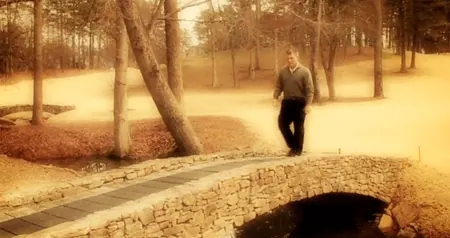
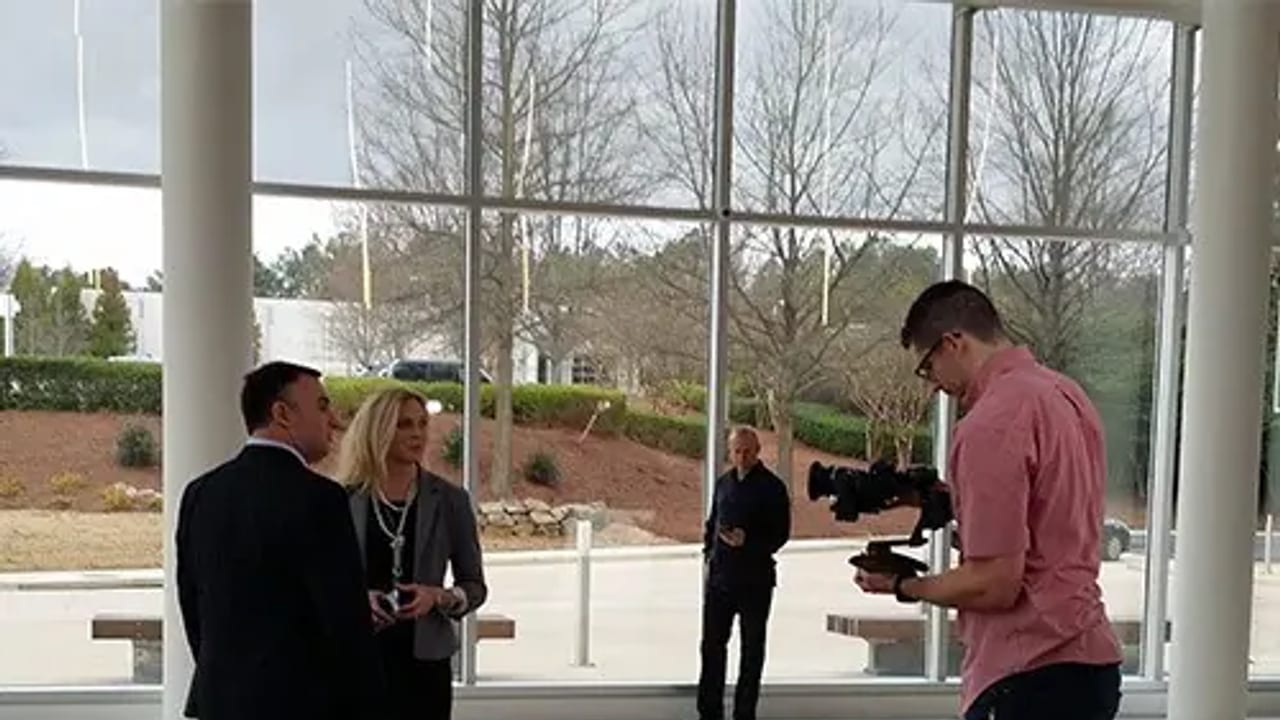
When producing unscripted or reality-driven content, the key is balancing authenticity with structured storytelling. On the set of 'Bruce Needs His Money,' the production team followed real estate agents through their daily lives, capturing genuine moments while guiding scenes to highlight character and conflict. This approach requires a flexible production strategy that anticipates unpredictable events while maintaining narrative focus.
Pre-Production Planning: Setting the Stage for Authenticity
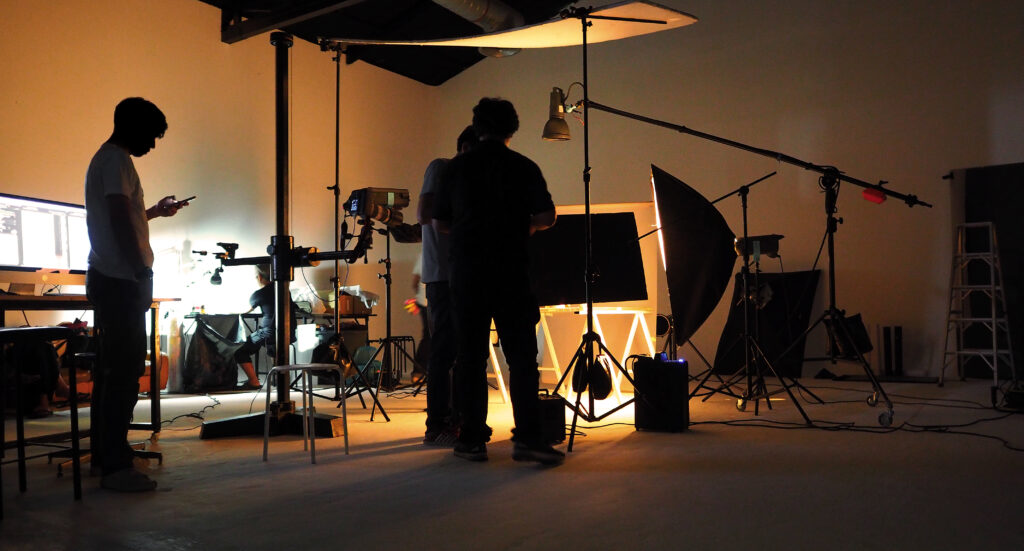
Before cameras roll, detailed pre-production is essential. For 'Bruce Needs His Money,' the team scouted locations like Bruce’s historic Atlanta home and various properties under construction. Scheduling early call times, such as 4AM tenant wake-ups, ensured capturing real-life rhythms. Prepping gear for diverse environments—from indoor family scenes to outdoor demolition shots—helped the crew adapt quickly. Clear shot lists combined with open-ended moments allowed for both planned interviews and spontaneous interactions.
On-Set Dynamics: Capturing Real Moments with Production Precision
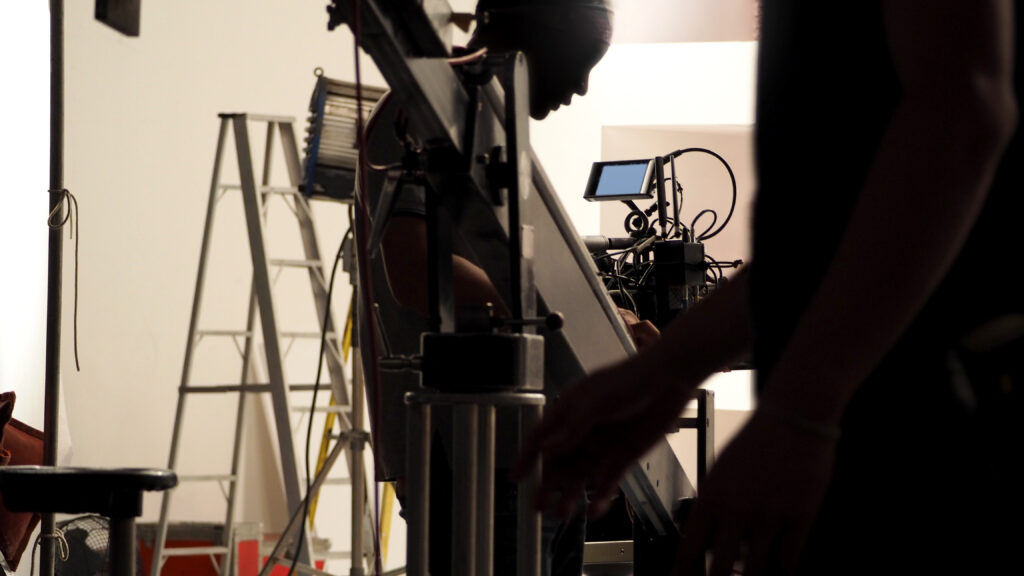
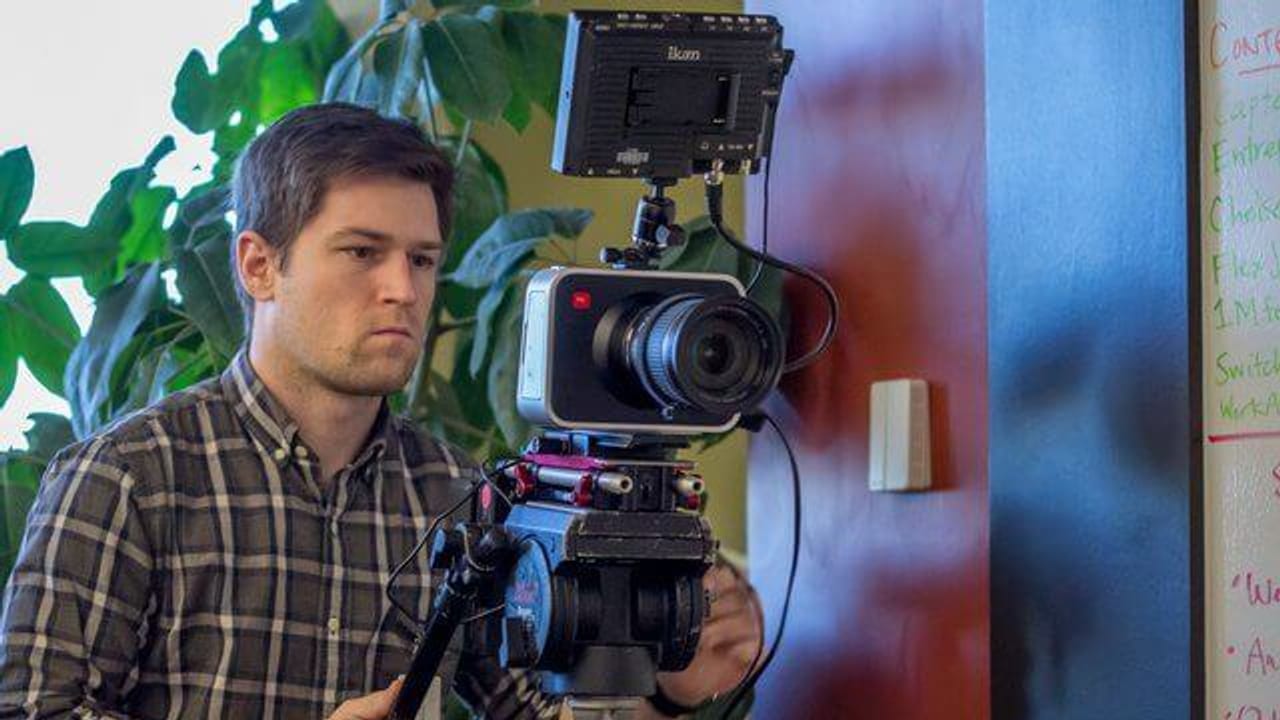
Shooting reality content demands a nimble crew and sensitive direction. The team used GoPro setups for on-the-go footage, handheld cameras for intimate family scenes, and slow-motion captures to dramatize key actions like Bruce demolishing property. Sound monitoring was critical—tracking calls and ambient noise ensured clear audio despite unpredictable settings. Managing talent, especially non-actors like Bruce and his family, required balancing natural behavior with occasional prompts to highlight emotional beats.
Post-Production: Crafting Story from Raw Reality
Editing reality footage involves shaping a coherent narrative from hours of unscripted content. The editor for 'Bruce Needs His Money' focused on pacing scenes to build tension—contrasting Bruce’s tough landlord persona with moments of family vulnerability. Color grading enhanced the warm, humid Atlanta atmosphere, while sound design layered in environmental sounds and interview clarity. Approvals cycles included reviewing sensitive family moments to ensure respectful representation and secure rights for all featured individuals.
Lessons Learned: Making Reality Work for Your Brand or Series
From this production, it’s clear that successful reality-driven content hinges on preparation, adaptability, and ethical storytelling. Brands and agencies should invest in thorough pre-production scouting, equip crews for varied environments, and maintain open communication with talent. Leveraging multiple camera formats—from GoPros to cinematic slow motion—adds visual interest. Finally, post-production must honor the authenticity of the story while delivering a polished, engaging final product.
FAQ
How do you balance authenticity with storytelling in reality production?
Balancing authenticity and storytelling involves planning key scenes and interviews while allowing spontaneous moments to unfold naturally. Directors guide talent with prompts but avoid scripting, ensuring real reactions that serve the narrative.
What gear is essential for shooting unscripted reality content?
Essential gear includes versatile cameras like DSLRs and GoPros, reliable audio equipment with wireless mics and boom poles, lighting adaptable to various locations, and monitoring tools to capture clear sound in unpredictable environments.
How can post-production shape raw reality footage into a compelling story?
Editors sift through extensive footage to identify emotional arcs and conflicts, then use pacing, color grading, sound design, and selective cuts to create a cohesive, engaging narrative that respects the authenticity of the subjects.
What should a team understand about On Set: Bruce Needs His Money?
The useful takeaway is how audience, creative direction, production choices, post-production, approvals, and delivery needs shape the final video plan.
Where should this kind of project start?
Start with the goal, audience, deadline, where the finished piece needs to live, and the practical constraints that will affect creative and production decisions.
How can ECG help with the next step?
ECG can help connect the creative idea to production planning, filming, post-production, versioning, and delivery so the finished work fits the channel and the audience.