Discover essential wardrobe tips for women working on production sets. Learn what footwear, clothing, and accessories keep you safe, comfortable, and ready to work.
Help women working on production sets choose practical, safe, and comfortable clothing and gear that support their role and professionalism.
Why Your Set Wardrobe Matters More Than You Think
When you show up to a production set, your outfit isn’t just a style choice — it’s part of your toolkit. Wearing the right clothes and shoes affects your safety, efficiency, and how the crew perceives you. Production environments are physically demanding and often involve heavy equipment, tight spaces, and long hours on your feet. If your outfit slows you down or puts you at risk, it impacts the entire team and your chances of being invited back. Being prepared with practical gear is a simple way to show professionalism and respect for the craft.
Footwear: Invest in Comfort and Safety First
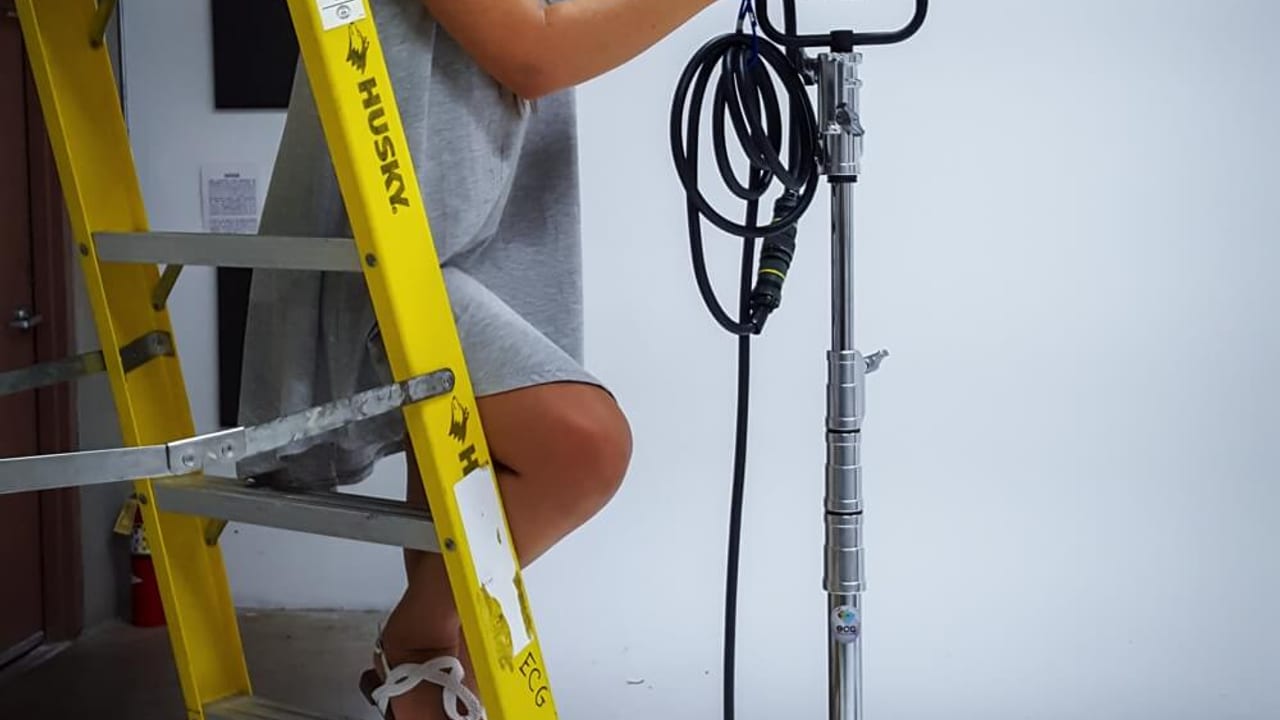
Shoes are the foundation of your set wardrobe. Open-toe shoes, heels, or anything without good traction can lead to slips, trips, or injuries if something heavy falls. Lace-up boots, sturdy sneakers, or work shoes with solid soles provide the support and protection you need for long days on your feet and moving across varied terrain. For example, classic Converse Chucks are a popular choice for their comfort and durability, but running shoes or work boots are equally valid if they fit well and offer grip. Avoid sandals, flip-flops, or crocs during production work.
Pants and Bottoms: Durable, Well-Fitting, and Functional
Forget dresses, skirts, or anything loose that can get caught on gear. Opt for jeans, cargo pants, or shorts designed to stay put and withstand wear and tear. Well-fitting pants help you move quickly and safely without constant readjusting. Wearing a belt can prevent distractions and keep your pants secure during physical tasks. Choose darker colors or durable fabrics that tolerate dirt and scuffs — production sets are rarely pristine environments.
Tops and Layers: Comfort and Coverage for Long Days
Simple, solid-color T-shirts are your best friend on set — affordable, breathable, and easy to layer. Avoid low-cut tops or anything that risks accidental exposure when reaching or lifting. If you’re working in air-conditioned spaces or cooler climates, layering with a flannel or lightweight jacket keeps you comfortable without restricting movement. Your goal is full range of motion and confidence that your clothes won’t betray you mid-shoot.
Accessories and Hair: Keep It Minimal and Practical
Jewelry like necklaces, bracelets, or long earrings can snag on equipment and cause delays or accidents. Keep accessories minimal or leave them off entirely during production days. Hair should be tied back securely — ponytails, buns, or braids keep hair out of your face and away from machinery. Hats and sunglasses are smart additions for outdoor shoots, protecting you from sun and helping you focus. Think of your hair and accessories as part of your safety gear, not just style.
FAQ
Can I wear sneakers instead of boots on set?
Yes, as long as your sneakers provide good support, traction, and protection for long hours and varied surfaces, they’re a practical choice. Avoid shoes with slippery soles or open toes.
Why are dresses and skirts discouraged on set?
Dresses and skirts can restrict movement, get caught on equipment, and pose safety risks. Production work often requires bending, lifting, and quick movement, which are safer and easier in pants designed for durability and fit.
What should I do if I want to maintain a professional look but stay practical?
Choose clean, well-fitting clothes in neutral or solid colors that are comfortable and durable. Layering allows you to adjust for temperature. Minimal, tasteful accessories and tidy hair complete a professional, practical set look.
What should a team understand about Ladies, Stop Wearing Dresses to Set. Please, I’m begging you.?
The useful takeaway is how audience, creative direction, production choices, post-production, approvals, and delivery needs shape the final video plan.
Where should this kind of project start?
Start with the goal, audience, deadline, where the finished piece needs to live, and the practical constraints that will affect creative and production decisions.
How can ECG help with the next step?
ECG can help connect the creative idea to production planning, filming, post-production, versioning, and delivery so the finished work fits the channel and the audience.