New tools are useful only when the idea is clear.
Animation, motion graphics, VFX, and AI-assisted production can help explain what live action cannot, but they work best when the message, style, accuracy needs, and approval path are clear.
Script
Learn how to craft clear, engaging training video scripts that boost learner retention, align with business goals, and deliver measurable results.
 Written byECG ProductionsECG Productions Editorial Team
Planning
Motion, animation, and visual storytelling context for clearer communication.
Motion Context
Animation, VFX, and motion graphics are strongest when they make an idea easier to understand, remember, or approve. The style matters, but the communication problem comes first.
Animation, motion graphics, VFX, and AI-assisted production can help explain what live action cannot, but they work best when the message, style, accuracy needs, and approval path are clear.
Motion is useful when it makes the idea easier to understand, easier to remember, or easier to approve, instead of simply making the page feel busier.
A better motion conversation includes brand assets, visual references, technical accuracy requirements, runtime, platform specs, and examples that define what belongs outside the look.
Article
Learn how to craft clear, engaging training video scripts that boost learner retention, align with business goals, and deliver measurable results.
Help readers decide how to write and structure training video scripts that maximize engagement and learning outcomes.
Training videos are only as effective as the scripts behind them. A well-crafted script ensures your message is clear, consistent, and aligned with your learning objectives. It transforms complex information into digestible, engaging content that learners can absorb and apply. Without a strong script, even the best visuals or production quality can fall flat, leaving viewers confused or disengaged. At ECG Productions, we’ve seen how scripts that prioritize clarity and audience relevance lead to smoother productions and more impactful training outcomes.
Before writing a single word, define who your learners are and what they need to achieve. Are they new hires needing onboarding basics, or experienced staff mastering advanced processes? Tailoring your script to their knowledge level, motivations, and learning environment ensures relevance and engagement. Clear objectives guide script structure and content, helping you focus on what learners must know or do after watching. This upfront strategy reduces rewrites and production delays, saving time and budget.
Effective training scripts use plain language, short sentences, and active voice to maintain attention. Avoid jargon unless it’s essential—and then explain it clearly. Break content into logical sections with signposting so learners can follow along easily. Incorporate storytelling and relatable scenarios to connect emotionally and boost retention. Use calls to action like quizzes or tasks to encourage practical application. Remember, your script is the backbone of production: it guides visuals, pacing, and editing, so precision here pays off throughout the project.
Writing a great script is just the start. Consider how it will sound and flow when spoken. Read it aloud to test pacing, tone, and naturalness. Vary sentence length and rhythm to keep viewers engaged. Plan for visual elements—graphics, animations, or on-screen text—that complement and reinforce your message without overwhelming it. During production, work closely with talent and directors to ensure delivery matches the script’s intent. Post-production editing should maintain clarity and energy, trimming any redundant or confusing parts.
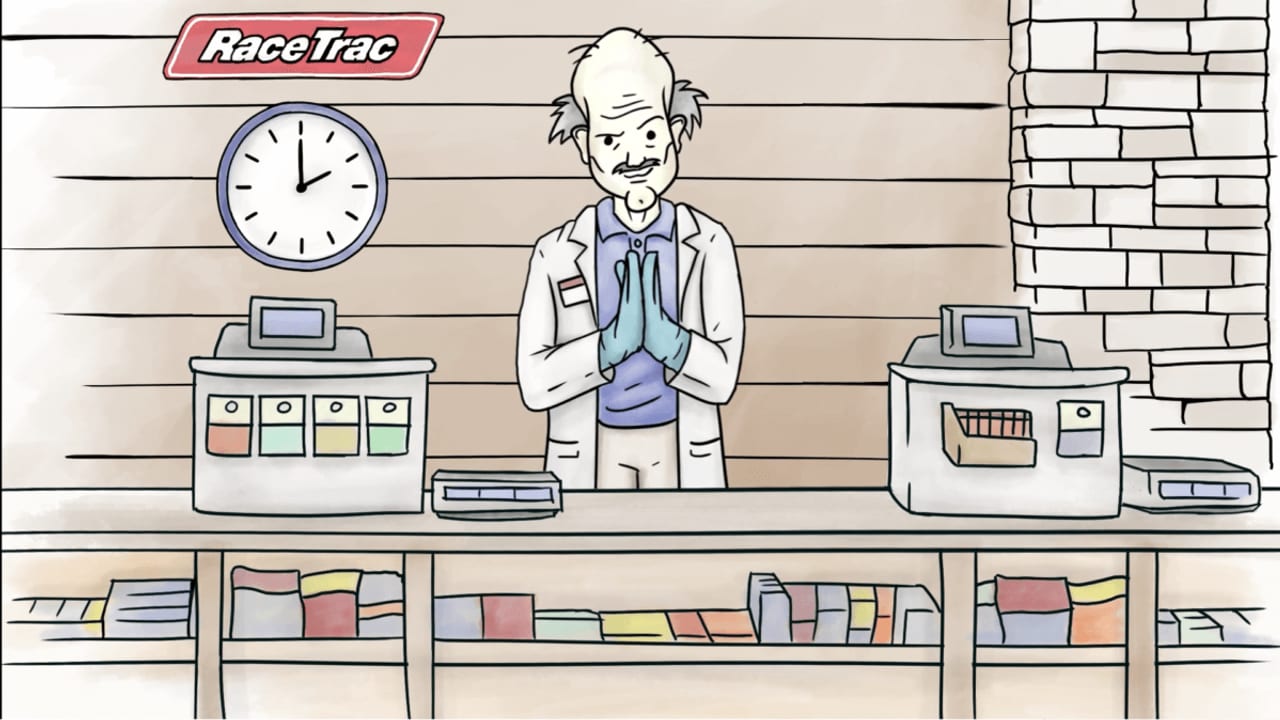
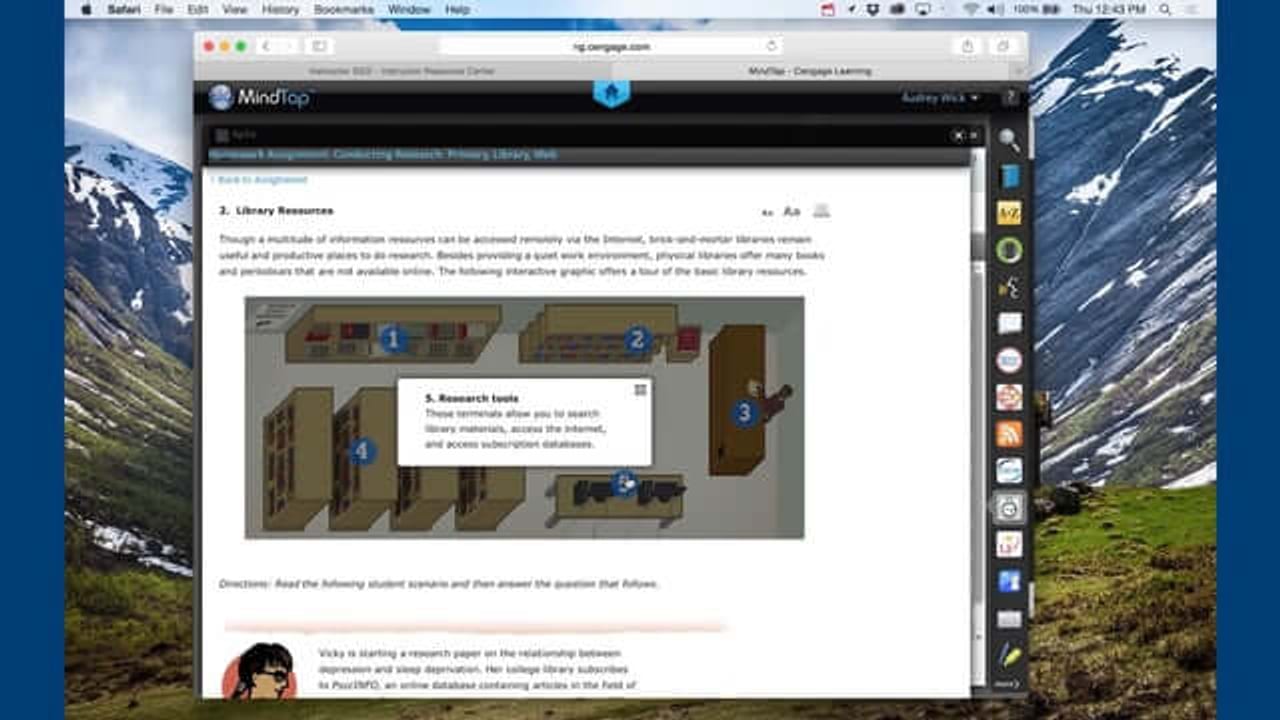
Different training videos require different scripting approaches. Compliance videos demand clear, authoritative language and legal accuracy, often supported by real-world examples to illustrate policies. Technical or process training scripts focus on step-by-step clarity, using simple instructions and visual aids to guide learners. Soft skills or leadership training benefit from storytelling and scenario-based scripts that invite reflection and discussion. At ECG Productions, we customize scripts to fit your content type and audience, ensuring every training video delivers maximum impact.
A well-written script ensures your training video delivers clear, consistent messages aligned with learning goals, making the content easier to understand and remember.
Use simple language, relatable stories, and include calls to action. Also, plan visuals that support the script to keep learners interested and reinforce key points.
Focus on natural pacing, tone variation, and rehearsing delivery. Collaborate with your production team to align the script with visuals and post-production edits for maximum clarity.
The useful takeaway is how audience, creative direction, production choices, post-production, approvals, and delivery needs shape the final video plan.
Start with the goal, audience, deadline, where the finished piece needs to live, and the practical constraints that will affect creative and production decisions.
ECG can help connect the creative idea to production planning, filming, post-production, versioning, and delivery so the finished work fits the channel and the audience.
Related ECG Portfolio Video
Use Toys-R-Us HR Videos as an ECG-produced reference for Scripting for Success: How to Write Effective Training Video Scripts. Compare the audience, tone, distribution plan, and production choices before turning the article into a creative brief.
Vimeo
Internal communications and training work built for clarity, consistency, and workforce use, with the message, camera approach, edit rhythm, and delivery versions shaped around employees who need practical information quickly.
Visual Context
Articles perform better when readers can see what the thinking points toward. This visual break connects the topic to ECG production, post-production, real examples, and the next practical decision instead of leaving the page as a long read with no visual rhythm.
See related workArticle FAQ
These answers add practical context for the decisions that usually sit behind planning work: scope, timing, creative direction, production approach, and what the finished piece needs to accomplish.
A well-written script ensures your training video delivers clear, consistent messages aligned with learning goals, making the content easier to understand and remember.
Use simple language, relatable stories, and include calls to action. Also, plan visuals that support the script to keep learners interested and reinforce key points.
Focus on natural pacing, tone variation, and rehearsing delivery. Collaborate with your production team to align the script with visuals and post-production edits for maximum clarity.
The useful takeaway is how audience, creative direction, production choices, post-production, approvals, and delivery needs shape the final video plan.
Start with the goal, audience, deadline, where the finished piece needs to live, and the practical constraints that will affect creative and production decisions.
ECG can help connect the creative idea to production planning, filming, post-production, versioning, and delivery so the finished work fits the channel and the audience.
Next Step
When an article sounds like your project, compare the relevant service path and nearby work before you make a production decision.
Read Next
Animation
Learning
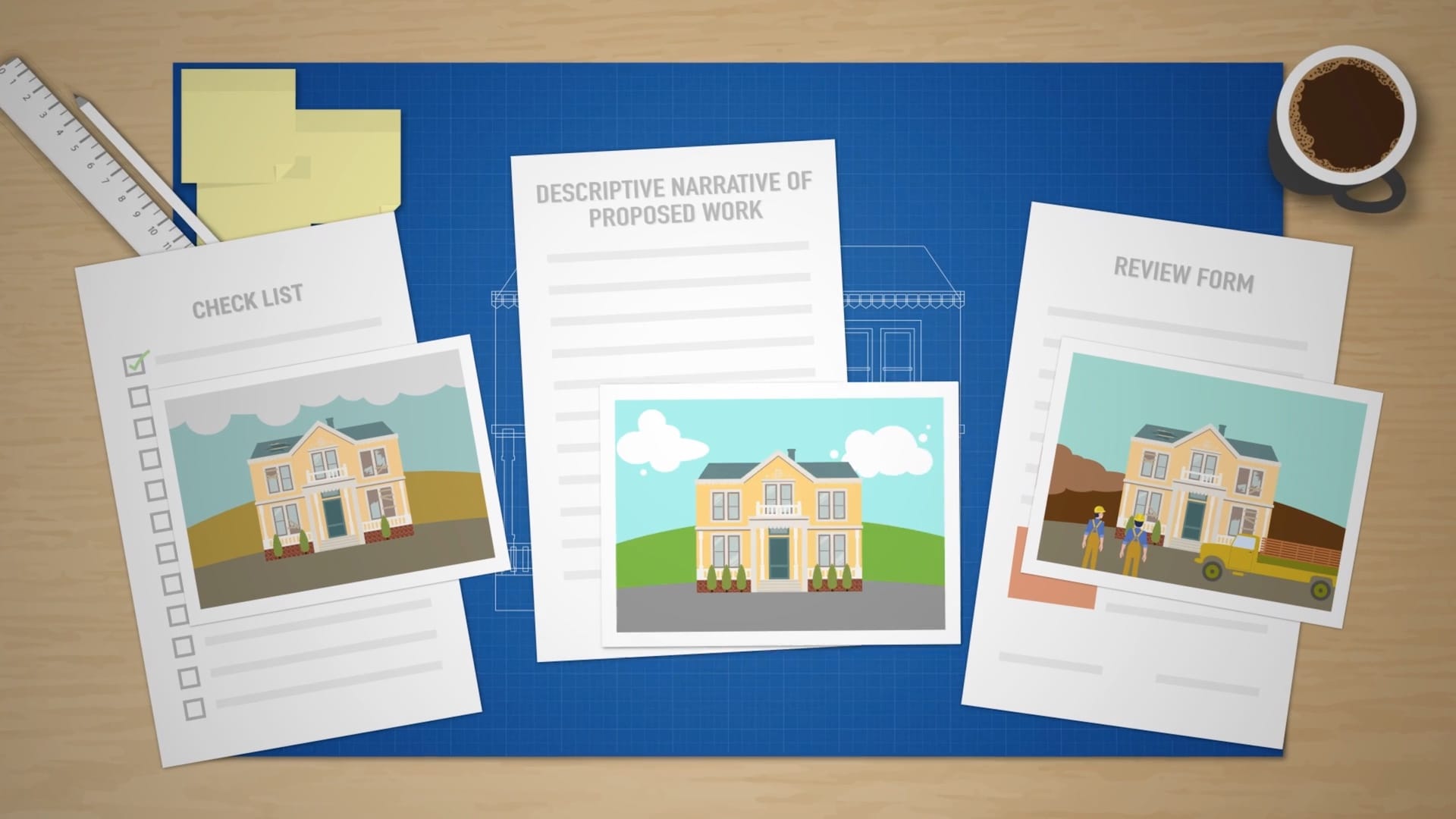
Animation helps explain the invisible, repeat the complex, and make training easier to retain.
Read article
Production
Production
A clear-eyed guide to the money side of production: what drives scope, where costs hide, and how better planning protects the final piece.
Read article
Production
Production
How To Create Effective Training Videos is a production read about what needs to be planned, captured, protected, and handed to post so the finished piece has a real chance to work.
Read article
Business
Business
How To Make A Training Video shapes the budget conversation: the scope drivers to understand, the risks to plan around, and the decisions worth making before production starts.
Read article
Production
Production
Maximizing Learner Engagement in Training Videos is a production read about what needs to be planned, captured, protected, and handed to post so the finished piece has a real chance to work.
Read article
Production
Production
Utilizing Interactive Elements in Training Videos is a production read about what needs to be planned, captured, protected, and handed to post so the finished piece has a real chance to work.
Read articleKeep Exploring
Related services, examples, and deeper reads add context around the creative choices, production decisions, and tradeoffs behind this topic.
Services
These service paths show where the production, post, animation, or package conversation usually goes next.
Service
Animation and motion graphics for brands, agencies, and organizations that need complex ideas, products, data, processes, or brand moments made easier to understand.
Open pageService
AI Video Pre-Visualization from ECG Productions helps preview the idea, test the shape of the story, and make creative decisions easier to approve.
Open pageService
Animatics from ECG Productions helps preview the idea, test the shape of the story, and make creative decisions easier to approve.
Open pageService
Explainer video production for teams that need customers, employees, investors, or users to understand a product, service, process, platform, or idea quickly.
Open pageWork
These examples show what the service, article, or category can look like in finished work.
2D and 3D Animation
Arby’s | Arby’s Foundation Impact shows how designed motion can make an idea clearer, more memorable, and easier to follow. It helps teams compare script clarity, st...
Open page2D and 3D Animation
The Arthur M. Blank Hospital: Amazing News From CHOA shows how designed motion can make an idea clearer, more memorable, and easier to follow. It helps teams compare...
Open pageBranded Content
Wyclef Jean and more Talent | Hello My Name Is… Episode 6 is story-led brand work, which means the finished piece has to show more than polish. The important read is...
Open pageRelated articles
These pieces add context around process, budget, creative choices, common mistakes, and what to ask next.
Strategy
Mastering YouTube SEO for Sky-High Rankings and Unmatched Engagement is a strategy read for teams deciding who the video needs to reach, what it needs to say, where...
Open pageProduction
How to Make a TV Commercial That Stands Out | Strategy + Creative Tips is a production read about what needs to be planned, captured, protected, and handed to post s...
Open pageBlog
An ECG field note on Gigabit Speed: 4 Huge Reasons That It's A Faster Option, with practical production context for the choices that shape what the audience sees and...
Open pageProduction
Training Employees in a Post-Pandemic World is a production read about what needs to be planned, captured, protected, and handed to post so the finished piece has a...
Open pageNext step
When this starts to sound like your situation, bring ECG the goal and the constraints.
Share This Article
Share the article, project, or service page with a teammate, client, producer, or stakeholder who needs the context before the next decision.