Discover practical steps to plan corporate videos that highlight your brand’s story, engage your audience, and deliver measurable results—from strategy through post-production.
Help marketing and production teams plan corporate videos that effectively communicate their brand’s value and meet strategic goals.
Start with Clear Video Goals and Audience Insight
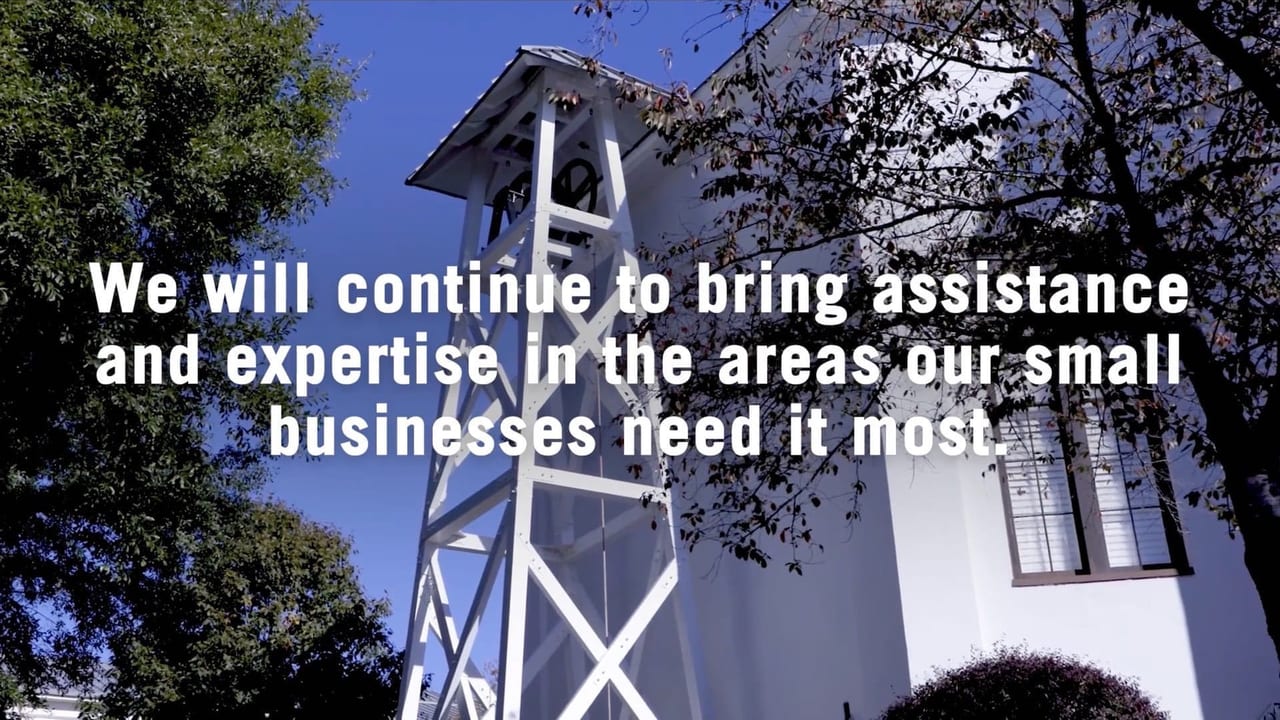
Before any camera rolls, clarify who the video is for and what it must achieve. Is it to attract new clients, educate partners, or boost internal morale? Understanding your audience’s knowledge level and motivations shapes every production choice—from script to style to distribution. For example, Chief Fire Protection’s video needed to show their expertise and the vital role of UGA SBDC’s support, so the storytelling balanced technical detail with approachable visuals. Defining these elements early avoids costly revisions and keeps your message sharp.
Scope Your Production Around Deliverables and Distribution
The scope of your video project directly affects budget and timeline. Are you creating a single interview piece, a multi-location commercial, or a campaign with multiple cutdowns? Each requires different crew sizes, equipment, and post-production resources. For Chief Fire Protection, shooting on location with a Black Magic Pocket Cinema camera allowed for cinematic quality without excessive overhead. Knowing where the video will live—website, social media, broadcast—also guides format and length decisions. Align your production plan with these deliverables to protect your budget.
Leverage Visual Storytelling and Post-Production to Elevate Impact
Visual choices like camera movement, color grading, and sound design turn footage into a compelling narrative. Our Director of Photography used macro shots and rack-focus techniques to highlight Chief Fire Protection’s equipment and workspace, creating a tactile sense of authenticity. Meanwhile, colorist Jenn Lee enhanced the reds and blues to reinforce brand identity and mood. Thoughtful post-production isn’t just polish—it’s a strategic tool to emphasize your message and engage viewers emotionally.
Plan Your Review and Approval Process Early
A smooth review process keeps your project on schedule and budget. Identify who needs to approve the video and how many rounds of feedback are realistic. Clear deadlines and versioning expectations prevent bottlenecks. For Chief Fire Protection’s highlight video, understanding the stakeholders’ priorities upfront helped us focus edits on the most impactful story beats. Establishing this workflow early ensures the final video isn’t just finished but truly successful.
Bring Your Assets and References to the First Conversation
When you first connect with a production partner, bring your existing footage, brand guidelines, sample videos, and any must-have elements. Point out what you like and dislike about reference videos—tone, pacing, style—to help the team grasp your vision quickly. This approach lets producers recommend the right service path and production plan without guesswork. For example, sharing Chief Fire Protection’s brand story and visual preferences helped us tailor a production that felt authentic and on-brand from day one.
FAQ
What should I prepare before contacting a video production company?
Have a clear goal for your video, know your target audience, gather any existing brand assets or footage, and prepare reference videos that illustrate your preferred style or tone.
How does the number of locations affect my video budget?
More locations increase costs due to travel, setup time, permits, and crew needs. Each location adds complexity to scheduling and logistics, so it’s important to factor this into your budget early.
Why is post-production important beyond editing footage?
Post-production includes color grading, sound design, motion graphics, and final delivery formats. These elements enhance storytelling, reinforce brand identity, and ensure your video performs well across platforms.
What should a team understand about UGA SBDC | Chief Fire Protection - Business Highlight?
The useful takeaway is how audience, creative direction, production choices, post-production, approvals, and delivery needs shape the final video plan.
Where should this kind of project start?
Start with the goal, audience, deadline, where the finished piece needs to live, and the practical constraints that will affect creative and production decisions.
How can ECG help with the next step?
ECG can help connect the creative idea to production planning, filming, post-production, versioning, and delivery so the finished work fits the channel and the audience.