Explore the practical pros and cons of film school and hands-on experience to decide the best path for your filmmaking goals, budget, and career growth.
Help aspiring filmmakers choose between film school and hands-on experience by outlining the production realities, benefits, and trade-offs of each path.
Understanding the Film School vs Hands-On Experience Debate
If you’re aiming to build a career in filmmaking, one of the first big decisions is whether to pursue formal education or jump straight into real-world production. Film school offers a structured curriculum, access to professional equipment, and mentorship — a creative incubator to develop your voice and foundational skills. Hands-on experience, on the other hand, immerses you immediately in the fast-paced realities of production, teaching you problem-solving, set etiquette, and technical skills through direct involvement. Both paths have distinct advantages and challenges that affect your learning style, career trajectory, and financial planning.
What Film School Really Offers Filmmakers
Film school provides a comprehensive, step-by-step education covering directing, cinematography, editing, screenwriting, and production management. You get access to industry-standard gear and software, plus guidance from experienced faculty and visiting professionals. This environment encourages experimentation and creative risk-taking without the pressure of client deadlines. It’s ideal if you want a well-rounded foundation and a network of peers to collaborate with. However, film school comes with significant tuition costs and may not fully prepare you for the unpredictable pace and constraints of real-world shoots.
The Value of Learning Through Hands-On Experience
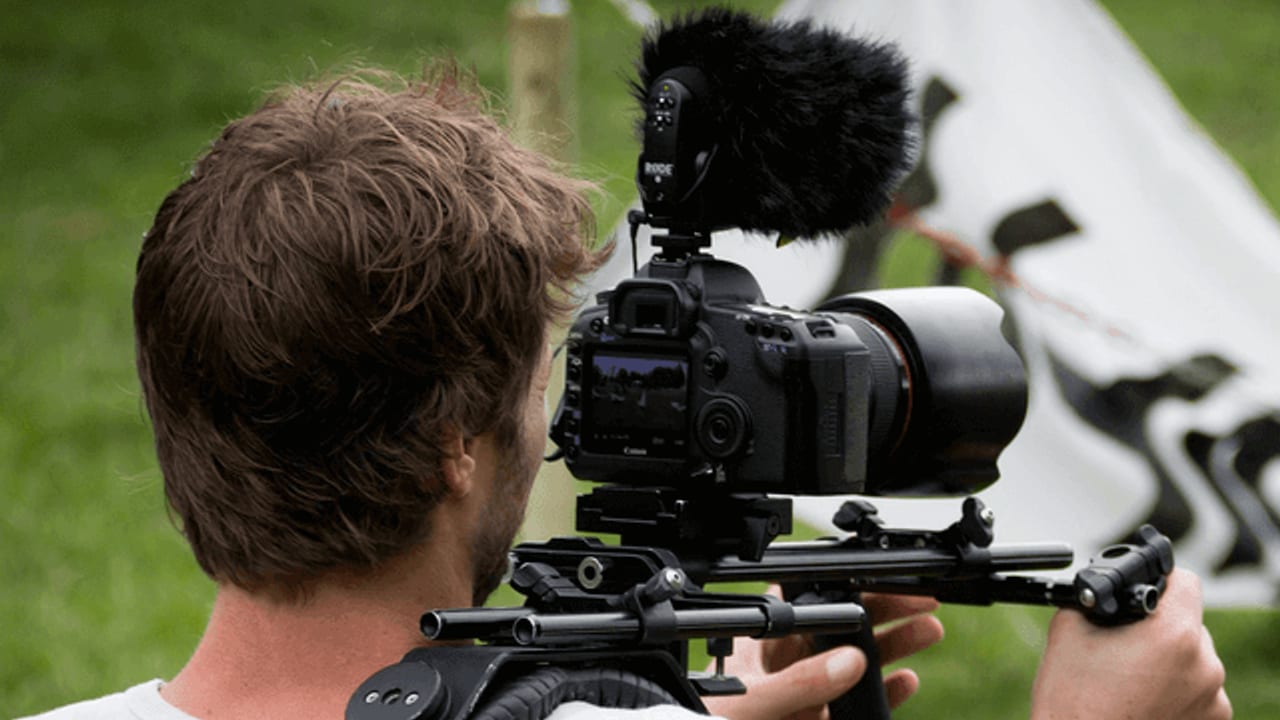
Jumping into production roles — whether as a production assistant, intern, or freelancer — puts you face-to-face with the realities of set life from day one. You learn how to adapt quickly, communicate effectively, and solve problems on the fly. This path often leads to faster paid opportunities and real credits, especially if you’re focused on a specific craft like editing, color grading, or sound design. The downside is a lack of formal structure and limited access to high-end equipment or mentorship, which can slow down creative exploration and skill diversification.
Blending Both Paths for Maximum Impact
Many successful filmmakers combine formal education with hands-on experience. Film school lays the groundwork in storytelling and technical theory, while on-set work sharpens practical skills and industry savvy. This hybrid approach helps you build a strong reel and develop the collaboration and communication skills that production demands. At ECG Productions, we value candidates who demonstrate both creative vision and real-world production know-how, regardless of their background. The key is continuous learning and applying what you’ve absorbed in any environment.
Making Your Decision: What to Consider
Choosing between film school and hands-on experience depends on your learning preferences, career goals, financial situation, and risk tolerance. Ask yourself: Do you thrive with structured guidance or prefer learning by doing? Are you targeting directing, producing, post-production, or on-set roles? Can you invest in tuition, or do you need to earn while you learn? Understanding your personal priorities will help you select the path that aligns with your ambitions and lifestyle. Remember, whichever route you take, your dedication and adaptability will shape your success.
FAQ
Is film school necessary to become a successful filmmaker?
Film school is not strictly necessary but offers structured learning, access to equipment, and mentorship that can accelerate your creative development. Many successful filmmakers have also built careers through hands-on experience alone.
How can hands-on experience help me build a filmmaking career?
Hands-on experience exposes you to real production challenges, helps you develop practical skills quickly, and often leads to paid opportunities and industry connections. It’s especially valuable for learning set etiquette and problem-solving in fast-paced environments.
Can I combine film school and hands-on experience effectively?
Yes. Combining formal education with practical production work can give you a strong foundation and real-world skills. Many filmmakers start with film school and then gain experience on set, or vice versa.
What should a team understand about Film School or Hands-On Experience: The Eternal Tug-of-War"?
The useful takeaway is how audience, creative direction, production choices, post-production, approvals, and delivery needs shape the final video plan.
Where should this kind of project start?
Start with the goal, audience, deadline, where the finished piece needs to live, and the practical constraints that will affect creative and production decisions.
How can ECG help with the next step?
ECG can help connect the creative idea to production planning, filming, post-production, versioning, and delivery so the finished work fits the channel and the audience.