Discover how to plan and produce clear, effective overview videos like Arbor Vita8’s hemp industry explainer. Learn practical steps for strategy, animation, approvals, and
Help marketing and production teams decide how to plan and execute a strategic overview video that clearly explains complex industry topics.
Start With a Clear Communication Goal
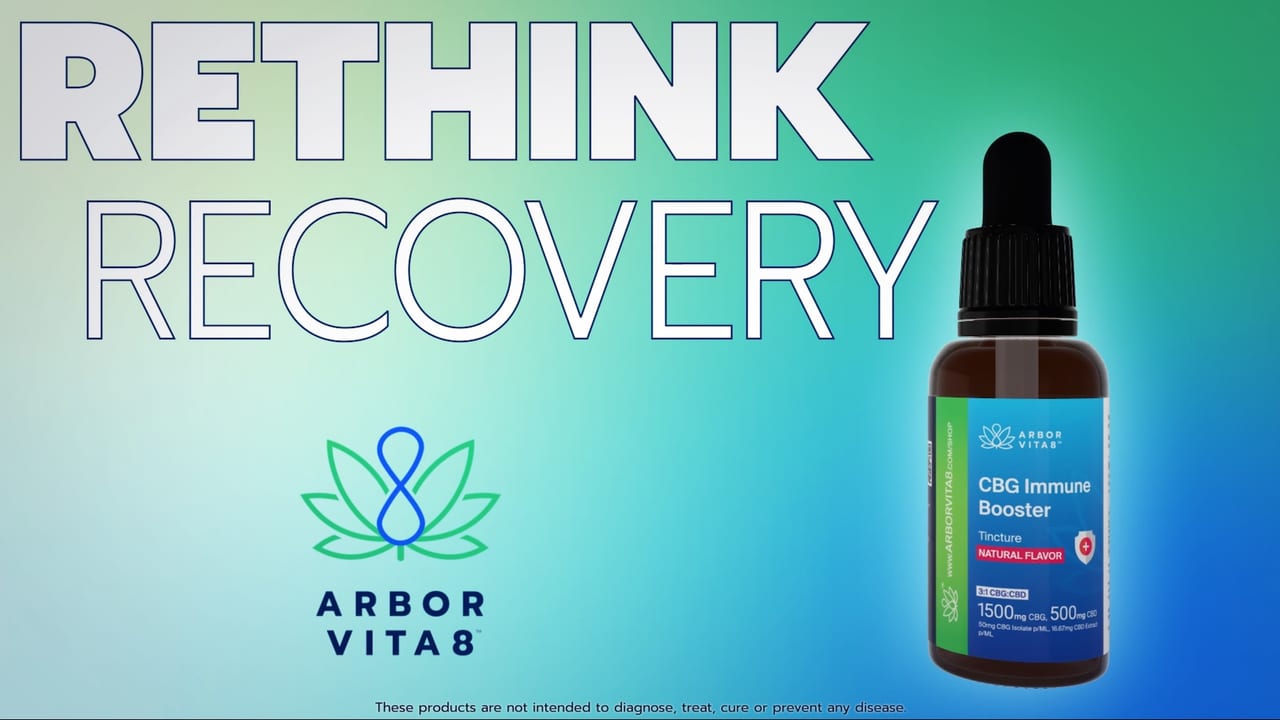
Every successful overview video begins with a sharp understanding of who needs to watch and what they need to learn. For Arbor Vita8, the goal was to educate viewers on hemp processing and position the brand as an industry leader. Before spending a dime on production, clarify the audience’s existing knowledge, the key messages, and what success looks like. This strategic foundation guides every creative decision from script to final cut.
Choose the Right Visual Approach: Animation, Live Action, or Both
Arbor Vita8’s video uses a blend of 2D and 3D animation to make complex processes visually accessible without overwhelming the viewer. Animation can simplify abstract ideas, show internal processes, or visualize data that live action can’t capture effectively. Deciding between 2D, 3D, motion graphics, or live action plus graphics depends on your message clarity, brand style, and budget. ECG’s production experts can help match your story to the right format.
Plan Production Around Brand and Approval Needs
A strong overview video respects brand guidelines and anticipates the approval process. Define the brand tone, visual style, runtime, and accuracy requirements upfront. For Arbor Vita8, the animation style reflects their vivacious brand personality while staying informative. Knowing who approves the video and their feedback process prevents costly last-minute changes. Early alignment on these factors streamlines production and post-production.
Use Voice and Sound to Enhance Clarity and Engagement
The voiceover is a critical storytelling tool. Arbor Vita8 chose a clear, confident voice that delivers technical information with warmth and authority. Sound design and music should support the message without distracting. Plan recording sessions with experienced voice talent and allow time for multiple takes and approvals. Good audio elevates the professionalism and accessibility of your overview video.
Prepare for Distribution and Future Use
Know where your overview video will live—website, social media, trade shows—and tailor the format and length accordingly. Arbor Vita8’s video is designed to educate broadly, so pacing and runtime suit both online and in-person viewing. Also, plan for rights management, versioning, and asset reuse. A well-structured production workflow anticipates these needs, making your video a versatile tool across campaigns.
FAQ
Why choose animation over live action for an overview video?
Animation can simplify complex or abstract concepts, making them easier to understand. It allows visualization of processes or data that are difficult to capture with live footage, and offers greater creative control over style and pacing.
How do I ensure my overview video aligns with brand guidelines?
Start by defining your brand tone, visual style, and messaging before production. Share these guidelines with your production team and set clear approval steps to maintain consistency throughout the project.
What should I consider when planning the voiceover for my video?
Choose a voice that matches your brand personality and audience expectations. Schedule professional recording sessions, allow time for revisions, and ensure the script is clear and concise to keep viewers engaged.
What should a team understand about Arbor Vita8 | Overview?
The useful takeaway is how audience, creative direction, production choices, post-production, approvals, and delivery needs shape the final video plan.
Where should this kind of project start?
Start with the goal, audience, deadline, where the finished piece needs to live, and the practical constraints that will affect creative and production decisions.
How can ECG help with the next step?
ECG can help connect the creative idea to production planning, filming, post-production, versioning, and delivery so the finished work fits the channel and the audience.