Discover practical insights and strategies for landing and succeeding in a video production internship, from early preparation to on-set experience and career growth.
Help readers understand how to secure and thrive in a video production internship to build a foundation for a career in film and video.
Why a Video Production Internship Is Your First Step
Breaking into video production starts with getting your foot in the door. Internships offer hands-on experience across pre-production, production, and post-production stages that no class or tutorial can replicate. They’re your chance to learn the ropes—camera setups, lighting, editing workflows, audio capture, and client communication—while building relationships that open doors to paid roles. In a competitive market like Atlanta’s booming film scene, an internship is often the critical first step to stand out.
Preparing Before You Apply: Skills and Research
You don’t need to be a Spielberg to land an internship, but having a working knowledge of industry tools and processes helps you hit the ground running. Familiarize yourself with common video production software like Adobe Premiere Pro and DaVinci Resolve, and understand basic camera operation and lighting principles. Use online resources and YouTube tutorials to build foundational skills. Research the companies you want to work with—know their style, clients, and recent projects. This preparation shows initiative and makes you a stronger candidate.
The Power of Informational Interviews
Before applying, set up informational interviews with professionals in the field. These casual conversations help you learn about the day-to-day realities of video production, company culture, and hiring practices without the pressure of a formal interview. They also build your network and can lead directly to internship opportunities. At ECG Productions, many interns come through connections made during these conversations, which demonstrate your genuine interest and proactive approach.
What to Expect During Your Internship
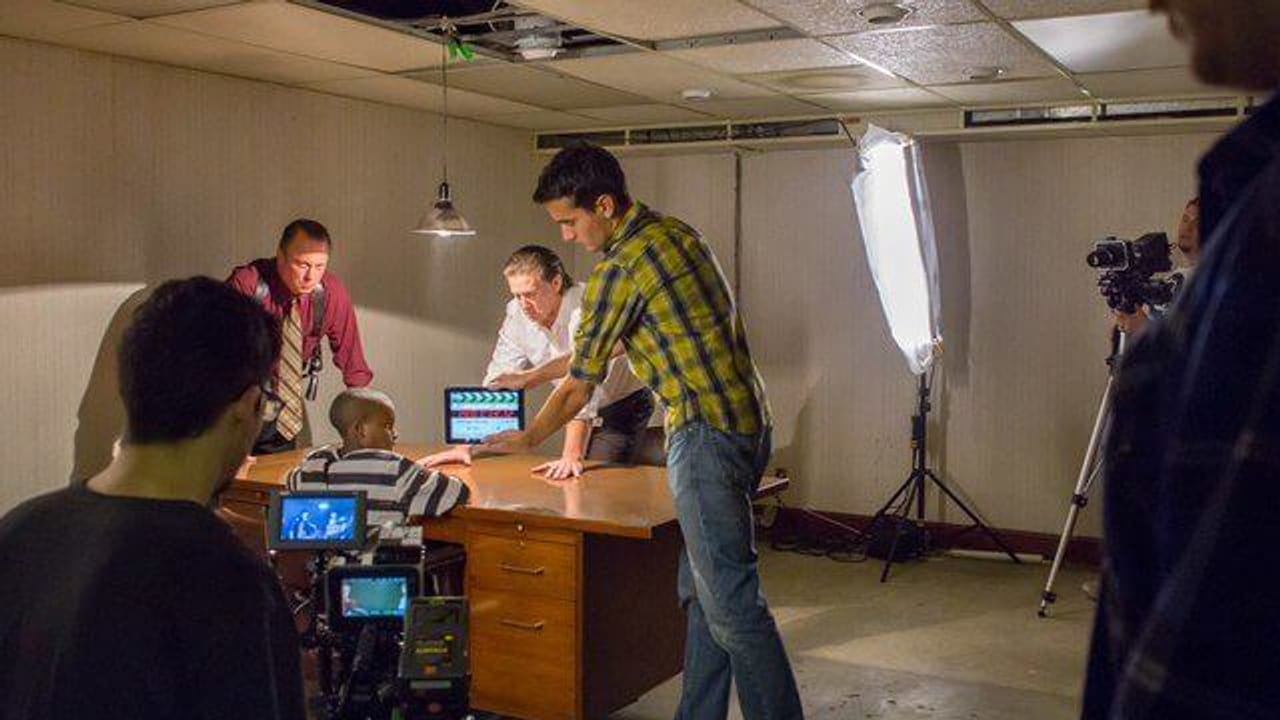
Expect a fast-paced, hands-on learning environment where you’ll assist with everything from equipment prep and on-set support to logging footage and helping with edits. You’ll gain exposure to client approvals, rights management, and delivery formats—key production realities that shape every project. Your attitude, reliability, and eagerness to learn often matter more than your current skill level. Take every task seriously and ask questions to deepen your understanding.
Turning Your Internship Into a Career
An internship is not just a temporary position—it’s a stepping stone. Use it to build a professional portfolio, gather references, and understand how to navigate client expectations and production workflows. Stay connected with your team after your internship ends and seek feedback to improve. Many full-time roles come from former interns who proved their value and fit. Planning your next steps early, including continuing education and networking, keeps your career trajectory moving forward.
FAQ
What skills should I focus on before applying for a video production internship?
Focus on basic camera operation, lighting fundamentals, and editing software like Adobe Premiere Pro or DaVinci Resolve. Understanding the full production workflow and having a willingness to learn on set are equally important.
How can informational interviews help me get an internship?
Informational interviews let you build relationships with industry professionals, gain insider knowledge, and demonstrate your enthusiasm. They often lead to referrals or direct internship opportunities.
What tasks will I typically perform during a video production internship?
Interns assist with equipment setup, on-set support, logging footage, helping with editing, and sometimes client communication. These tasks provide a broad overview of the production process.
What should a team understand about BEHIND THE SCENES: THE VIDEO PRODUCTION INTERNSHIP PROCESS?
The useful takeaway is how audience, creative direction, production choices, post-production, approvals, and delivery needs shape the final video plan.
Where should this kind of project start?
Start with the goal, audience, deadline, where the finished piece needs to live, and the practical constraints that will affect creative and production decisions.
How can ECG help with the next step?
ECG can help connect the creative idea to production planning, filming, post-production, versioning, and delivery so the finished work fits the channel and the audience.