Explore the practical production insights behind Kimberly-Clark’s 100 Years of Research & Engineering documentary, from strategy and filming to post-production and distribution.
Help marketing and production professionals understand how to plan and execute a documentary-style brand video that connects audience, message, and distribution effectively.
Why Marketing Videos Must Earn Attention Quickly
The Kimberly-Clark documentary shows a fundamental truth: your video must engage viewers immediately. In today’s crowded media landscape, a documentary or brand video isn’t just a finished file—it’s a strategic tool that connects your audience, message, visual storytelling, pacing, distribution channels, and calls to action. Without a clear reason for viewers to care early on, even the most beautifully shot footage risks being overlooked. This means production decisions—from scripting and interview style to editing rhythm—must serve that urgency.
Planning Multiple Versions Before You Shoot
One of the smartest production moves in the Kimberly-Clark project was anticipating multiple deliverables before the cameras rolled. Beyond the main documentary cut, consider what other versions your campaign needs: shorter cutdowns for social, vertical crops for mobile platforms, captioned edits for silent autoplay environments, thumbnails for landing pages, and formats tailored to paid media or internal communications. Planning these versions early influences how you shoot—framing for different aspect ratios, capturing extra B-roll, and scheduling interviews with enough coverage to support flexible editing.
Production Choices That Shape Audience Connection
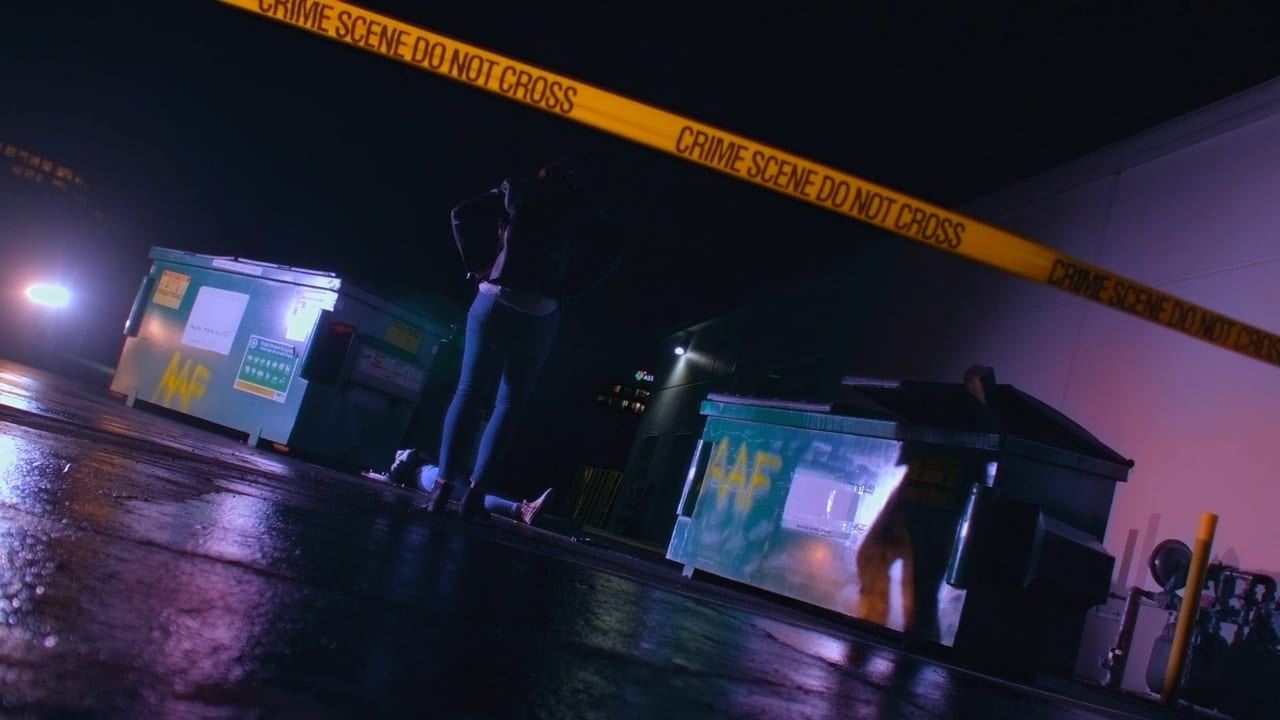
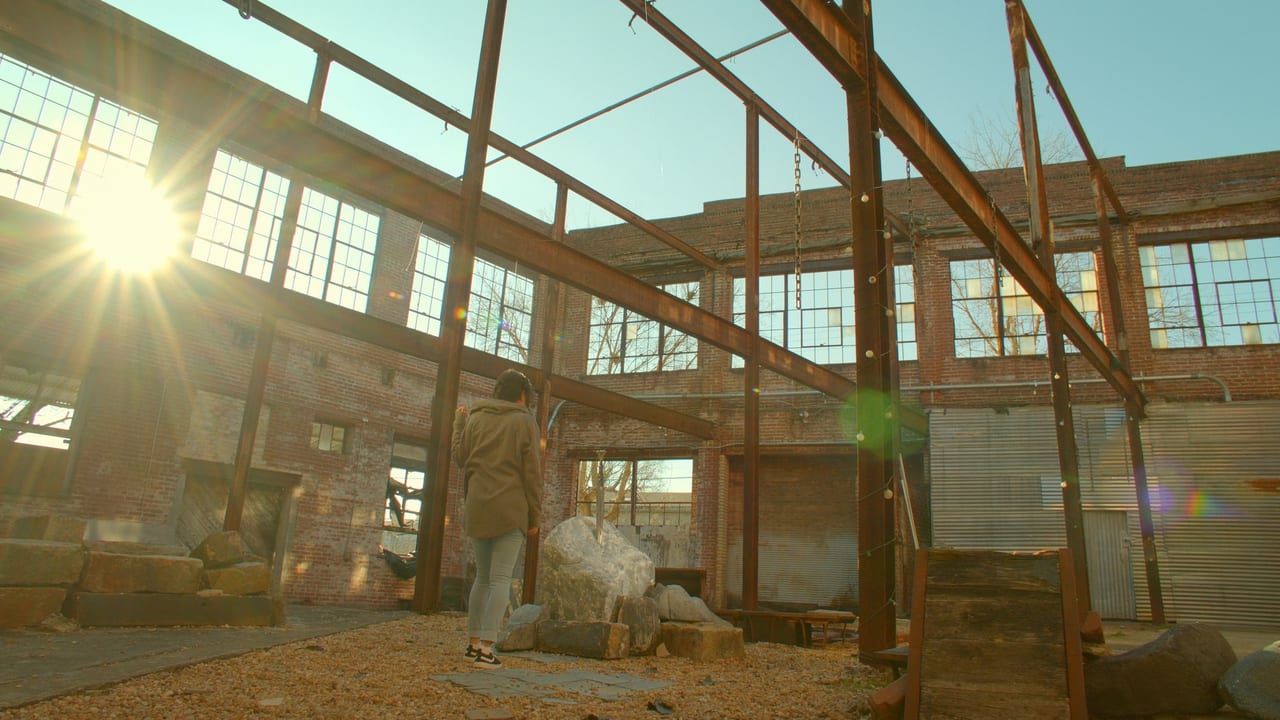
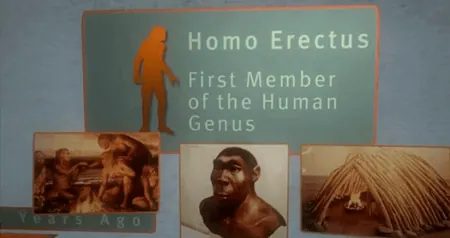
Kimberly-Clark’s documentary was shot on Blackmagic Cinema Production Cameras, chosen for their cinematic quality and flexibility in post. Location shoots in Roswell, GA, and Neenah, WI, added authenticity by showing real environments. Interviews with key employees were carefully framed and paced to build trust and credibility. Vintage photos were enhanced with subtle 3D effects in post-production, adding visual interest without distracting from the story. These production choices—camera, location, interview style, and visual effects—work together to create a polished, premium feel that supports the brand’s legacy.
Post-Production: Crafting the Story with Premiere Pro and After Effects
Post-production is where the documentary’s story truly comes alive. Using Adobe Premiere Pro for editing allowed precise control over pacing and narrative flow, ensuring the video held viewer attention throughout its 21-minute runtime. Adobe After Effects was employed to treat vintage photos with a faux 3D effect, adding depth and modern polish to archival content. Sound design and color grading were tailored to maintain a consistent tone that feels both warm and authoritative. This stage also involved preparing multiple export versions, optimizing each for its intended platform and audience.
How ECG Supports Your Documentary or Brand Video Project
ECG Productions bridges creative development, production, post, and delivery with a clear focus on your video’s purpose and audience. Whether you need branded content, video marketing support, or documentary storytelling, we help you define who needs to care, what the video must prove, and where it will be watched. By aligning your goals with practical production plans and portfolio examples, ECG ensures your project isn’t just finished—it’s successful. Start your conversation with us by sharing your audience, key messages, deadlines, assets, brand guidelines, and must-have deliverables.
FAQ
What makes a documentary-style brand video effective for marketing?
An effective documentary-style brand video quickly connects with its audience by combining authentic storytelling, relevant interviews, compelling visuals, and a clear message that supports the brand’s goals. It also considers distribution platforms and viewer behavior to maintain engagement throughout.
Why should I plan multiple versions of my video before shooting?
Planning multiple versions upfront ensures you capture the right footage and coverage to create edits tailored for different platforms and purposes—such as social media, internal communications, or paid ads—saving time and cost in post-production.
How does post-production enhance a documentary’s impact?
Post-production shapes pacing, narrative clarity, and visual style. Techniques like color grading, sound design, and motion graphics (e.g., 3D effects on photos) add polish and emotional resonance, making the story more engaging and professional.
What should a team understand about Kimberly-Clark | Documentary: 100 Years of R&E?
The useful takeaway is how audience, creative direction, production choices, post-production, approvals, and delivery needs shape the final video plan.
Where should this kind of project start?
Start with the goal, audience, deadline, where the finished piece needs to live, and the practical constraints that will affect creative and production decisions.
How can ECG help with the next step?
ECG can help connect the creative idea to production planning, filming, post-production, versioning, and delivery so the finished work fits the channel and the audience.