ECG Productions
ECG Blog

Production

How to Plan and Produce Effective Remote Employee Training Post-Pandemic

Discover practical production strategies for creating remote employee training that saves costs, boosts engagement, and delivers lasting impact in a post-pandemic world.

Updated Jun 28, 20263 min readProduction
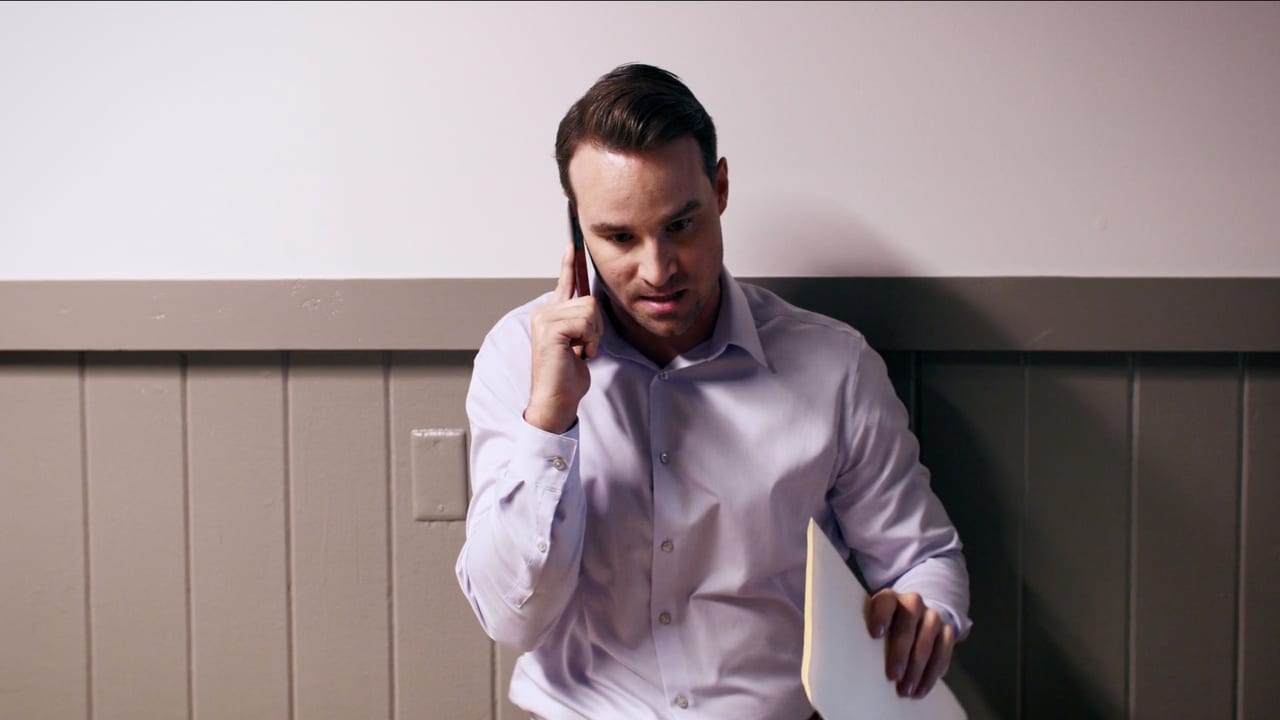
Training Employees in a Post-Pandemic World article image showing ECG Productions crew, cameras, or on-set production work.

Production

Budget context for teams trying to scope video without guessing.

Budget Context

Understand what actually drives video production cost.

Real production cost comes from scope, not vague numbers. Crew, schedule, locations, talent, post, versions, and approvals all shape what a smart budget needs to protect.

Keep the old cost lesson, update the scope conversation.

Older budget articles can still be useful because the core tradeoffs have not disappeared: crew, locations, schedule, talent, edit time, versions, usage, and approval rounds still shape what a video really costs.

Do not treat any number as universal.

The real lesson is that cost only makes sense after the variables are named. Crew, locations, schedule, talent, edit time, versions, usage, and approval rounds all need to support what the project has to accomplish.

Bring useful context into the first call.

Bring the goal, audience, deadline, must-have deliverables, distribution channels, examples you like, and any restrictions. That gives ECG enough context to talk about a real path instead of a generic estimate.

Article

Discover practical production strategies for creating remote employee training that saves costs, boosts engagement, and delivers lasting impact in a post-pandemic world.

Help brands and producers decide how to plan, capture, and deliver remote employee training content that works in today’s hybrid work environment.

Why Remote Training Is a Strategic Production Choice Today

The pandemic accelerated a shift to remote work and training, but the production challenges remain: how do you create training content that’s engaging, accessible, and reusable? Remote training isn’t just about recording a Zoom call—it’s a chance to rethink your entire production approach. Planning upfront for clear scripts, multiple camera angles, clean audio, and flexible editing options ensures your training videos serve both live and on-demand learners. This strategic production mindset saves time and money in the long run, while delivering a premium experience that respects employees’ varied schedules and learning styles.

Pre-Production: Planning for Flexibility and Accessibility

Effective remote training starts long before the cameras roll. Identify your training goals and learner personas to tailor content that fits diverse needs. Script tightly to avoid rambling, and break lessons into digestible modules for easier consumption and repurposing. Plan for closed captions and multiple language tracks to increase accessibility. Consider filming in controlled environments to ensure consistent lighting and sound quality, or use screen capture combined with voiceover for software training. Pre-production also includes securing rights for any third-party materials and planning for approvals to keep your project on schedule.

Production: Capturing Quality Content for Multiple Uses

On set or in virtual shoots, prioritize high-quality video and audio capture. Use professional cameras and microphones rather than relying on webcams or phone mics to maintain a polished look and clear sound. Capture B-roll footage or screen recordings to illustrate key points and keep learners engaged. If filming instructors remotely, coach them on framing, lighting, and speaking clearly. Record multiple takes if possible to give editors options. This production discipline creates training assets that can be reused in e-learning modules, internal communications, or onboarding kits.

Post-Production: Editing for Engagement and Longevity

Post-production transforms raw footage into a focused, engaging training experience. Editors should tighten pacing, add graphics or animations to clarify complex ideas, and integrate branding elements consistently. Color correction and audio mixing elevate the professional feel. Incorporate interactive elements like quizzes or clickable chapters if the platform supports it. Ensure final videos are optimized for various devices and bandwidths, so employees can access training anytime, anywhere. Finally, establish a clear approval workflow with stakeholders to avoid costly revisions and delays.

Delivering and Updating Remote Training Content

Once your training videos are finalized, choose delivery platforms that support tracking and reporting to measure learner engagement. Cloud-based LMS or video portals allow employees to revisit content as needed, supporting different learning paces and reducing anxiety. Plan for periodic content reviews and updates to keep training relevant, especially in fast-changing industries. Maintaining a modular content library enables quick replacements or additions without reshooting entire courses. This ongoing production investment maximizes ROI and keeps your workforce prepared for evolving challenges.

FAQ

What are the key production steps for creating remote training videos?

Key steps include thorough pre-production planning (scripts, accessibility, rights), high-quality production capture (video, audio, B-roll), focused post-production editing (graphics, pacing, branding), and strategic delivery on platforms that support flexible access and tracking.

How can remote training videos reduce costs for companies?

Remote training eliminates expenses like venue rental, travel, printed materials, and in-person trainer fees. Investing in well-produced digital content creates reusable assets that save money over time and allow employees to learn at their own pace.

What production techniques improve engagement in remote training?

Using multiple camera angles, clear audio, on-screen graphics, animations, and breaking content into short modules helps maintain attention. Interactive elements and accessible design also boost learner engagement and retention.

What should a team understand about Training Employees in a Post-Pandemic World?

The useful takeaway is how audience, creative direction, production choices, post-production, approvals, and delivery needs shape the final video plan.

Where should this kind of project start?

Start with the goal, audience, deadline, where the finished piece needs to live, and the practical constraints that will affect creative and production decisions.

How can ECG help with the next step?

ECG can help connect the creative idea to production planning, filming, post-production, versioning, and delivery so the finished work fits the channel and the audience.


Related ECG Portfolio Video

See the article idea in finished ECG work.

Use The Fat Boy Chronicles as an ECG-produced reference for How to Plan and Produce Effective Remote Employee Training Post-Pandemic. Compare the audience, tone, distribution plan, and production choices before turning the article into a creative brief.

YouTubeFeature Film TrailerRelated Training workRelated Video Editing work
Open the project

Feature film trailer

The Fat Boy Chronicles

A feature-film trailer for The Fat Boy Chronicles, produced by Tin Roof Films in association with ECG Productions, connecting a book-based bullying story to a finished screen project with a clear audience and distribution context.

Visual Context

Connect the article to the kind of work people can actually picture.

Articles perform better when readers can see what the thinking points toward. This visual break connects the topic to ECG production, post-production, real examples, and the next practical decision instead of leaving the page as a long read with no visual rhythm.

See related work

Article FAQ

Practical answers for the production decision.

These answers add practical context for the decisions that usually sit behind production work: scope, timing, creative direction, production approach, and what the finished piece needs to accomplish.

What are the key production steps for creating remote training videos?

Key steps include thorough pre-production planning (scripts, accessibility, rights), high-quality production capture (video, audio, B-roll), focused post-production editing (graphics, pacing, branding), and strategic delivery on platforms that support flexible access and tracking.

How can remote training videos reduce costs for companies?

Remote training eliminates expenses like venue rental, travel, printed materials, and in-person trainer fees. Investing in well-produced digital content creates reusable assets that save money over time and allow employees to learn at their own pace.

What production techniques improve engagement in remote training?

Using multiple camera angles, clear audio, on-screen graphics, animations, and breaking content into short modules helps maintain attention. Interactive elements and accessible design also boost learner engagement and retention.

What should a team understand about Training Employees in a Post-Pandemic World?

The useful takeaway is how audience, creative direction, production choices, post-production, approvals, and delivery needs shape the final video plan.

Where should this kind of project start?

Start with the goal, audience, deadline, where the finished piece needs to live, and the practical constraints that will affect creative and production decisions.

How can ECG help with the next step?

ECG can help connect the creative idea to production planning, filming, post-production, versioning, and delivery so the finished work fits the channel and the audience.

Next Step

Connect the article to ECG services and work.

When an article sounds like your project, compare the relevant service path and nearby work before you make a production decision.

Keep Exploring

More ECG pages related to How to Plan and Produce Effective Remote Employee Training Post-Pandemic.

Related services, examples, and deeper reads add context around the creative choices, production decisions, and tradeoffs behind this topic.

Next step

Ready to talk through the project?

When this starts to sound like your situation, bring ECG the goal and the constraints.

Share This Article

Send this read to the team before the next production call.

Share the article, project, or service page with a teammate, client, producer, or stakeholder who needs the context before the next decision.