Compare BMPC 4K and Canon 5D Mark III from a production perspective. Learn how codec, sensor, media, and workflow impact your shoot and post-production choices.
Help video producers and content creators decide which camera suits their production needs by comparing BMPC 4K and Canon 5D Mark III performance and workflow.
Understanding Camera Codecs and Image Quality
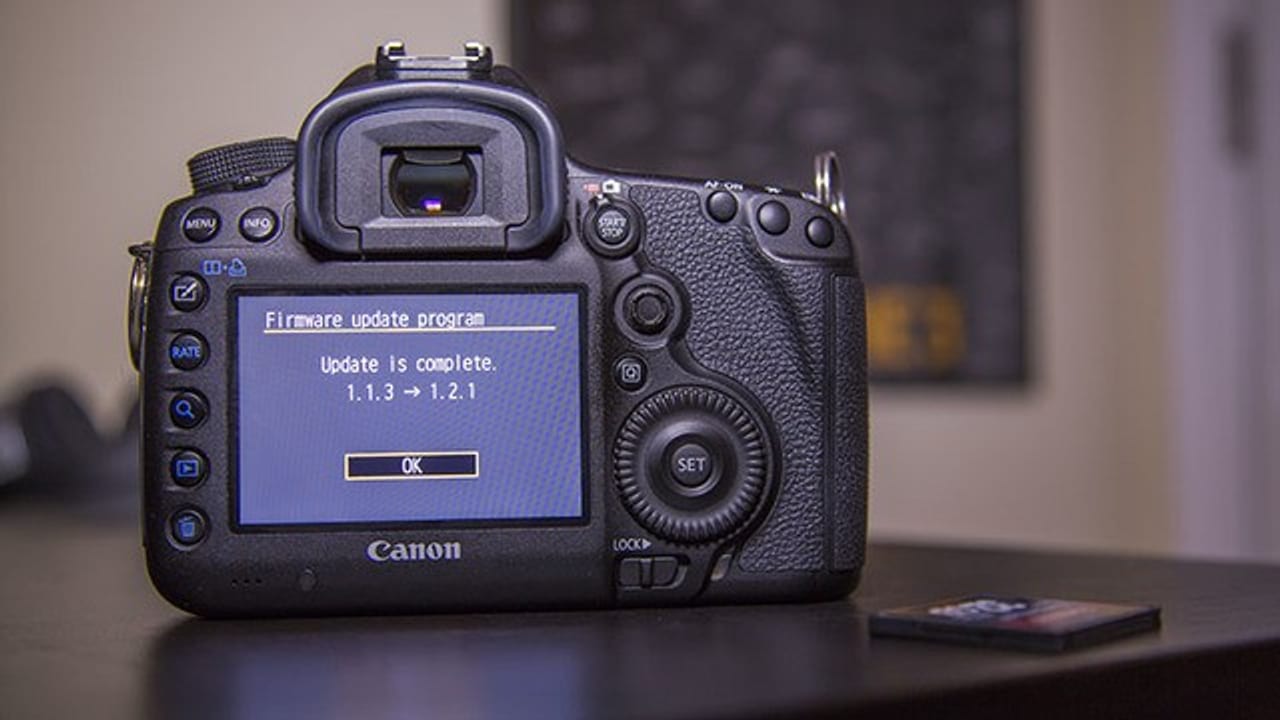
When choosing between the BMPC 4K and Canon 5D Mark III, the codec and image quality differences are critical. The BMPC 4K records in ProRes 422 (HQ), a robust codec that retains rich color information and detail, making it easier to grade and manipulate in post. In contrast, the 5D Mark III relies on h.264 for most recording, which compresses heavily and loses detail, especially in skin tones and shadows. Shooting RAW on the 5D Mark III improves quality but introduces workflow complexity, requiring conversion and more storage. For productions prioritizing color fidelity and grading flexibility, the BMPC 4K’s codec is a clear advantage.
Sensor Performance and Low-Light Considerations
The Canon 5D Mark III’s full-frame sensor excels in low-light situations, delivering cleaner images at higher ISOs, which is why many shooters still favor it for dimly lit environments. The BMPC 4K, while powerful, has a smaller sensor and can exhibit fixed pattern noise, especially when pushed to 800 ASA or higher in low light. This vertical banding can be noticeable and requires careful lighting or post-processing to mitigate. Planning your shoot’s lighting setup with this in mind will help you leverage each camera’s strengths and avoid surprises during editing.
Media and Workflow Efficiency
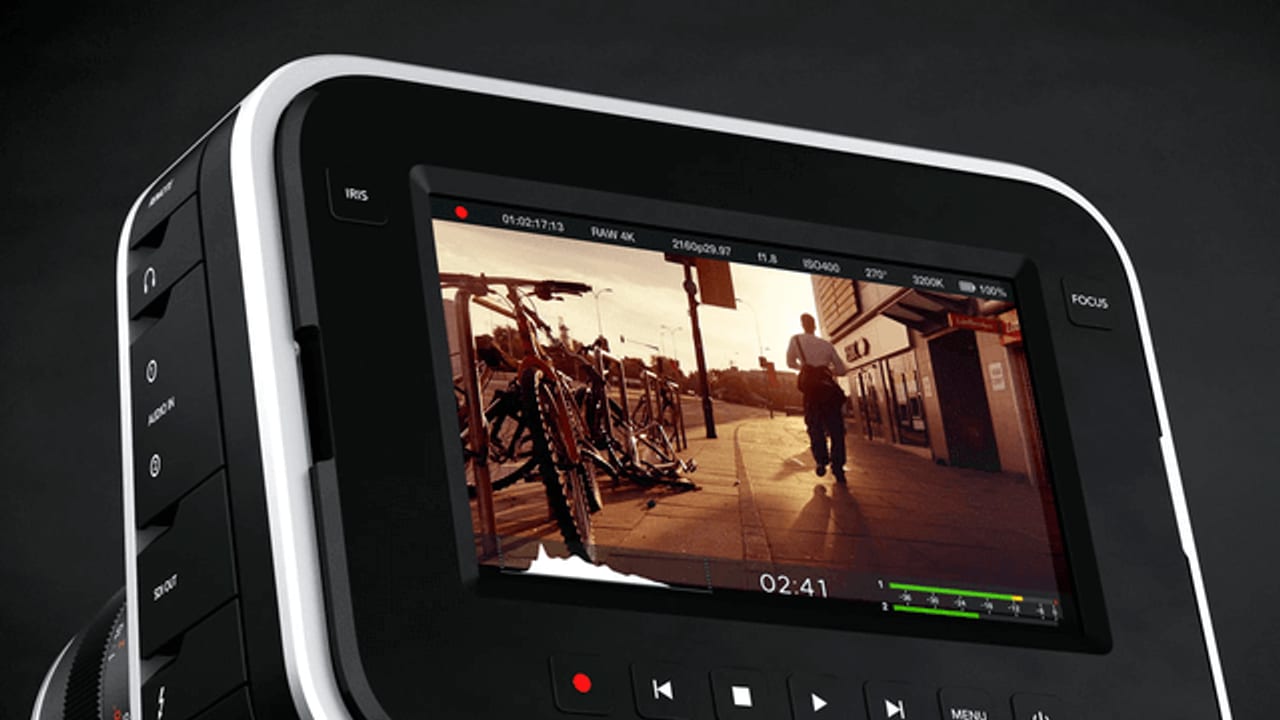
The BMPC 4K’s ability to record directly to SSDs offers a production workflow advantage. SSDs provide fast write speeds and large storage capacity at a reasonable price, enabling longer takes without interruption. However, the camera currently lacks in-camera formatting and clip deletion, so a reliable offloading and backup process is essential. The 5D Mark III uses SD cards, which are more limited in speed and capacity but offer convenience and faster media swapping on set. Post-production workflows also differ: BMPC 4K footage can be edited natively in Adobe Premiere or DaVinci Resolve without transcoding, while 5D Mark III RAW requires conversion and more processing time.
Build, Rigging, and On-Set Usability
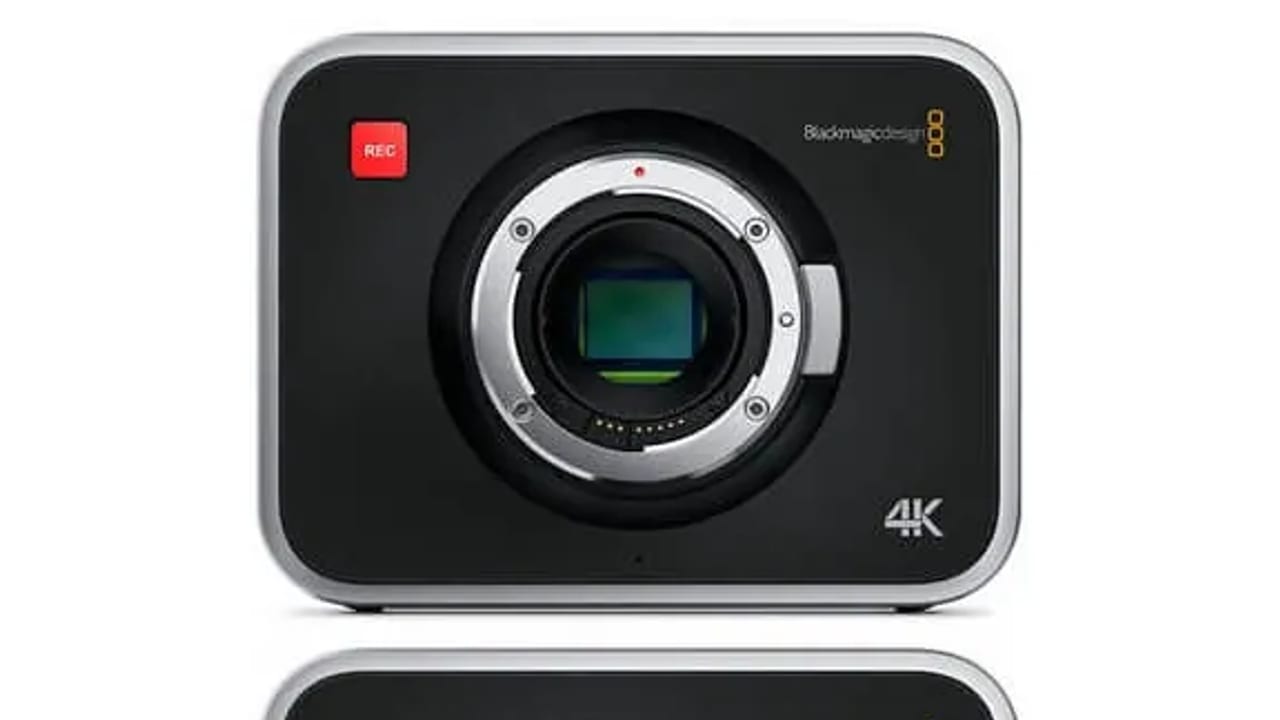
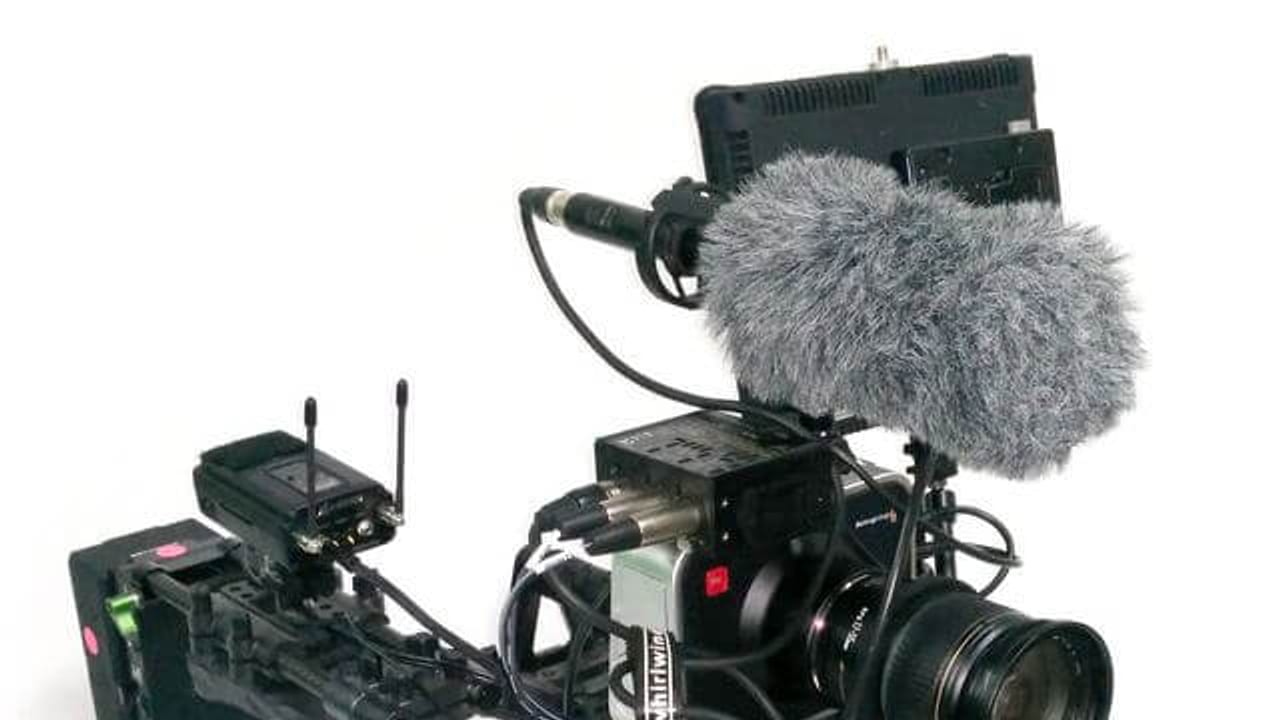
The BMPC 4K’s design caters to video production with a solid aluminum body and multiple 1/4-20" mounting points, making it easier to build rigs, attach audio gear like the JuicedLink BMC388, and integrate with professional monitors via 6G SDI output. Its global shutter eliminates rolling shutter artifacts, improving image stability during motion. The 5D Mark III, designed primarily as a stills camera, lacks these video-centric features and recording time limits can interrupt longer takes. For productions needing robust rigging and professional accessories, the BMPC 4K offers a more streamlined experience.
Post-Production and Color Grading Flexibility
Shooting with the BMPC 4K means working with footage that holds up well under heavy color grading thanks to its ProRes 422 (HQ) codec and 4K resolution. This allows colorists to push the image further without degrading quality, critical for dramatic looks or high-end productions. The 5D Mark III’s compressed h.264 footage is less forgiving, often requiring careful exposure on set to avoid noise and artifacts. RAW shooting on the 5D Mark III improves grading latitude but at the cost of added workflow complexity and storage demands. Choosing the BMPC 4K simplifies post-production while delivering premium image quality.
FAQ
Can I use the Canon 5D Mark III for professional video work?
Yes, the Canon 5D Mark III is widely used for professional video, especially in low-light situations and for its full-frame sensor. However, its built-in codecs limit image quality unless you shoot RAW, which adds workflow complexity.
What are the main advantages of shooting with the BMPC 4K?
The BMPC 4K offers superior codec quality with ProRes 422 (HQ), 4K resolution, professional video features like 6G SDI output, global shutter, and direct SSD recording, making it ideal for productions that require high image fidelity and efficient post workflows.
How does media choice affect production workflow between these cameras?
The BMPC 4K’s SSD recording allows for longer takes and faster data transfer but requires off-camera formatting and management. The Canon 5D Mark III uses SD cards, which are easier to swap but slower and less capacious, impacting shoot duration and data handling.
What should a team understand about DRAMATIC COMPARISON - BMPC 4K vs CANON 5D Mark III?
The useful takeaway is how audience, creative direction, production choices, post-production, approvals, and delivery needs shape the final video plan.
Where should this kind of project start?
Start with the goal, audience, deadline, where the finished piece needs to live, and the practical constraints that will affect creative and production decisions.
How can ECG help with the next step?
ECG can help connect the creative idea to production planning, filming, post-production, versioning, and delivery so the finished work fits the channel and the audience.