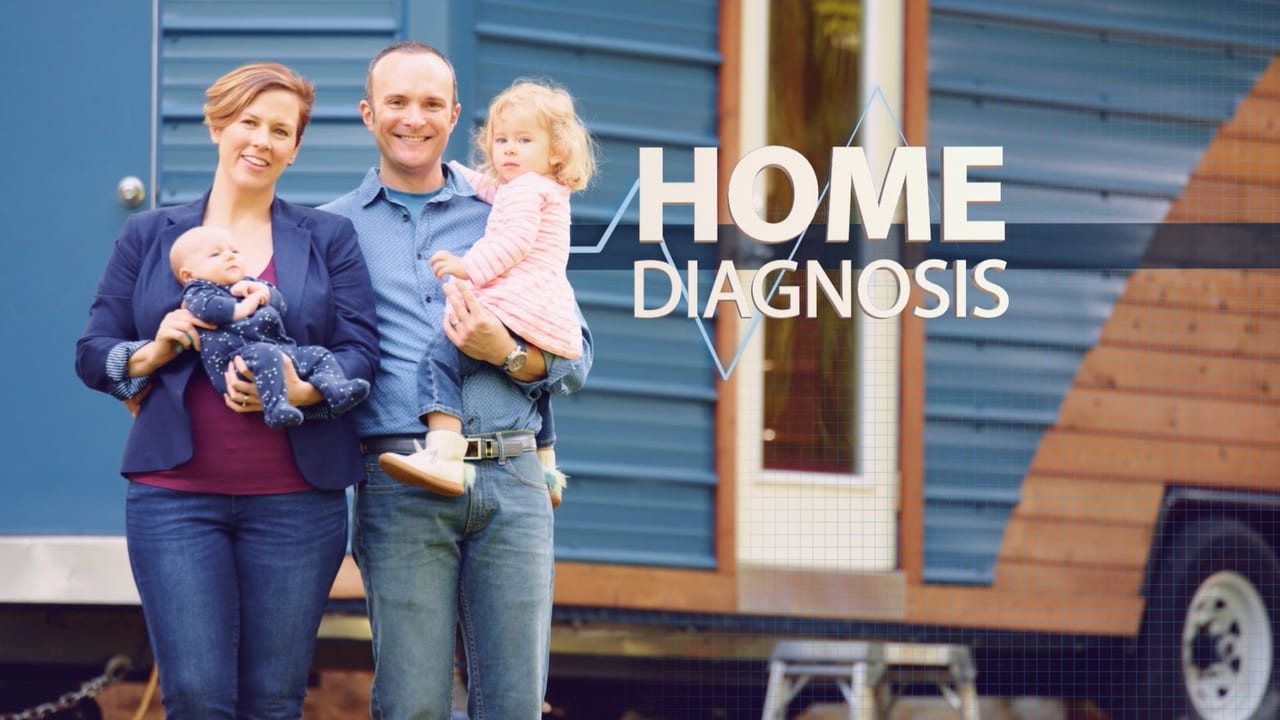
Explore how ECG Productions shaped Home Diagnosis Ep. 6 with strategic editing, animation, color, and audio to turn raw footage into compelling science storytelling.
Help readers decide how to plan and execute post-production for complex documentary-style video projects like Home Diagnosis Ep. 6.
Turning Raw Footage into a Compelling Story
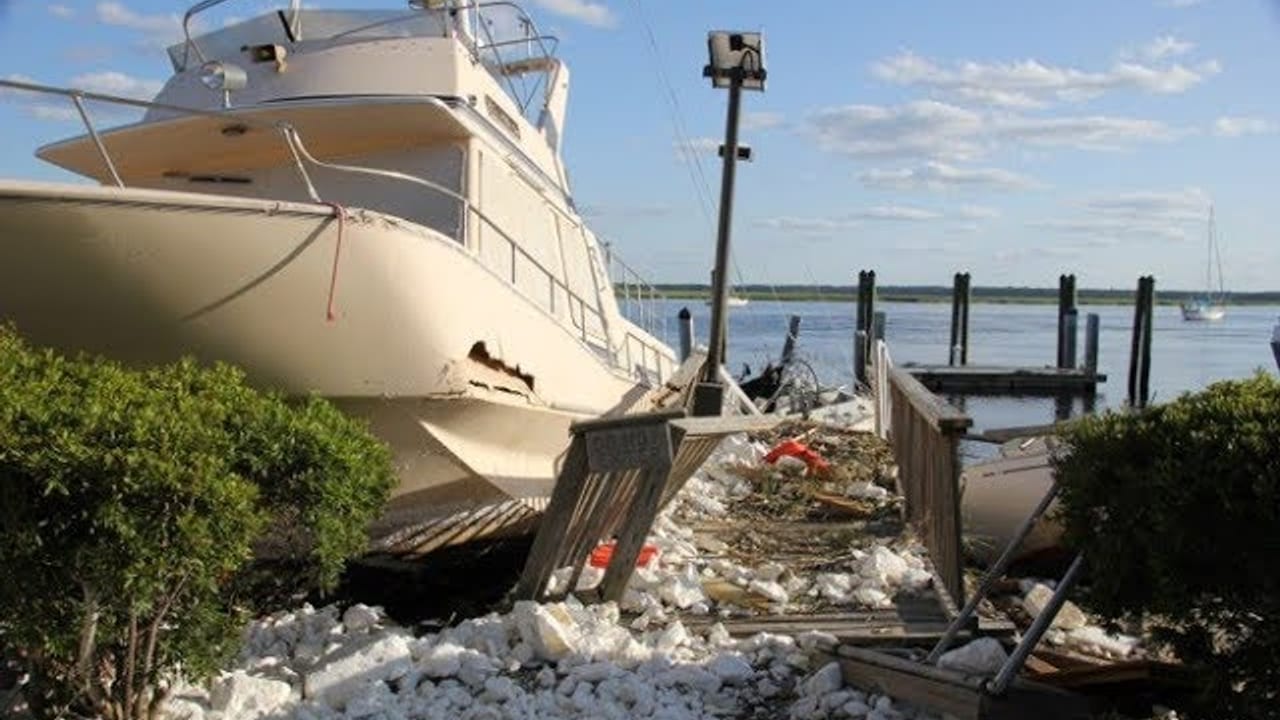
Home Diagnosis Ep. 6 in Atlantic City shows the power of thoughtful post-production in transforming raw, challenging footage into an engaging narrative. The original shoot captured unique home performance tests, but it was the edit, animation, sound design, and color grading that made the science accessible and entertaining. Understanding this process helps producers and brands see why post is not just finishing—it’s storytelling.
Prepping for Post: What Needs to Be Locked Down Early
Before the edit begins, clarity on the project’s goals, audience, platform specs, and brand guidelines is critical. For Home Diagnosis, knowing who would watch, what they needed to learn, and what moments were essential saved time and guesswork in the edit bay. Defining approval workflows and deadlines upfront also ensured smooth collaboration between producers, editors, and clients.
Editing Challenges and Solutions in Home Diagnosis Ep. 6
The original footage had limitations typical of location shoots: variable lighting, imperfect audio, and unpredictable pacing. Assistant Editor and Story Producer Cameron Shaw’s role was to sift through hours of material to create a clear roadmap for the episode. Lead Editor Emily Payton then balanced maintaining scientific accuracy with an engaging pace, often working around missing shots or audio gaps. This highlights the importance of experienced editors who can problem-solve creatively.
Enhancing Storytelling with Graphics, Color, and Audio
Custom 3D animations by Lead Animator Trey Gregory brought complex concepts to life, while colorist Jenn Lee applied a cinematic grade to unify the look despite varied lighting conditions. Audio engineer Joe DiCosola’s mix overcame on-location sound challenges to deliver clear, immersive sound. These layers of polish are essential in elevating educational content from raw footage to premium broadcast quality.
How ECG Supports Your Production Journey
ECG Productions offers integrated post-production services that start with understanding your story and end with delivery-ready files optimized for your platforms. Whether you bring rough cuts, scripts, or just a concept, our team shapes pacing, graphics, sound, and color to meet your goals. Explore our video post-production and editing support services, view our portfolio for similar projects, or contact us to discuss your next production.
FAQ
What should I provide before post-production begins?
Provide your project goals, target audience, platform specifications, brand guidelines, approval contacts, and any must-keep footage or moments. This information helps editors and producers plan efficiently and avoid costly revisions.
How does ECG handle footage with production challenges?
Our experienced editors and post team creatively solve issues like inconsistent lighting, audio gaps, or missing shots by using pacing adjustments, custom graphics, color grading, and sound mixing to maintain narrative clarity and polish.
Can ECG help with versioning and delivery for multiple platforms?
Yes. We prepare multiple versions optimized for different platforms and formats, ensuring your content meets technical specs and brand standards for broadcast, web, social, or internal use.
What should a team understand about Home Diagnosis | Ep. 6 - Atlantic City, NJ?
The useful takeaway is how audience, creative direction, production choices, post-production, approvals, and delivery needs shape the final video plan.
Where should this kind of project start?
Start with the goal, audience, deadline, where the finished piece needs to live, and the practical constraints that will affect creative and production decisions.
How can ECG help with the next step?
ECG can help connect the creative idea to production planning, filming, post-production, versioning, and delivery so the finished work fits the channel and the audience.