Music decides the emotional contract.
A brand video can look expensive and still feel wrong if the music fights the message. The track sets pace, tension, taste, confidence, and whether the viewer trusts the feeling the piece is asking them to have.
Production
Discover how strategic planning, choreography, and post-production choices create music videos that flow seamlessly like one continuous shot, enhancing audience engagement.
 Written byECG ProductionsECG Productions Editorial Team
Production
Sound strategy for brand videos that need to feel right before they explain themselves.
Sound Strategy
The music under a brand video changes pace, memory, credibility, and emotional permission. The right choice depends on audience, edit rhythm, licensing, dialogue, campaign life, and how the piece needs to feel in the first few seconds.
A brand video can look expensive and still feel wrong if the music fights the message. The track sets pace, tension, taste, confidence, and whether the viewer trusts the feeling the piece is asking them to have.
Music choices should match the audience, usage rights, campaign life, edit rhythm, voiceover, and where the video will run. A temp track can help the edit move, but the final track has to be cleared, mixed, and shaped around the brand.
A stronger music conversation starts early: tone references, licensing limits, dialogue or VO needs, captions, platform behavior, cutdowns, and the intended feeling when someone watches with sound on or off.
Article
Discover how strategic planning, choreography, and post-production choices create music videos that flow seamlessly like one continuous shot, enhancing audience engagement.
Helps readers decide how to plan and produce a music video that appears as one continuous take without compromising quality or storytelling.
Music videos that feel like one continuous shot create an immersive experience, drawing viewers deeply into the story and rhythm of the song. This style demands tight coordination between camera movement, choreography, and lighting, making the final product feel dynamic and authentic. But achieving this effect isn’t just about filming in one take; it’s about planning every step to maintain flow and energy while managing practical production constraints.
The foundation of a seamless one-shot music video lies in meticulous pre-production. Directors and producers collaborate with choreographers, cinematographers, and the artist to storyboard the path the camera will take, the timing of performers’ movements, and lighting changes. Location scouting is critical to ensure the space supports continuous movement without awkward cuts or lighting inconsistencies. Rehearsals become essential to synchronize the camera operator’s moves with the performers, ensuring timing and pacing align perfectly with the song’s beat.
On set, the crew must be nimble and ready to adapt. Using stabilizers like gimbals or Steadicams helps maintain smooth camera motion during long takes. Sound design is often recorded separately or enhanced in post to avoid on-set noise interference. Directors typically shoot multiple takes, each lasting the full length of the song or scene, to capture different nuances and cover any mistakes. Strategic use of hidden cuts—such as passing through dark areas or quick camera pans—can stitch together multiple takes, preserving the illusion of one continuous shot without sacrificing quality.
Post-production is where the one-shot illusion is perfected. Editors carefully blend takes using hidden cuts and match color grading across scenes to maintain visual consistency. Audio mixing and mastering ensure the music and any ambient sounds feel natural and immersive. Sound design can also enhance transitions between cuts, masking any subtle visual edits. This phase demands close collaboration between editors, colorists, and sound engineers to maintain the video’s pacing and emotional tone.
While the one-shot style is visually captivating, it requires balancing creative ambition with production realities like budget, time, and technical limitations. Directors and producers must decide when to embrace hidden cuts or simplify choreography to keep the shoot manageable. Clear communication across departments—from camera to lighting to post—ensures the final video achieves its artistic goals without unnecessary delays or costs. This balance is key to delivering a polished, engaging music video that resonates with audiences.
Stabilized camera rigs like gimbals or Steadicams are essential to achieve smooth, continuous camera movement. Additionally, wireless monitors and communication tools help the crew coordinate complex choreography during the shoot.
Hidden cuts are cleverly disguised edits placed during moments like quick camera pans, passing through dark areas, or behind objects. These cuts allow multiple takes to be stitched together seamlessly, maintaining the illusion of one continuous shot while managing practical filming constraints.
While the one-shot style can enhance many genres by increasing immersion and energy, it suits songs with a clear rhythm and narrative flow. Highly complex or fast-paced tracks may require adaptations or additional cuts to maintain clarity and production feasibility.
The useful takeaway is how audience, creative direction, production choices, post-production, approvals, and delivery needs shape the final video plan.
Start with the goal, audience, deadline, where the finished piece needs to live, and the practical constraints that will affect creative and production decisions.
ECG can help connect the creative idea to production planning, filming, post-production, versioning, and delivery so the finished work fits the channel and the audience.
Related ECG Portfolio Video
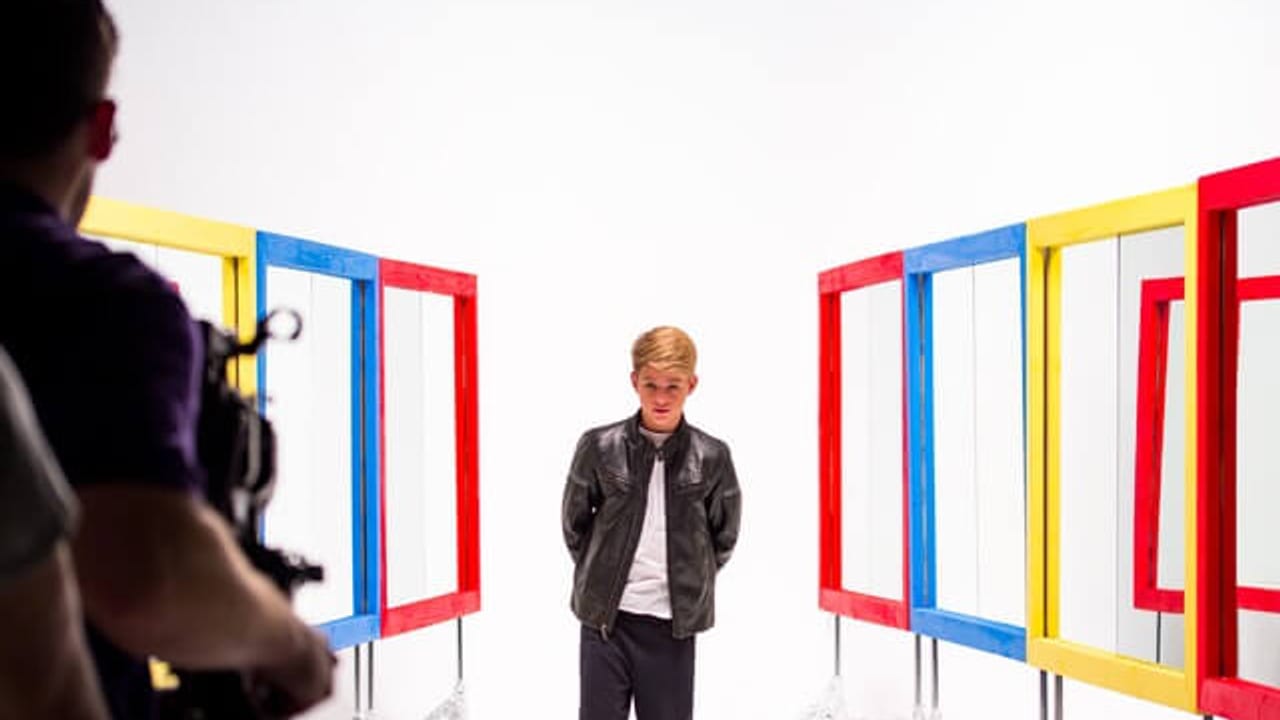
Use Slim | One Destiny as an ECG-produced reference for How to Shoot a Music Video That Feels Like One Continuous Shot. Compare the audience, tone, distribution plan, and production choices before turning the article into a creative brief.
YouTube
Slim | One Destiny gives artists and labels a music video reference for concept, performance energy, visual tone, pacing, and the production support needed to make a release feel intentional. It helps teams think through locations, art direction, edit rhythm, color, release timing, and the way a video should support the song after launch.
Visual Context
Articles perform better when readers can see what the thinking points toward. This visual break connects the topic to ECG production, post-production, real examples, and the next practical decision instead of leaving the page as a long read with no visual rhythm.
See related workArticle FAQ
These answers add practical context for the decisions that usually sit behind production work: scope, timing, creative direction, production approach, and what the finished piece needs to accomplish.
Stabilized camera rigs like gimbals or Steadicams are essential to achieve smooth, continuous camera movement. Additionally, wireless monitors and communication tools help the crew coordinate complex choreography during the shoot.
Hidden cuts are cleverly disguised edits placed during moments like quick camera pans, passing through dark areas, or behind objects. These cuts allow multiple takes to be stitched together seamlessly, maintaining the illusion of one continuous shot while managing practical filming constraints.
While the one-shot style can enhance many genres by increasing immersion and energy, it suits songs with a clear rhythm and narrative flow. Highly complex or fast-paced tracks may require adaptations or additional cuts to maintain clarity and production feasibility.
The useful takeaway is how audience, creative direction, production choices, post-production, approvals, and delivery needs shape the final video plan.
Start with the goal, audience, deadline, where the finished piece needs to live, and the practical constraints that will affect creative and production decisions.
ECG can help connect the creative idea to production planning, filming, post-production, versioning, and delivery so the finished work fits the channel and the audience.
Next Step
When an article sounds like your project, compare the relevant service path and nearby work before you make a production decision.
Read Next
Production
Production
A practical look at how sound, pacing, tone, and post-production choices shape what the audience feels after the picture starts moving.
Read article
Strategy
Strategy
Vertical Video Production: Unlock the Potential for Social Media is a strategy read for teams deciding who the video needs to reach, what it needs to say, where it will live, and what has to be clear before production dollars move.
Read article
Sound Strategy
Music And Brand Feel
Music is not background decoration. It controls pace, tension, memory, and whether a brand video feels believable before the viewer can explain why.
Read article
Animation
Animation
How Motion Tracking in More Ways Than One can make complex ideas clearer, more memorable, and easier for the audience to follow.
Read article
Strategy
Strategy
How sound design, mix choices, and music cues make commercials feel more finished, memorable, and emotionally specific.
Read article
Production
Production
Making the 1 Corporate Video Employees find Unforgettable is a production read about what needs to be planned, captured, protected, and handed to post so the finished piece has a real chance to work.
Read articleKeep Exploring
Related services, examples, and deeper reads add context around the creative choices, production decisions, and tradeoffs behind this topic.
Services
These service paths show where the production, post, animation, or package conversation usually goes next.
Service
Corporate video production for companies that need people to understand the business, trust the message, and use the finished video across sales, recruiting, interna...
Open pageService
Color Correction & Color Grading from ECG Productions helps the finished piece feel more polished, consistent, intentional, and ready for its audience.
Open pageService
Color Grading from ECG Productions helps the finished piece feel more polished, consistent, intentional, and ready for its audience.
Open pageService
Event video production for teams that need the story, energy, speakers, audience, and proof of a live moment captured for people who were not in the room.
Open pageWork
These examples show what the service, article, or category can look like in finished work.
Branded Content
Hello My Name Is… | A Musical Exploration is story-led brand work, which means the finished piece has to show more than polish. The important read is how the brand,...
Open pageBranded Content
Baby Tate, Symba, and more | Hello My Name Is... Episode 4 is story-led brand work, which means the finished piece has to show more than polish. The important read i...
Open pageBranded Content
Eric Bellinger, Jane Handcock, and more: Hello My Name Is | Episode 3 is story-led brand work, which means the finished piece has to show more than polish. The impor...
Open pageRelated articles
These pieces add context around process, budget, creative choices, common mistakes, and what to ask next.
Business
A practical look at how sound, pacing, tone, and post-production choices shape what the audience feels after the picture starts moving.
Open pageBusiness
A practical look at how sound, pacing, tone, and post-production choices shape what the audience feels after the picture starts moving.
Open pagePost
A post-production read on How To Sound Like Kylo Ren, covering the edit, sound, color, graphics, delivery, and review choices that shape the final piece.
Open pageStrategy
Social Media Live Streaming Strategy: How to Plan, Promote & Produce Like a Pro is a strategy read for teams deciding who the video needs to reach, what it needs to...
Open pageNext step
When this starts to sound like your situation, bring ECG the goal and the constraints.
Share This Article
Share the article, project, or service page with a teammate, client, producer, or stakeholder who needs the context before the next decision.