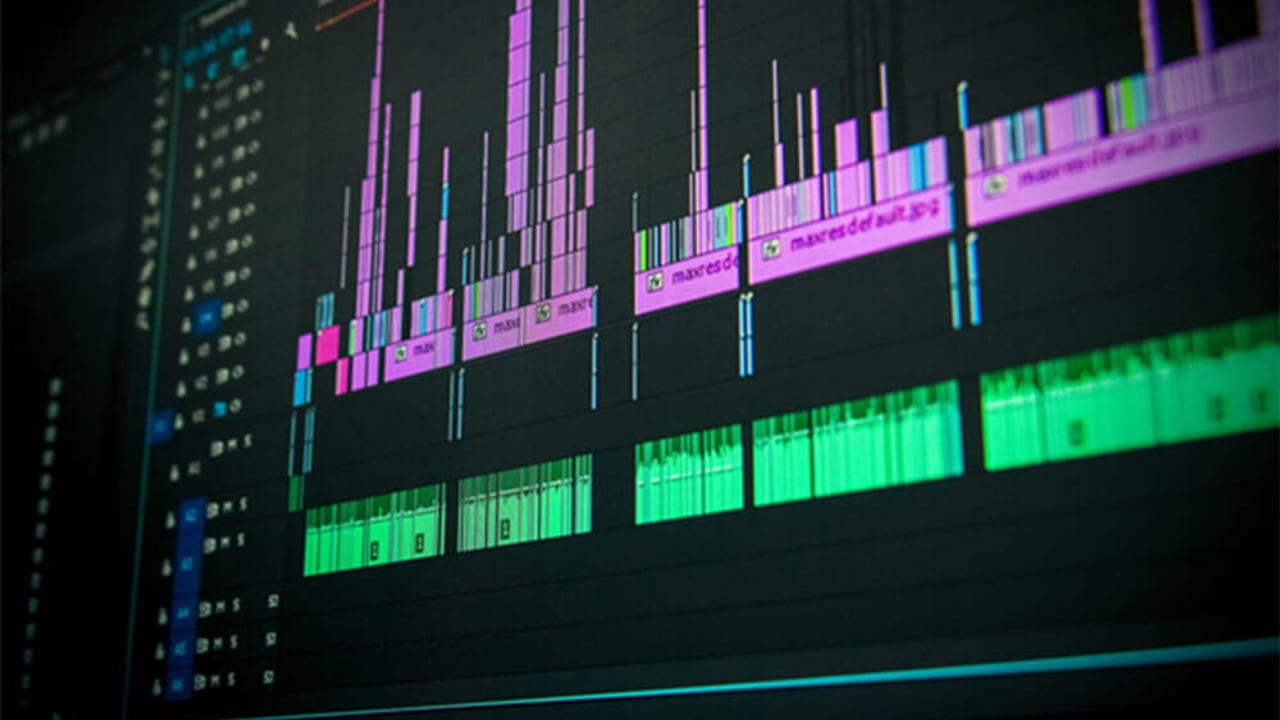
Learn why relying on post-production to fix on-set issues wastes time and budget—and how smart production choices save your video project from costly headaches.
Help video producers and marketers understand how on-set decisions impact post-production efficiency and final video quality.
The Real Cost of ‘Fix It In Post’
Saying “we’ll fix it in post” might sound like a harmless shortcut, but it’s often the biggest red flag for post-production teams. Fixing problems after the shoot—whether it’s inconsistent makeup, poor lighting, or missing shots—means extra hours in editing, color correction, and audio fixes. Those hours add up to higher costs and longer timelines. The truth is, many issues that seem minor on set can become major headaches later. Being deliberate and precise during production saves time, money, and stress in post.
Hire and Prepare the Right People Before You Roll
One of the simplest ways to avoid post headaches is to ensure everyone on camera meets brand standards and legal requirements upfront. That means confirmed releases, appropriate wardrobe, and consistent styling. If talent has distracting tattoos, mismatched makeup, or wardrobe issues, fix it on set or swap them out. These quick fixes—often under five minutes—prevent unusable footage that editors have to wrestle with later. The fewer surprises in the footage, the smoother the edit.
Plan Shots With Purpose, Not Excess
It’s tempting to shoot extra takes or cover every angle “just in case,” but too much footage can overwhelm editors and inflate post hours. Instead, be intentional: if you need a two-second close-up of a product, capture it cleanly and move on. Avoid shooting dozens of takes without a clear plan. A focused shot list aligned with the script and storyboard keeps production lean and post-production efficient. This approach also helps your editor tell a tighter, more compelling story.
Consistency Is Key: Makeup, Wardrobe, and Lighting
Maintaining continuity on set saves countless hours in post. Make sure talent’s makeup, hair, and wardrobe are reset between takes and scenes. Inconsistent lipstick shades, lighting shifts, or wardrobe changes force editors and colorists into time-consuming fixes to match shots. Proper on-set continuity checks—like quick mirror reviews or lighting tests—pay off in a polished final video that feels seamless and professional.
Get the Coverage You Need—Don’t Rely on Luck
Missing critical shots is a nightmare for editors and can derail your entire video. For example, a single-camera shoot of a presentation that constantly moves between the speaker and audience makes it nearly impossible to cut a complete, smooth story. Always plan for sufficient coverage—multiple cameras, static and moving shots—to give your editor options. This foresight prevents costly reshoots and ensures your final product meets expectations.
Set White Balance and Exposure Right the First Time
Proper white balance and exposure on set are non-negotiable for smooth post-production. Even if you have an experienced colorist, poorly balanced footage requires extra correction that wastes time and risks quality loss. Take the time to calibrate your cameras and check settings regularly during the shoot. This simple step ensures LUTs (lookup tables) and grading workflows work as intended, delivering consistent, vibrant images with less hassle.
How ECG Productions Supports Smooth Post-Production
At ECG Productions, our teams collaborate closely from pre-production through delivery to minimize post surprises. We emphasize clear communication, thorough planning, and on-set discipline to protect your budget and timeline. Our portfolio shows how strategic production decisions lead to polished, on-brand videos that perform. If you want to avoid the “fix it in post” trap, explore our Video Post-Production services and Video Editing solutions. Ready to talk? Contact us at ECG Productions to start your next project right.
FAQ
Why is ‘fix it in post’ a bad production mindset?
Relying on post-production to fix on-set issues often leads to increased costs, longer timelines, and compromised video quality. Many problems are easier and cheaper to address during shooting than in editing or color grading.
How can I ensure consistent footage for easier editing?
Maintain continuity in makeup, wardrobe, and lighting by resetting talent and equipment between takes. Use checklists and on-set reviews to catch inconsistencies before they become post-production headaches.
What coverage do I need to avoid missing critical shots?
Plan for multiple camera angles, including static and moving shots, to capture all necessary elements of your scene. This gives editors flexibility and prevents costly reshoots.
What should a team understand about The 1 Thing Your Post-Production Team Never Wants To Hear?
The useful takeaway is how audience, creative direction, production choices, post-production, approvals, and delivery needs shape the final video plan.
Where should this kind of project start?
Start with the goal, audience, deadline, where the finished piece needs to live, and the practical constraints that will affect creative and production decisions.
How can ECG help with the next step?
ECG can help connect the creative idea to production planning, filming, post-production, versioning, and delivery so the finished work fits the channel and the audience.