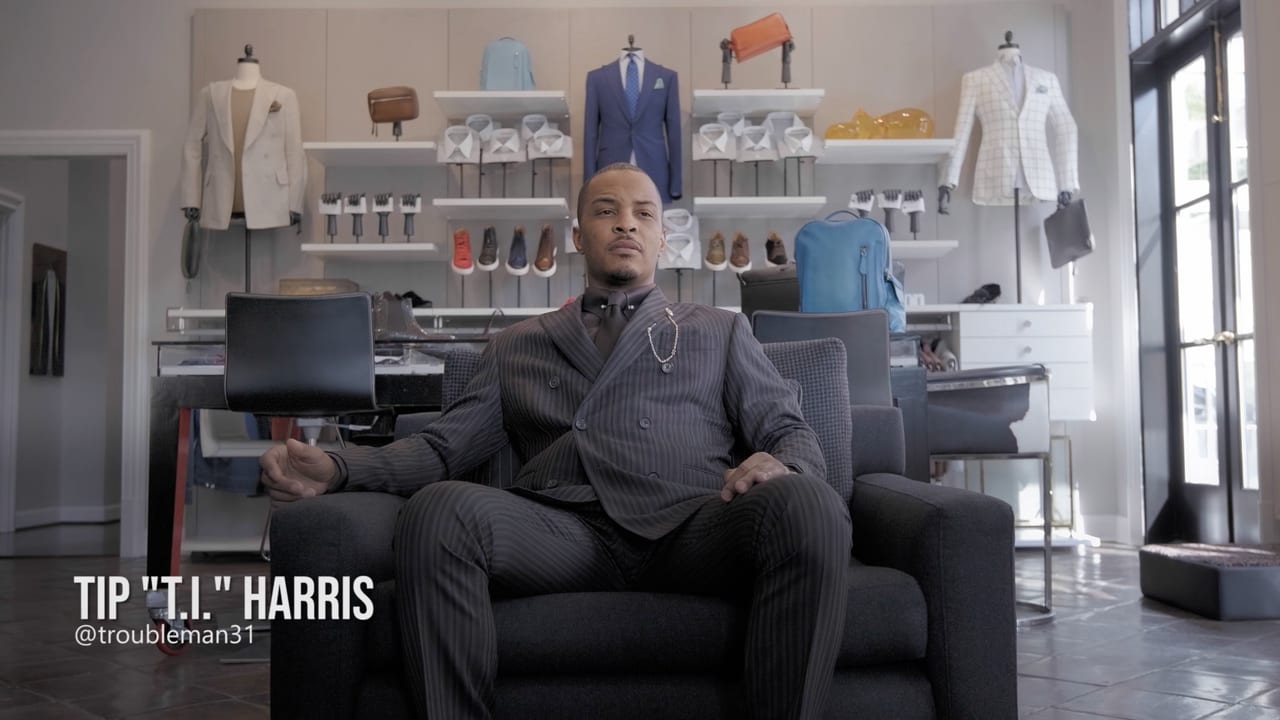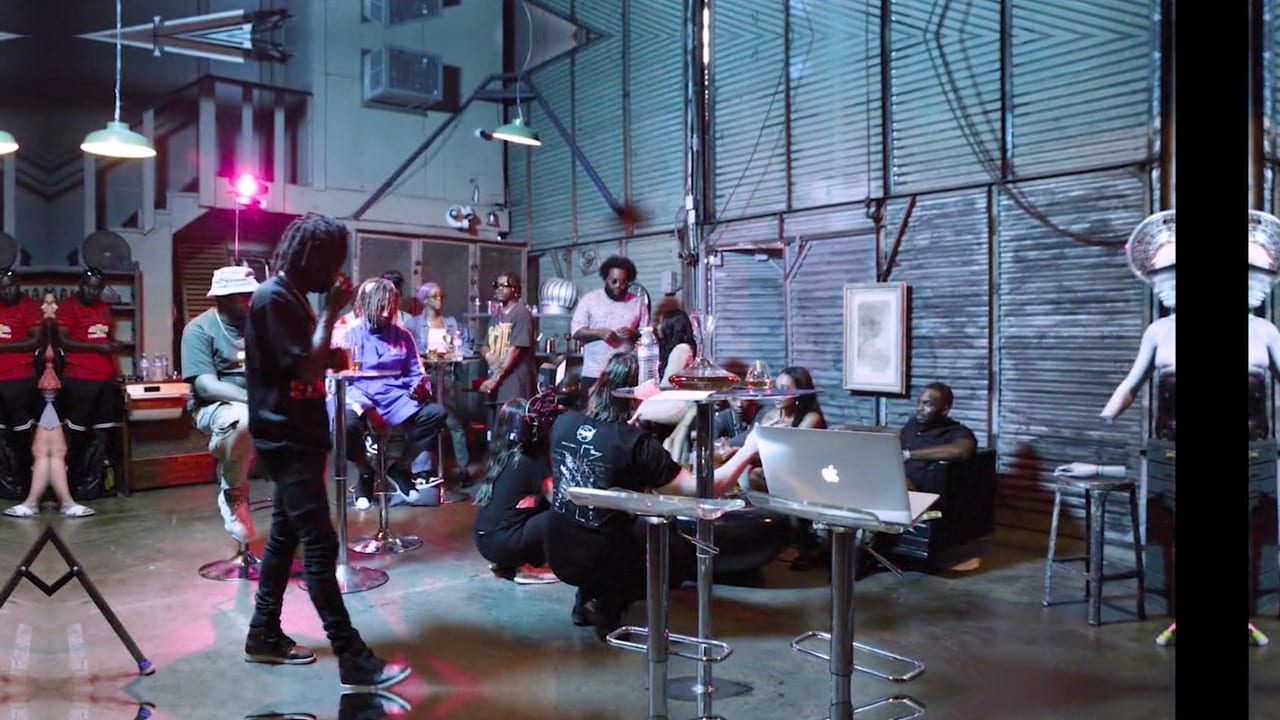
Music decides the emotional contract.
A brand video can look expensive and still feel wrong if the music fights the message. The track sets pace, tension, taste, confidence, and whether the viewer trusts the feeling the piece is asking them to have.
Production
Explore how production choices shaped the George Stinney music video with rapper P-Dash. Learn about sound, pacing, tone, and post-production insights to inform your next music
 Written byJason SirotinPartner, Producer & Director
Production
Sound strategy for brand videos that need to feel right before they explain themselves.
Sound Strategy
The music under a brand video changes pace, memory, credibility, and emotional permission. The right choice depends on audience, edit rhythm, licensing, dialogue, campaign life, and how the piece needs to feel in the first few seconds.
A brand video can look expensive and still feel wrong if the music fights the message. The track sets pace, tension, taste, confidence, and whether the viewer trusts the feeling the piece is asking them to have.
Music choices should match the audience, usage rights, campaign life, edit rhythm, voiceover, and where the video will run. A temp track can help the edit move, but the final track has to be cleared, mixed, and shaped around the brand.
A stronger music conversation starts early: tone references, licensing limits, dialogue or VO needs, captions, platform behavior, cutdowns, and the intended feeling when someone watches with sound on or off.
Article
Explore how production choices shaped the George Stinney music video with rapper P-Dash. Learn about sound, pacing, tone, and post-production insights to inform your next music
Help readers understand key production decisions behind the George Stinney music video to guide smarter music video planning and execution.
Every music video is a complex blend of storytelling, performance, and technical craft. For the George Stinney video, the production team focused on aligning sound, pacing, and tone to reflect the song’s powerful message. Understanding these elements helps producers and agencies plan shoots that not only look great but emotionally connect with audiences. This video’s production offers a practical example of how intentional decisions during pre-production and on set influence the final impact.
Shooting a music video demands stamina and precision from the artist and crew alike. P-Dash performed the song multiple times across two intense days, maintaining full energy and focus. This required careful scheduling and clear communication to keep performances fresh and authentic. For producers, managing artist endurance while capturing the best takes is a balancing act—planning for breaks, multiple angles, and sound sync is essential.
The George Stinney video’s tone is somber yet urgent, reflecting the song’s narrative about injustice. Cinematography choices such as lighting, camera movement, and framing were tailored to support this mood. Meanwhile, sound design and mixing emphasized clarity and emotional weight without overpowering the vocals. This synergy between visual and audio elements is a cornerstone of effective music video production.
Post-production is where the story truly comes together. Editing choices determined pacing, ensuring the video’s rhythm matched the song’s flow. Color grading enhanced the emotional palette, using muted tones to underscore the serious subject matter. Audio post-production balanced the track with ambient sounds and effects to deepen immersion. These finishing touches require close collaboration between editors, colorists, and sound engineers to preserve the artist’s vision.
The George Stinney video demonstrates how thoughtful production—from pre-production planning through post—can elevate a music video beyond visuals to a compelling narrative experience. Key takeaways include prioritizing artist readiness, aligning cinematography with tone, and investing in detailed post-production. When you partner with experienced teams who understand these nuances, your project is more likely to resonate and stand out.
Planning for multiple takes and breaks is crucial. Clear communication about the schedule and expectations helps artists maintain energy. On-set producers often coordinate rest periods and monitor performance quality to balance stamina with capturing authentic moments.
Post-production shapes pacing, color, and sound design, all of which influence the viewer’s emotional response. Editors cut footage to match the song’s rhythm, colorists adjust mood through grading, and sound engineers balance audio elements to enhance storytelling.
Visual choices like lighting, framing, and camera movement reinforce the song’s narrative and emotional tone. When cinematography complements the music’s message, it creates a cohesive and impactful viewing experience that resonates with audiences.
The useful takeaway is how audience, creative direction, production choices, post-production, approvals, and delivery needs shape the final video plan.
Start with the goal, audience, deadline, where the finished piece needs to live, and the practical constraints that will affect creative and production decisions.
ECG can help connect the creative idea to production planning, filming, post-production, versioning, and delivery so the finished work fits the channel and the audience.
Related ECG Portfolio Video
Use Backwoods | Always True - Bas, Ep. 1 as an ECG-produced reference for Inside the George Stinney Music Video: A Producer’s Perspective with P-Dash. Compare the audience, tone, distribution plan, and production choices before turning the article into a creative brief.
Branded content episode
The first Bas episode in Backwoods' Always True branded content campaign, built around Dreamville, Fiends, and an artist-led side-hustle story shot between Los Angeles and New York.
Visual Context
Articles perform better when readers can see what the thinking points toward. This visual break connects the topic to ECG production, post-production, real examples, and the next practical decision instead of leaving the page as a long read with no visual rhythm.
See related workArticle FAQ
These answers add practical context for the decisions that usually sit behind production work: scope, timing, creative direction, production approach, and what the finished piece needs to accomplish.
Planning for multiple takes and breaks is crucial. Clear communication about the schedule and expectations helps artists maintain energy. On-set producers often coordinate rest periods and monitor performance quality to balance stamina with capturing authentic moments.
Post-production shapes pacing, color, and sound design, all of which influence the viewer’s emotional response. Editors cut footage to match the song’s rhythm, colorists adjust mood through grading, and sound engineers balance audio elements to enhance storytelling.
Visual choices like lighting, framing, and camera movement reinforce the song’s narrative and emotional tone. When cinematography complements the music’s message, it creates a cohesive and impactful viewing experience that resonates with audiences.
The useful takeaway is how audience, creative direction, production choices, post-production, approvals, and delivery needs shape the final video plan.
Start with the goal, audience, deadline, where the finished piece needs to live, and the practical constraints that will affect creative and production decisions.
ECG can help connect the creative idea to production planning, filming, post-production, versioning, and delivery so the finished work fits the channel and the audience.
Next Step
When an article sounds like your project, compare the relevant service path and nearby work before you make a production decision.
Keep Exploring
Related services, examples, and deeper reads add context around the creative choices, production decisions, and tradeoffs behind this topic.
Services
These service paths show where the production, post, animation, or package conversation usually goes next.
Service
Event video production for teams that need the story, energy, speakers, audience, and proof of a live moment captured for people who were not in the room.
Open pageService
The Brand Starter Kit helps a growing company create the core video assets people look for before they trust you: a clear brand story, credible human proof, and prac...
Open pageService
AI video creation support for teams that want to use generative tools responsibly without sacrificing strategy, production judgment, brand trust, or visual quality.
Open pageService
Corporate video production for companies that need people to understand the business, trust the message, and use the finished video across sales, recruiting, interna...
Open pageWork
These examples show what the service, article, or category can look like in finished work.
Branded Content
Hello My Name Is… | A Musical Exploration is story-led brand work, which means the finished piece has to show more than polish. The important read is how the brand,...
Open pageBranded Content
Eric Bellinger, Jane Handcock, and more: Hello My Name Is | Episode 3 is story-led brand work, which means the finished piece has to show more than polish. The impor...
Open pageBranded Content
Wyclef Jean and more Talent | Hello My Name Is… Episode 6 is story-led brand work, which means the finished piece has to show more than polish. The important read is...
Open pageRelated articles
These pieces add context around process, budget, creative choices, common mistakes, and what to ask next.
Production
A practical look at how sound, pacing, tone, and post-production choices shape what the audience feels after the picture starts moving.
Open pageBusiness
A practical look at how sound, pacing, tone, and post-production choices shape what the audience feels after the picture starts moving.
Open pageBusiness
A practical look at how sound, pacing, tone, and post-production choices shape what the audience feels after the picture starts moving.
Open pageProduction
A practical look at how sound, pacing, tone, and post-production choices shape what the audience feels after the picture starts moving.
Open pageNext step
When this starts to sound like your situation, bring ECG the goal and the constraints.
Share This Article
Share the article, project, or service page with a teammate, client, producer, or stakeholder who needs the context before the next decision.