Discover how to plan and produce a compelling virtual tour video like Core Scientific’s, with expert tips on strategy, shooting, pacing, and post-production to engage tech-savvy
Helps marketing and production professionals decide how to plan and execute a high-impact virtual tour video that showcases complex technology with clarity and energy.
Why a Virtual Tour Video Needs a Clear Production Strategy
Virtual tours are more than just walkthroughs—they’re immersive experiences that bring complex environments and technologies to life. For Core Scientific’s virtual tour, the production team started by defining the audience: tech enthusiasts, investors, and industry partners who needed to understand the scale and sophistication of the facility. This clarity shaped every production decision, from camera gear to pacing. Before picking up a camera, align your strategy with who will watch, what they already know, and what the video must prove. This focus prevents wasted effort and ensures the final video feels purposeful rather than generic.
Pre-Production: Turning Ideas into a Practical Plan
Pre-production is where the virtual tour concept becomes a detailed blueprint. For Core Scientific, this meant mapping the facility’s key areas, planning drone and steady-cam shots, and scheduling around operational constraints. Consider your deliverables, deadlines, and review process here. What approvals will the video need? Where will it live—on a website, social media, or investor presentations? A thorough pre-production plan sets expectations, secures necessary permissions, and outlines the creative approach, so the shoot day runs smoothly and the edit has all the footage it needs.
Production: Capturing Technology with Cinematic Precision
Shooting a virtual tour of a high-tech facility demands both technical skill and creative vision. At Core Scientific, the team used the Movi Pro stabilized rig paired with a Canon C200 to achieve smooth, dynamic shots that highlight the machinery’s complexity without overwhelming viewers. Drone footage added scale and context, while carefully composed interior shots revealed the facility’s cutting-edge environment. Lighting, sound, and movement must all work together to maintain visual interest and clarity. Plan for multiple takes and angles to give the editor options for pacing and emphasis.
Post-Production: Crafting a Story with Sound, Pace, and Color
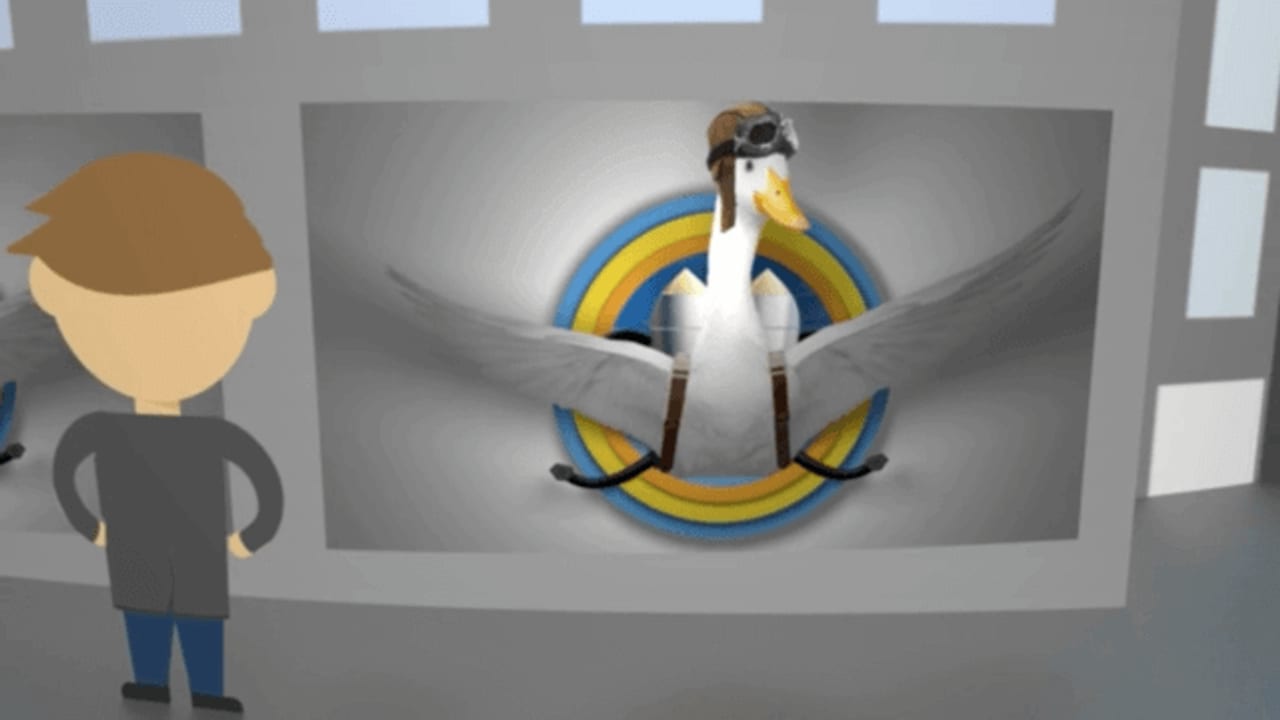
Editing a virtual tour is about more than assembling footage—it’s about storytelling. The Core Scientific video uses an electric score and fast-paced cuts to energize the viewer, reflecting the innovation inside the facility. Color grading enhances the sleek, high-tech atmosphere, while sound design balances ambient noise with music and voiceover to maintain engagement. Use pacing to guide the viewer’s attention and build excitement. A tight edit with clear transitions and purposeful graphics or animations can clarify complex information without slowing the flow.
Making Your Virtual Tour Video Successful: Key Questions to Answer
Before you start, ask: Who needs to care about this video? What do they already know, and what must the video prove? Where will it be watched, and on what devices? Who approves the final cut, and what defines success beyond just finishing? Having answers to these questions helps you create a production brief that guides the entire process—from strategy through delivery. Sharing references with notes on pacing, tone, and style can sharpen the creative conversation and ensure your video hits the mark.
FAQ
What equipment is best for shooting a high-tech facility virtual tour?
Using stabilized camera rigs like the Movi Pro paired with high-quality cameras such as the Canon C200 helps capture smooth, detailed footage. Drone shots add valuable context and scale, while careful lighting and sound capture ensure clarity and engagement.
How do I plan a virtual tour video to engage a technical audience?
Start by defining your audience’s knowledge level and what they need to learn. Plan your shots to highlight key technology and processes, use pacing and music that reflect the industry’s energy, and include clear visual storytelling elements like graphics or animations to explain complex concepts.
What should I consider during post-production for a virtual tour video?
Focus on editing that balances visual clarity with dynamic pacing. Color grading can enhance the mood, sound design should support the narrative without distraction, and the final cut must align with your brand’s tone and the video’s goals. Incorporate client feedback early to avoid costly revisions.
What should a team understand about Core Scientific | Virtual Tour?
The useful takeaway is how audience, creative direction, production choices, post-production, approvals, and delivery needs shape the final video plan.
Where should this kind of project start?
Start with the goal, audience, deadline, where the finished piece needs to live, and the practical constraints that will affect creative and production decisions.
How can ECG help with the next step?
ECG can help connect the creative idea to production planning, filming, post-production, versioning, and delivery so the finished work fits the channel and the audience.