
New tools are useful only when the idea is clear.
Animation, motion graphics, VFX, and AI-assisted production can help explain what live action cannot, but they work best when the message, style, accuracy needs, and approval path are clear.
Animation
Discover how understanding character motivation transforms animation from mechanical movement into compelling, believable performances that resonate with audiences.
 Written byJason SirotinPartner, Producer & Director
Animation
Motion, animation, and visual storytelling context for clearer communication.
Motion Context
Animation, VFX, and motion graphics are strongest when they make an idea easier to understand, remember, or approve. The style matters, but the communication problem comes first.
Animation, motion graphics, VFX, and AI-assisted production can help explain what live action cannot, but they work best when the message, style, accuracy needs, and approval path are clear.
Motion is useful when it makes the idea easier to understand, easier to remember, or easier to approve, instead of simply making the page feel busier.
A better motion conversation includes brand assets, visual references, technical accuracy requirements, runtime, platform specs, and examples that define what belongs outside the look.
Article
Discover how understanding character motivation transforms animation from mechanical movement into compelling, believable performances that resonate with audiences.
Help animation producers and creative leads decide how to integrate character motivation into their animation process for more engaging results.
Animation isn’t just about moving pixels or models—it’s about bringing characters to life with purpose. Without motivation, characters risk feeling hollow or robotic. Understanding why a character acts a certain way informs every animation choice, from subtle facial expressions to broad body language. This clarity helps audiences connect emotionally, making stories more memorable and impactful.
Character animators juggle both creative insight and technical skill. Motivation acts as the bridge between these worlds. Before animating, invest time in defining your character’s backstory, emotional state, and goals. This groundwork guides timing, poses, and transitions, ensuring technical moves serve the story rather than distract from it. For example, a character’s hesitation before a decision can be communicated through a slight pause or a shift in gaze—small details that require intentional motivation.
Start by collaborating closely with writers and directors to gather all available character information. If details are sparse, create your own motivation profile: ask who your character is, what they want, and what obstacles they face. Document these insights and revisit them throughout production. Use mood boards, reference videos, or even quick acting exercises to internalize the character’s mindset. This prep work pays off during animation by providing a clear compass for performance choices.
Motivation isn’t static. A character’s emotional state can shift between scenes or even within a single shot. During blocking, establish the character’s primary intent. In refinement, layer in nuanced reactions that reflect changing motivations. During review and approvals, use motivation as a discussion tool to justify animation decisions or to align with creative feedback. Keeping motivation front and center throughout production helps maintain consistency and depth.
At ECG, we’ve seen firsthand how motivation elevates animation quality. For example, in our pilot episode of "Tsunami Tuna," we explored how the characters’ backgrounds—a mutant tuna with a grudge and a mechanized dolphin with PTSD—inform their interactions and movements. This approach helped animators create performances that feel authentic and engaging, even in fantastical settings. If you’re considering animation or motion graphics, our team can help integrate motivation-driven storytelling into your project from concept through delivery.
Character motivation refers to the underlying reasons behind a character’s actions and emotions. It guides animators in creating believable and engaging performances that connect with audiences.
Collaborate with writers or directors to gather insights, or create your own motivation profile by asking questions about the character’s background, goals, and emotional state. Using reference materials and acting exercises can also help.
Motivation ensures consistency and depth in character performance. It informs decisions during blocking, refinement, and review, helping animators adapt to changes in emotional tone and creative feedback.
The useful takeaway is how audience, creative direction, production choices, post-production, approvals, and delivery needs shape the final video plan.
Start with the goal, audience, deadline, where the finished piece needs to live, and the practical constraints that will affect creative and production decisions.
ECG can help connect the creative idea to production planning, filming, post-production, versioning, and delivery so the finished work fits the channel and the audience.
Related ECG Portfolio Video
Use Zynga Poker | The Best Tips & Tricks Video Series as an ECG-produced reference for Why Character Motivation is Essential for Strong Animation. Compare the audience, tone, distribution plan, and production choices before turning the article into a creative brief.
Animated tutorial
A five-video Zynga Poker tips and tricks tutorial series, using character-led animation, game art, sound, and editorial pacing to make poker mechanics easier to follow.
Visual Context
Articles perform better when readers can see what the thinking points toward. This visual break connects the topic to ECG production, post-production, real examples, and the next practical decision instead of leaving the page as a long read with no visual rhythm.
See related workArticle FAQ
These answers add practical context for the decisions that usually sit behind animation work: scope, timing, creative direction, production approach, and what the finished piece needs to accomplish.
Character motivation refers to the underlying reasons behind a character’s actions and emotions. It guides animators in creating believable and engaging performances that connect with audiences.
Collaborate with writers or directors to gather insights, or create your own motivation profile by asking questions about the character’s background, goals, and emotional state. Using reference materials and acting exercises can also help.
Motivation ensures consistency and depth in character performance. It informs decisions during blocking, refinement, and review, helping animators adapt to changes in emotional tone and creative feedback.
The useful takeaway is how audience, creative direction, production choices, post-production, approvals, and delivery needs shape the final video plan.
Start with the goal, audience, deadline, where the finished piece needs to live, and the practical constraints that will affect creative and production decisions.
ECG can help connect the creative idea to production planning, filming, post-production, versioning, and delivery so the finished work fits the channel and the audience.
Next Step
When an article sounds like your project, compare the relevant service path and nearby work before you make a production decision.
Read Next
Animation
Learning
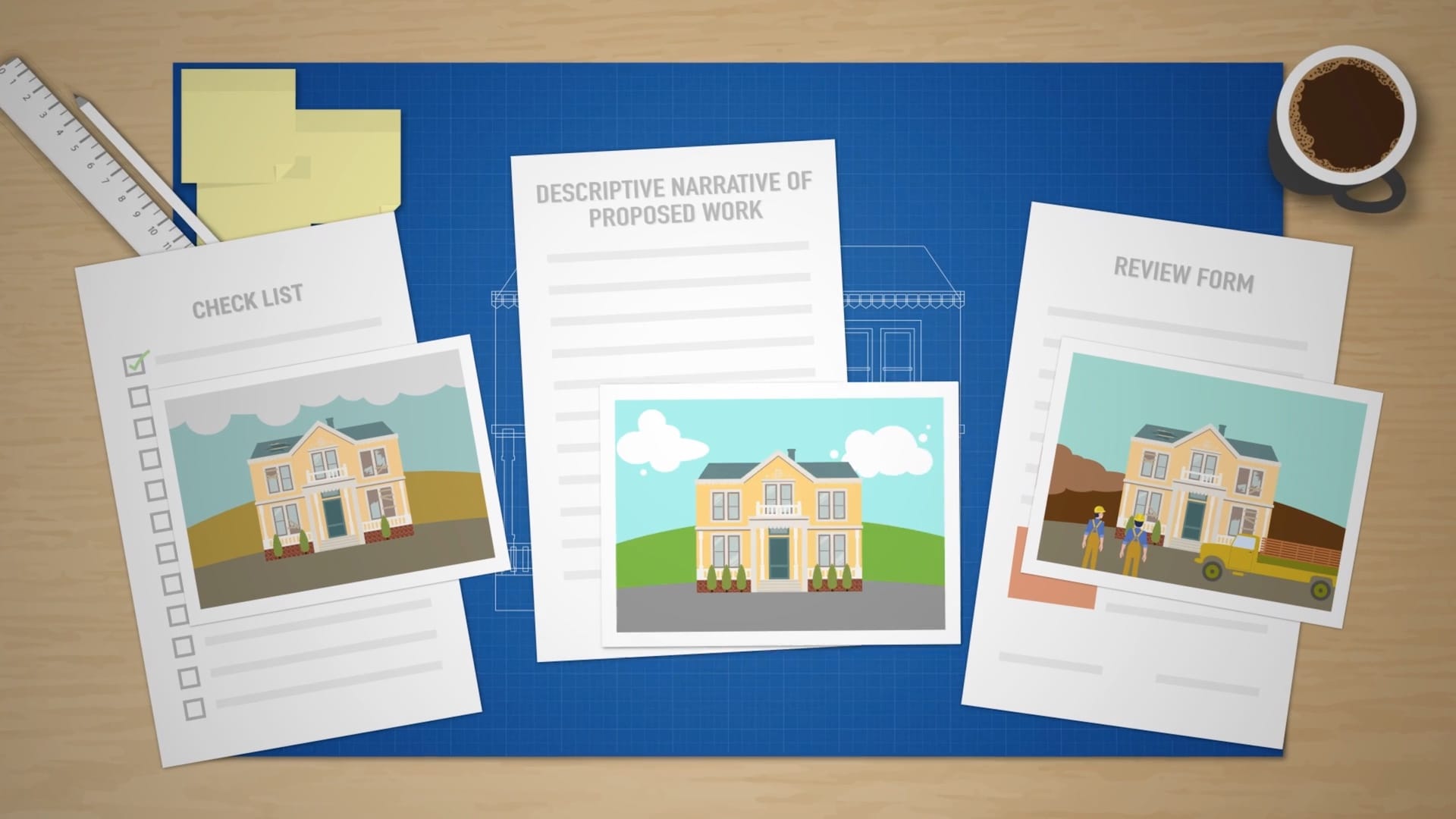
Animation helps explain the invisible, repeat the complex, and make training easier to retain.
Read article
Production
Production
The Amazing Power of Animation in Advertising is a production read about what needs to be planned, captured, protected, and handed to post so the finished piece has a real chance to work.
Read article
Strategy
Strategy
Animation vs Live Action | How to Choose the Right Format for Your Video is a strategy read for teams deciding who the video needs to reach, what it needs to say, where it will live, and what has to be clear before production dollars move.
Read article
Production
Production
The Five Types Of Animation is a production read about what needs to be planned, captured, protected, and handed to post so the finished piece has a real chance to work.
Read article
Animation
Animation
How Unlocking the Potential of Animation Marketing Videos can make complex ideas clearer, more memorable, and easier for the audience to follow.
Read article
Production
Production
The Importance Of Culture In TV Commercials is a production read about what needs to be planned, captured, protected, and handed to post so the finished piece has a real chance to work.
Read articleKeep Exploring
Related services, examples, and deeper reads add context around the creative choices, production decisions, and tradeoffs behind this topic.
Services
These service paths show where the production, post, animation, or package conversation usually goes next.
Service
3D Character Animation from ECG Productions adds stylized movement, visual personality, and memorable detail to the story.
Open pageService
Particle Effect Animation from ECG Productions adds stylized movement, visual personality, and memorable detail to the story.
Open pageService
Photo Animation from ECG Productions adds stylized movement, visual personality, and memorable detail to the story.
Open pageService
Stop Motion Animation from ECG Productions adds stylized movement, visual personality, and memorable detail to the story.
Open pageWork
These examples show what the service, article, or category can look like in finished work.
2D and 3D Animation
Arby’s | Arby’s Foundation Impact shows how designed motion can make an idea clearer, more memorable, and easier to follow. It helps teams compare script clarity, st...
Open pageBranded Content
Baby Tate, Symba, and more | Hello My Name Is... Episode 4 is story-led brand work, which means the finished piece has to show more than polish. The important read i...
Open pageBranded Content
Eric Bellinger, Jane Handcock, and more: Hello My Name Is | Episode 3 is story-led brand work, which means the finished piece has to show more than polish. The impor...
Open pageRelated articles
These pieces add context around process, budget, creative choices, common mistakes, and what to ask next.
Blog
An ECG field note on Gigabit Speed: 4 Huge Reasons That It's A Faster Option, with practical production context for the choices that shape what the audience sees and...
Open pageAnimation
How Tsunami Tuna Motion Capture can make complex ideas clearer, more memorable, and easier for the audience to follow.
Open pageAnimation
How Going Deep - Art Techniques Used to Show Depth can make complex ideas clearer, more memorable, and easier for the audience to follow.
Open pageAnimation
How Motion Tracking in More Ways Than One can make complex ideas clearer, more memorable, and easier for the audience to follow.
Open pageNext step
When this starts to sound like your situation, bring ECG the goal and the constraints.
Share This Article
Share the article, project, or service page with a teammate, client, producer, or stakeholder who needs the context before the next decision.