Learn how to create a recruitment video that connects with your audience, clarifies your message, and delivers results—using lessons from Kimberly-Clark’s Neenah, WI video.
Help readers decide how to plan and produce a recruitment video that effectively reaches and engages their target candidates.
Start With a Clear Audience and Purpose
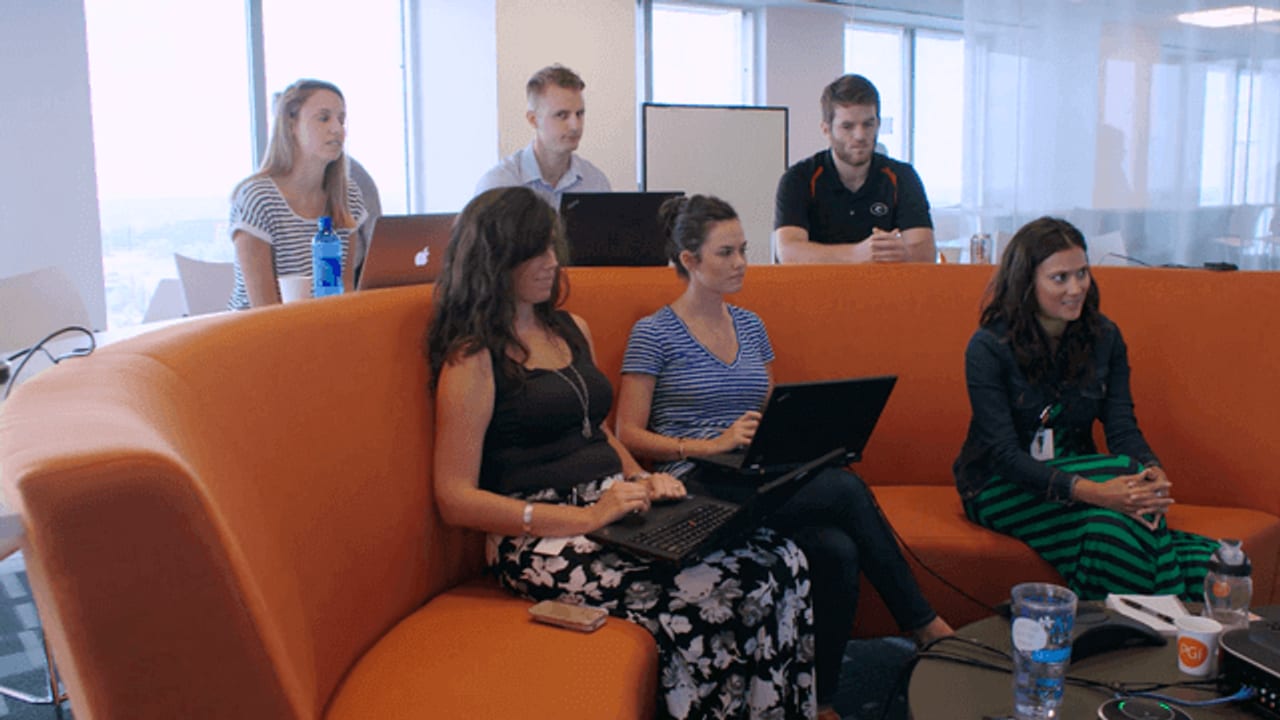
The first step in planning a recruitment video is understanding exactly who needs to watch it and what you want them to feel or do afterward. Kimberly-Clark’s Neenah, WI video zeroed in on local talent considering their next career move, highlighting the company culture, facilities, and community benefits. Defining your target audience shapes every production decision—from interview questions to location choices and pacing. Without this clarity, your video risks being generic or missing the mark.
Turn Your Idea Into a Concrete Production Plan
A great recruitment video idea becomes valuable only when it connects to a real viewer, a clear deliverable, a deadline, and a review process. For Kimberly-Clark, that meant scripting interviews and B-roll that showcased the work environment and town features, then scheduling shoots in Neenah and Appleton, WI. Pre-production planning should include who approves the video, where it will be published, and what success looks like. This ensures the production team can deliver a focused, polished final product on time.
Choose the Right Gear and Production Style
Kimberly-Clark’s video used a Blackmagic Production Camera 4K for interviews and a Sony FS-7 for B-roll, balancing cinematic quality with practical mobility. Selecting the right camera and style depends on your budget, locations, and the tone you want—whether polished and corporate or authentic and documentary-style. Matching your gear and crew expertise to your story needs helps avoid costly reshoots and post-production fixes.
Edit With Purpose: Storytelling, Pacing, and Branding
Post-production is where your footage becomes a compelling story. Kimberly-Clark’s team used Adobe Premiere Pro for editing and Adobe After Effects for graphics, ensuring consistent branding and smooth transitions. Pay close attention to pacing—too slow loses viewers, too fast can feel rushed. Use interviews to build emotional connection, B-roll to add context, and graphics to reinforce key messages. Plan your review rounds carefully to incorporate feedback without derailing the schedule.
Plan Distribution and Measure Success
A recruitment video isn’t finished when it’s edited; it’s finished when it reaches the right audience and achieves its goal. Kimberly-Clark’s video was designed for use on career pages, social media, and internal communications. Define where your video will live early, so you can tailor format, length, and calls to action accordingly. Set measurable goals—like application rates or engagement metrics—and plan to gather feedback post-launch to inform future productions.
FAQ
What should I focus on during pre-production for a recruitment video?
Focus on defining your target audience, clarifying the video’s purpose, planning your shoot schedule, securing locations and approvals, and outlining the review process. This groundwork ensures your production stays on track and meets your goals.
How do I choose the right style and equipment for my recruitment video?
Consider your brand tone, budget, and locations. For a polished corporate look, high-quality cameras and controlled lighting work well. For authenticity, a documentary style with natural light and handheld cameras can be effective. Align your choices with the story you want to tell.
Where should I distribute my recruitment video for maximum impact?
Use platforms where your target candidates spend time—company career pages, LinkedIn, industry job boards, and social media channels. Tailor video length and format for each platform to maximize engagement and track performance to measure success.
What should a team understand about Kimberly-Clark | Neenah, WI Recruitment Video?
The useful takeaway is how audience, creative direction, production choices, post-production, approvals, and delivery needs shape the final video plan.
Where should this kind of project start?
Start with the goal, audience, deadline, where the finished piece needs to live, and the practical constraints that will affect creative and production decisions.
How can ECG help with the next step?
ECG can help connect the creative idea to production planning, filming, post-production, versioning, and delivery so the finished work fits the channel and the audience.