Explore how strategic production decisions shaped McKesson’s VBR Journey video. Learn practical steps to align animation style, audience focus, and delivery for impactful
Help marketing and production professionals decide how to translate a creative concept into an effective, audience-focused healthcare video.
Turning a Creative Spark into a Clear Production Plan
The McKesson VBR Journey video began with a simple but powerful creative idea: use a classic video game aesthetic to engage healthcare professionals and hospital decision-makers. But a great concept alone doesn’t make a successful video. The real work lies in connecting that inspiration to the audience’s needs, the story’s message, and the practical realities of production. This means defining who exactly needs to care about the video, what they already know, and what new insights the video must deliver. It also means setting clear deadlines, approval workflows, and distribution channels. When these elements come together early, the creative idea becomes a focused production brief that guides every step.
Balancing Style and Substance in Healthcare Animation
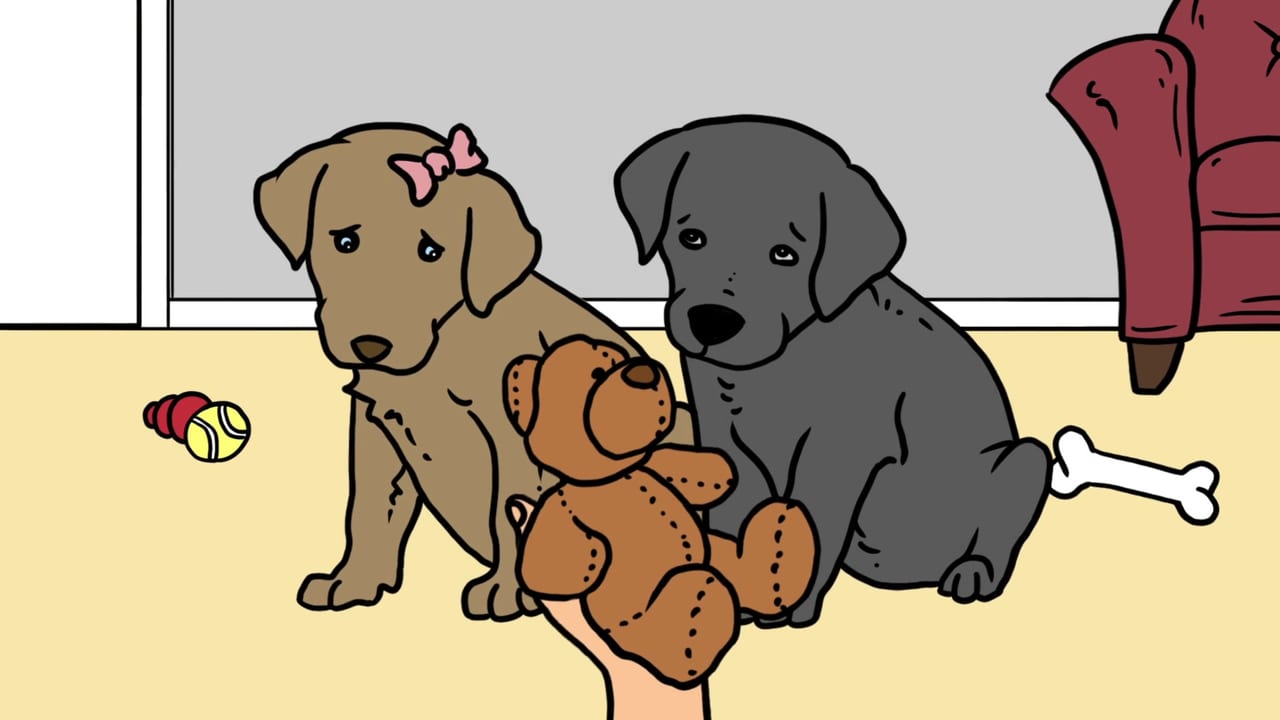
McKesson’s video uses animation inspired by the iconic Pitfall! video game, created with Adobe Photoshop and After Effects. This choice gave the video a nostalgic, approachable feel that stands out in healthcare communications, which often lean toward sterile or overly technical visuals. But style must always serve the story and audience. For healthcare videos, animation can simplify complex concepts and highlight key messages without overwhelming viewers. The production team must carefully pace the animation, align it with the script’s tone, and ensure the sound design supports comprehension and engagement. This balance between visual polish and practical clarity is essential to hold attention and drive action.
Practical Production Steps: From Pre-Production to Delivery
Producing a video like McKesson’s VBR Journey requires disciplined coordination across strategy, pre-production, production, post-production, and delivery. Early strategy sessions define the audience, message, and success metrics. Pre-production includes scripting, storyboarding, and asset gathering, ensuring the animation style matches brand guidelines and viewer expectations. During production and post, editors and animators collaborate closely to refine pacing, color grading, and audio mixing. Finally, delivery formats must be optimized for the platforms where the video will appear—whether internal training portals, conferences, or social media channels. Each stage demands clear communication and review checkpoints to keep the project on track and aligned with goals.
How ECG Supports Smarter Video Production Decisions
ECG Productions helps clients like McKesson translate creative concepts into effective videos by offering tailored services across the production spectrum. Whether you need strategic planning, pre-production consulting, animation expertise, or post-production polish, ECG’s team brings production literacy and practical judgment to every project. We guide clients in naming their audience, clarifying the story’s proof points, setting emotional tone, and defining deliverables and review processes upfront. This approach reduces guesswork and ensures the finished video feels successful—not just finished. Explore ECG’s video production services, review our portfolio, or contact us to start your next project with confidence.
Key Questions to Ask Before Starting Your Healthcare Video
Before diving into production, ask: Who exactly needs to watch this video, and what do they already know? What is the core message or proof the video must deliver? Where will the video be viewed, and on what devices? Who will approve the content, and what criteria will they use? What does success look like beyond just completing the video—engagement, understanding, or behavior change? Answering these questions early shapes a production plan that’s efficient, focused, and impactful. It also helps identify any brand constraints or must-have assets that influence creative and technical decisions.
FAQ
Why choose animation for healthcare videos like McKesson’s VBR Journey?
Animation can simplify complex healthcare topics, making them more accessible and engaging. It also allows creative flexibility to highlight key messages and maintain viewer interest, especially when paired with a distinctive style like the video game-inspired look in McKesson’s video.
How does ECG ensure a video meets both creative and practical goals?
ECG starts by clarifying the audience, message, and success criteria, then aligns creative choices with these goals throughout strategy, pre-production, production, and post. Regular reviews and clear deliverables keep the project on track, balancing visual polish with effective communication.
What should I prepare before contacting ECG for a healthcare video project?
Bring your project goals, target audience details, any existing footage or brand assets, deadlines, and ideas about style or tone. Also, identify who will approve the video and where it will be distributed. This information helps ECG recommend the right services and production plan.
What should a team understand about McKesson | VBR Journey Video?
The useful takeaway is how audience, creative direction, production choices, post-production, approvals, and delivery needs shape the final video plan.
Where should this kind of project start?
Start with the goal, audience, deadline, where the finished piece needs to live, and the practical constraints that will affect creative and production decisions.
How can ECG help with the next step?
ECG can help connect the creative idea to production planning, filming, post-production, versioning, and delivery so the finished work fits the channel and the audience.