ECG Productions
ECG Blog

Production

Design and Animation: Inside the Workflow with Animator Anneli Brown

Discover how animator Anneli Brown blends traditional art with digital animation, the production steps she navigates, and what it takes to deliver polished motion projects.

Updated Jun 28, 20263 min readProduction
Design and Animation: Meet Anneli, the Animator article image showing ECG Productions crew, cameras, or on-set production work.

Production

Production context from the work that happens before, during, and after the shoot.

Production Context

See the planning choices behind a stronger shoot.

A stronger shoot starts with the real production variables: what has to be captured, what can go wrong, what the edit will need, and how the crew keeps the day moving toward the finished piece.

The real value is in what the shoot protects.

Behind-the-scenes and production articles are useful because they reveal planning, crew decisions, location realities, sound, lighting, schedule pressure, and the practical choices that make the final piece possible.

Better production questions start here.

If you are planning a similar shoot, ask what has to be captured, what can go wrong, what the edit needs, who has approval, and what the crew must know before the day starts.

Look for the handoff into post.

Strong production is not finished when the shoot wraps. The footage, notes, sound, continuity, and media workflow need to give post-production enough room to shape the final piece.

Article

Discover how animator Anneli Brown blends traditional art with digital animation, the production steps she navigates, and what it takes to deliver polished motion projects.

This article helps creative producers and marketers understand how design and animation workflows integrate to produce effective, client-ready motion content.

From Painting to Animation: Building a Creative Foundation

Anneli Brown’s journey into animation began with a lifelong passion for painting. While she initially pursued a BFA in Painting at Notre Dame, her path evolved as she explored graphic design and digital tools like Adobe Illustrator, Photoshop, and After Effects. This blend of traditional art and digital skills is crucial in animation production — it informs how concepts are visualized and translated into motion. For producers, recognizing this foundation helps when planning pre-production phases, ensuring the animator’s artistic perspective aligns with the project’s visual goals.

Learning on the Job: The Importance of Hands-On Experience

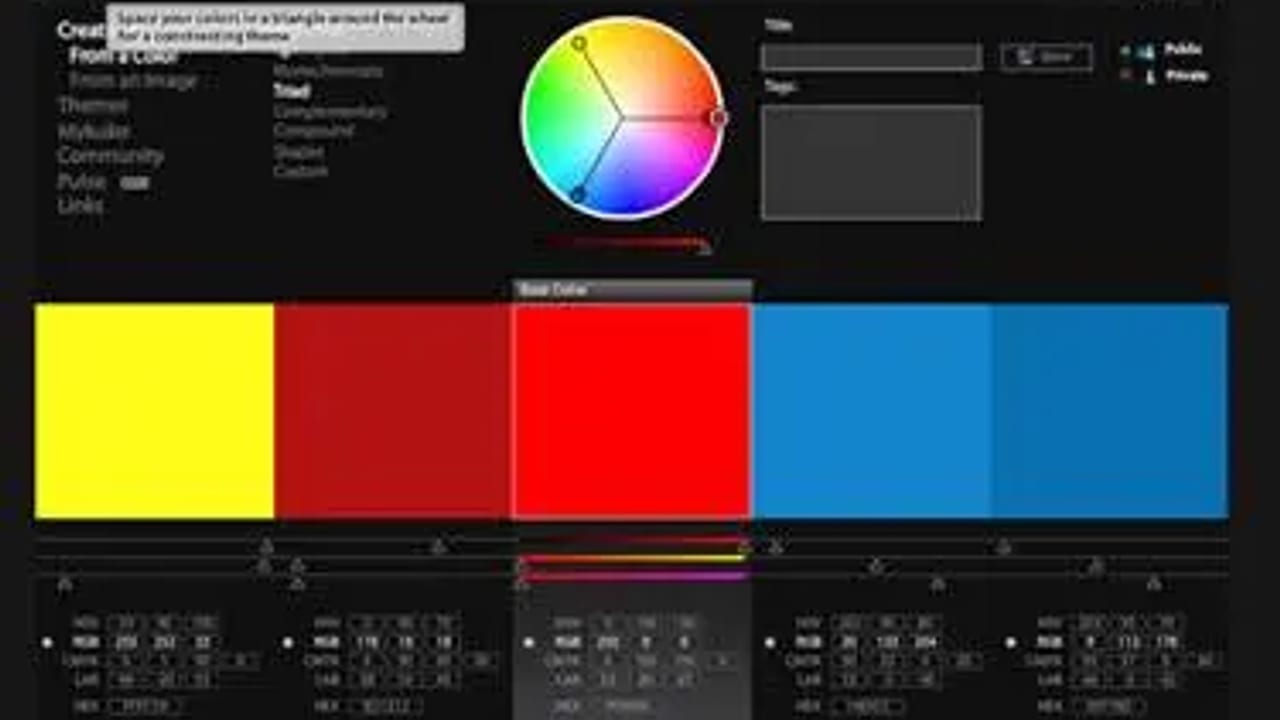
Anneli’s entry into animation was supported by an internship at ECG Productions, where she worked alongside experienced creatives. Early tasks like designing lower thirds for medical clients involved applying color theory and brand guidelines — practical production elements that shape how animation supports messaging. This stage highlights the value of mentorship and incremental responsibility in animation workflows, from initial concept sketches through to final compositing and client approvals.

Taking Ownership: Managing Animation Projects End-to-End

As Anneli gained confidence, she progressed from supporting roles to managing entire animation projects independently. This transition underscores key production milestones: interpreting scripts, storyboarding, animating sequences, integrating audio, and overseeing client feedback cycles. For project managers, understanding these phases helps set realistic timelines and resource allocation, while ensuring quality control at every step before delivery.

Navigating Team Dynamics and Leadership in Animation

Being the sole woman on the Design and Animation team, Anneli faced challenges like imposter syndrome and the pressure to adapt her communication style. However, with supportive leadership and opportunities to step into acting Animation Director roles, she developed project management skills and creative confidence. This experience illustrates how fostering inclusive, trust-based team environments enhances production workflows and drives better creative outcomes.

Why Design and Animation Collaboration Matters for Your Project

Anneli’s story shows that successful animation projects rely on the seamless integration of design sensibilities and technical execution. From color choices that reinforce branding to animation pacing that clarifies messaging, collaboration between designers, animators, producers, and clients is essential. Engaging with a production partner like ECG ensures that these elements are planned, captured, and refined through every production stage — from pre-production strategy to final delivery and distribution.

FAQ

What skills are essential for animators working on branded content?

Animators need a strong foundation in visual design principles like color theory and composition, proficiency with animation software such as After Effects, and an understanding of how motion supports storytelling and brand messaging.

How does ECG support animators during project production?

ECG provides structured mentorship, clear production workflows, and collaborative environments where animators can grow their skills while managing projects from concept through client approval and delivery.

What should clients expect during the animation production process?

Clients can expect a multi-stage process that includes script interpretation, storyboarding, animation drafts, feedback rounds, audio integration, color correction, and final delivery formats tailored to their distribution needs.

What should a team understand about Design and Animation: Meet Anneli, the Animator?

The useful takeaway is how audience, creative direction, production choices, post-production, approvals, and delivery needs shape the final video plan.

Where should this kind of project start?

Start with the goal, audience, deadline, where the finished piece needs to live, and the practical constraints that will affect creative and production decisions.

How can ECG help with the next step?

ECG can help connect the creative idea to production planning, filming, post-production, versioning, and delivery so the finished work fits the channel and the audience.


Related ECG Portfolio Video

See the article idea in finished ECG work.

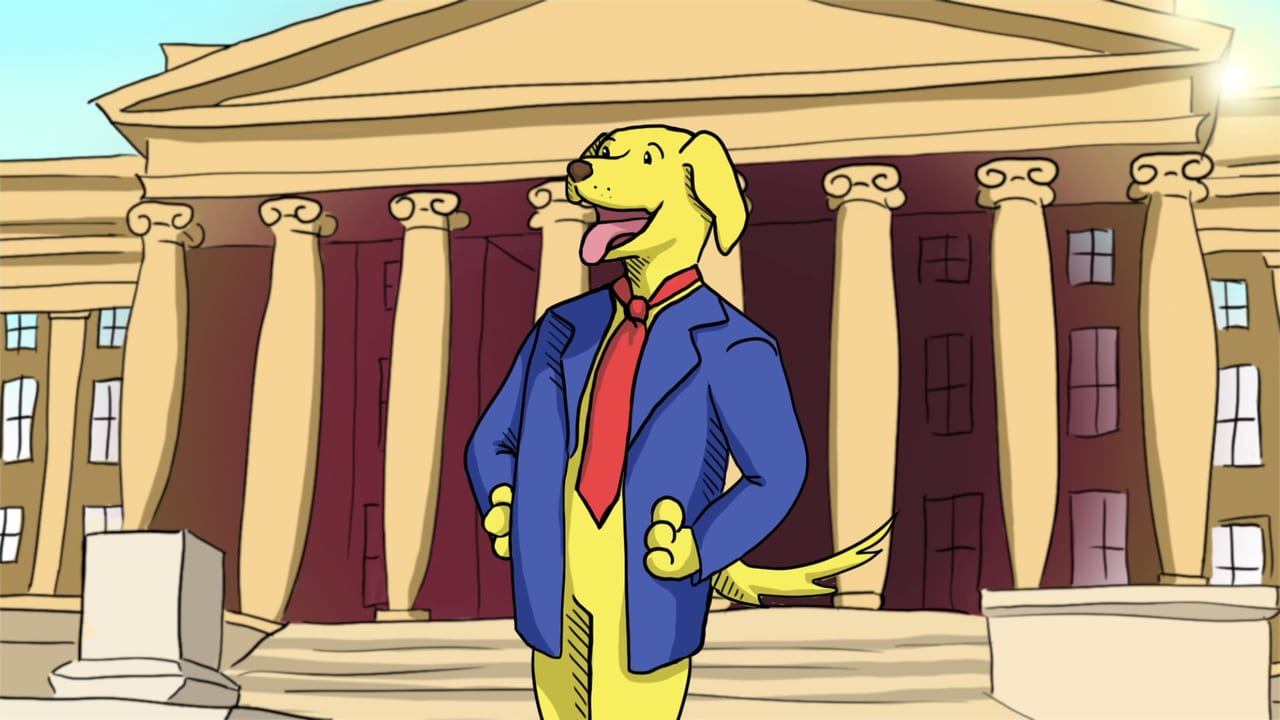
Use Zynga Poker | The Best Tips & Tricks Video Series as an ECG-produced reference for Design and Animation: Inside the Workflow with Animator Anneli Brown. Compare the audience, tone, distribution plan, and production choices before turning the article into a creative brief.

VimeoAnimated Tutorial SeriesRelated 2d 3d Animation workRelated Animation Motion Graphics work
Open the project

Animated tutorial

Zynga Poker | The Best Tips & Tricks Video Series

A five-video Zynga Poker tips and tricks tutorial series, using character-led animation, game art, sound, and editorial pacing to make poker mechanics easier to follow.

Visual Context

Connect the article to the kind of work people can actually picture.

Articles perform better when readers can see what the thinking points toward. This visual break connects the topic to ECG production, post-production, real examples, and the next practical decision instead of leaving the page as a long read with no visual rhythm.

See related work

Article FAQ

Practical answers for the production decision.

These answers add practical context for the decisions that usually sit behind production work: scope, timing, creative direction, production approach, and what the finished piece needs to accomplish.

What skills are essential for animators working on branded content?

Animators need a strong foundation in visual design principles like color theory and composition, proficiency with animation software such as After Effects, and an understanding of how motion supports storytelling and brand messaging.

How does ECG support animators during project production?

ECG provides structured mentorship, clear production workflows, and collaborative environments where animators can grow their skills while managing projects from concept through client approval and delivery.

What should clients expect during the animation production process?

Clients can expect a multi-stage process that includes script interpretation, storyboarding, animation drafts, feedback rounds, audio integration, color correction, and final delivery formats tailored to their distribution needs.

What should a team understand about Design and Animation: Meet Anneli, the Animator?

The useful takeaway is how audience, creative direction, production choices, post-production, approvals, and delivery needs shape the final video plan.

Where should this kind of project start?

Start with the goal, audience, deadline, where the finished piece needs to live, and the practical constraints that will affect creative and production decisions.

How can ECG help with the next step?

ECG can help connect the creative idea to production planning, filming, post-production, versioning, and delivery so the finished work fits the channel and the audience.

Next Step

Connect the article to ECG services and work.

When an article sounds like your project, compare the relevant service path and nearby work before you make a production decision.

Keep Exploring

More ECG pages related to Design and Animation: Inside the Workflow with Animator Anneli Brown.

Related services, examples, and deeper reads add context around the creative choices, production decisions, and tradeoffs behind this topic.

Next step

Ready to talk through the project?

When this starts to sound like your situation, bring ECG the goal and the constraints.

Share This Article

Send this read to the team before the next production call.

Share the article, project, or service page with a teammate, client, producer, or stakeholder who needs the context before the next decision.