Explore how ECG Productions crafted the intense, flavorful Catfish Po’ Boy recipe video for James Patterson’s The Chef, with practical tips on production choices, marketing
This article helps marketing and production professionals understand how to plan and execute a recipe video that balances storytelling intensity with brand promotion.
How Production Choices Shape a Recipe Video’s Impact
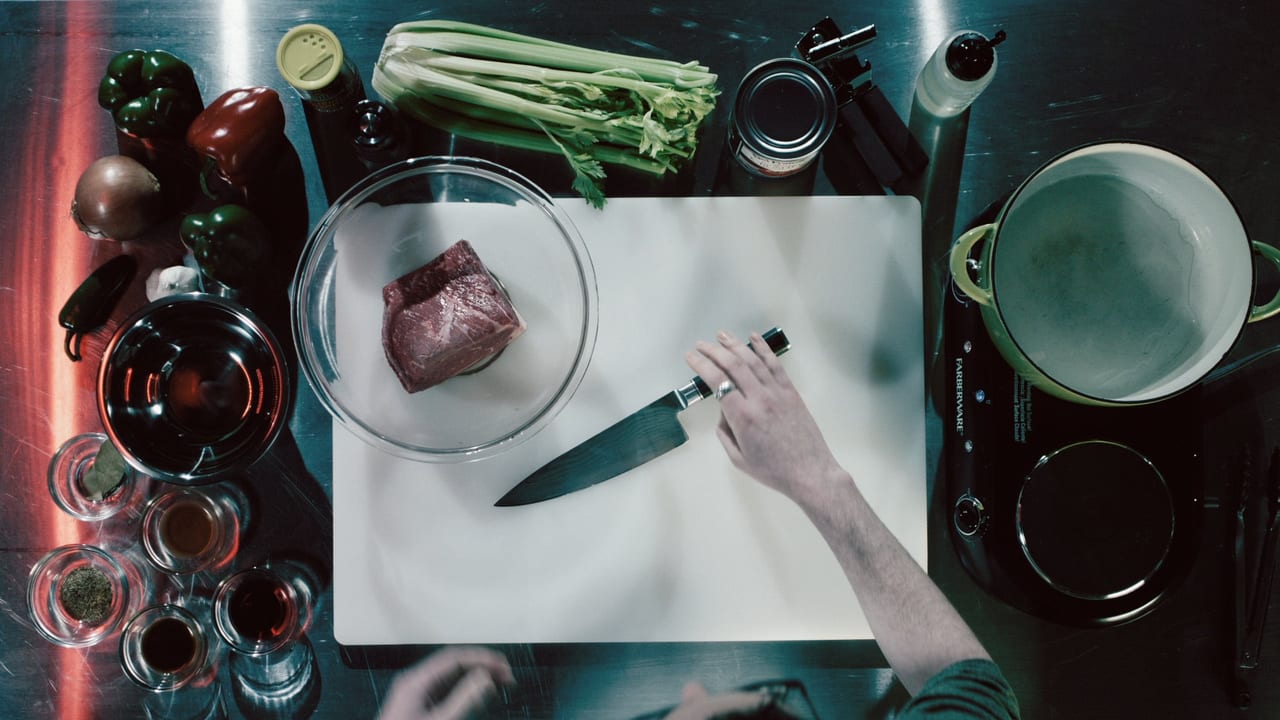
When producing a recipe video like James Patterson’s The Chef - Catfish Po’ Boy, every production choice—from lighting to sound design—serves the story and brand. Director of Photography Emily Payton used red gels to create a moody, intense atmosphere that mirrors the thriller’s tone, making the cooking process feel suspenseful rather than routine. This kind of deliberate visual styling elevates a simple dish into a compelling narrative moment, showing how production design influences audience engagement.
Why Marketing Videos Need a Clear Strategy Beyond the Final Cut
A recipe video isn’t just a finished file; it’s a strategic asset that must earn attention quickly. For The Chef video, the team focused on connecting the audience to the story and brand within seconds. This means planning the message, pacing, and call-to-action early. The video’s success depends on how well it fits into the broader marketing funnel—whether it’s for social media, paid ads, or sales outreach—and how it drives viewers to the next step.
Planning Multiple Versions Before the Shoot Saves Time and Budget
Most campaigns need various versions of a video: hero edits, shorter cutdowns, vertical crops, captioned versions, and thumbnails. Planning these deliverables before production starts ensures the shoot captures all necessary footage and angles, avoiding costly reshoots or edits later. For James Patterson’s Catfish Po’ Boy, anticipating these needs helped the team deliver tailored assets for different platforms and audience touchpoints efficiently.
Post-Production Sound Design Elevates the Viewer Experience
Sound is often underestimated in recipe videos, but it’s crucial for immersion. Joe DiCosola’s foley work on the catfish hitting the stainless steel table added a tactile, almost visceral layer that heightens tension and engagement. Thoughtful audio mixing can transform simple cooking sounds into memorable sensory cues that reinforce the video’s mood and storytelling.
Starting Your Project with Clear Goals and Audience Understanding
Before production begins, clarify who needs to care about the video, what they already know, and what the video must prove. Define where the video will be watched, who approves it, and what success looks like beyond just finishing the edit. Sharing these details with your production partner enables a tailored plan that aligns creative, technical, and strategic elements from pre-production through delivery.
FAQ
What makes a recipe video stand out in a crowded market?
A recipe video stands out when it combines strong storytelling, purposeful production design, and a clear marketing strategy that connects with the target audience quickly and authentically.
How can I plan for multiple video versions without increasing costs significantly?
Planning all required versions—like cutdowns, vertical formats, and captioned edits—before the shoot lets your team capture all necessary footage efficiently, reducing the need for reshoots and streamlining post-production.
Why is sound design important in food and recipe videos?
Sound design adds depth and sensory engagement, turning simple cooking noises into immersive experiences that enhance the mood, highlight textures, and make the video more memorable.
What should a team understand about James Patterson | The Chef - Recipe Video: Catfish Po’ Boy?
The useful takeaway is how audience, creative direction, production choices, post-production, approvals, and delivery needs shape the final video plan.
Where should this kind of project start?
Start with the goal, audience, deadline, where the finished piece needs to live, and the practical constraints that will affect creative and production decisions.
How can ECG help with the next step?
ECG can help connect the creative idea to production planning, filming, post-production, versioning, and delivery so the finished work fits the channel and the audience.